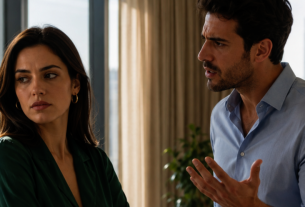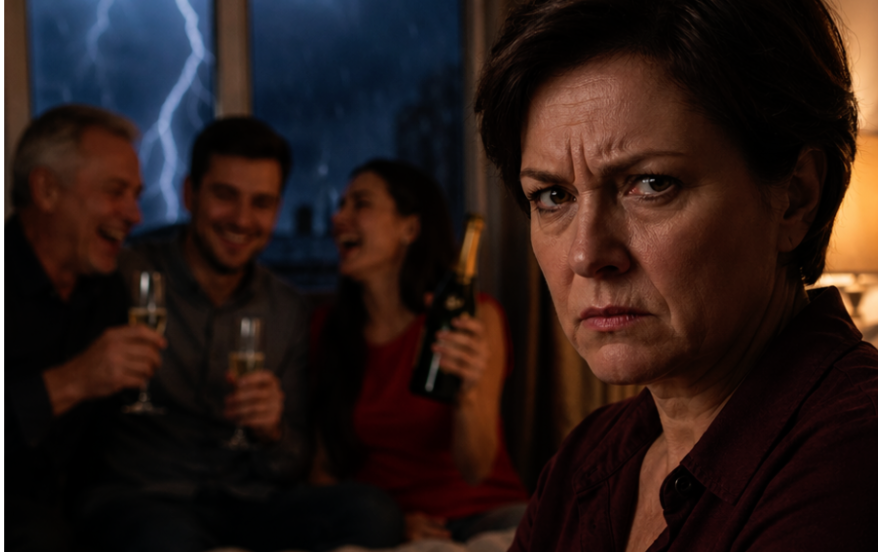
My husband and the children “gave” me a divorce for my 50th birthday. But karma caught up with them before they even had time to celebrate.
The archive room smelled of old paper. I was looking for the contract with the printing house when Kirill’s voice sounded behind the door.
“Tomorrow she’ll sign it. Everything is ready.”
I froze, clutching the folder to my chest.
“Dad, what if she refuses?” That was Rita.
“She won’t refuse. Ella is already waiting, the house is in my name, and we’ll quietly take her share.”
That was Anton. My stepson, the boy I had taught how to hold a spoon.
“She bossed us around for twenty-five years,” Rita snorted. “It’s time for her to retire, don’t you think?”
“The five-year non-compete agreement is mandatory,” Kirill continued. “So she doesn’t get any ideas about opening her own business. Let her sit at home and knit socks.”
They walked past, laughing. I didn’t breathe. The wall chilled my back, and my fingers went numb around the folder.
Then I opened the safe, took out a flash drive, and copied everything: financial reports for the last three years, the author database, the team’s contacts. Kirill had been understating the profits. I had always known it; I had simply kept silent. Not anymore.
In the morning, I went down to the living room. The table was set, candles were burning, and Kirill and the children were sitting there solemnly. In front of them lay a white folder tied with a red ribbon.
“Happy birthday, Inga,” Kirill said with a broad smile.
I sat down across from them. I folded my hands in my lap so they wouldn’t tremble.
“Sit down, Mom,” Rita said, nodding toward the chair. “We have a gift for you.”
Kirill pushed the folder toward me. I untied the ribbon. A divorce petition, an agreement to terminate the marriage, and a five-year non-compete agreement. Everything was signed. Only my signature was missing.
“What is this?” I asked, lifting my eyes.
“You’ve worked like a dog for so many years. It’s time for you to rest,” Kirill said softly, almost tenderly. “Ella Polonskaya will come in as a partner. We need young blood. We’ll pay you compensation, enough for an apartment. The house stays with me; it’s registered in my name.”
Anton placed a pen in front of me—a cheap blue one with a chewed cap.
“Come on, Inga. No scenes. You’re an adult.”
Rita was holding her phone, the camera pointed at me.
“Put that away,” I said, looking at her.
“No. This is for the record, so you won’t claim later that you were forced.”
I took the pen. I signed three pages without reading them. The letters came out even, without a single blot.
“Thank you for your honesty,” I said, standing up and taking my bag. “I won’t get in your way anymore.”
“Inga, where are you going?” Kirill rose to his feet.
“That’s no longer any of your business.”
I walked out, got into my Skoda, and drove away. In the mirror, I saw Rita waving her phone around and laughing.
A motel on the outskirts. A quiet room. I turned on my laptop, opened my contact list, and dialed Vera Samsonova, the former accountant.
“Vera, it’s Inga Larina. I need your help.”
“Inga? Seriously? After Kirill threw me out?”
“He threw me out too. Yesterday. On my birthday. I have the financial reports for the last three years. Underreported profits, double bookkeeping. Everything.”
She was silent for a moment. Then she laughed—briefly and viciously…
Continuation just below in the first comment.
The archive room smelled of old paper. I was looking for the contract with the printing house when Kirill’s voice sounded behind the door.
“Tomorrow she’ll sign. Everything is ready.”
I froze, clutching the folder to my chest.
“Dad, what if she refuses?” Rita asked.
“She won’t. Ella is already waiting, the house is in my name, and we’ll quietly take her share. The old-school hag won’t figure anything out.”
That was Anton. My stepson. The boy I had taught how to hold a spoon.
“She bossed us around for twenty-five years,” Rita snorted. “Time for retirement, right?”
“The five-year non-compete agreement is mandatory,” Kirill continued. “So she doesn’t get any ideas about opening her own business. Let her sit at home and knit socks.”
They walked past, laughing. I didn’t breathe. The wall chilled my back, and my fingers went numb around the folder.
Then I opened the safe, took out a flash drive, and copied everything: financial reports for the last three years, the author database, the team’s contacts. Kirill had been understating profits. I had always known. I had simply kept quiet.
Not anymore.
In the morning, I went down to the living room. The table was set, candles were burning, and Kirill and the children were sitting there solemnly. In front of them lay a white folder tied with a red ribbon.
“Happy birthday, Inga,” Kirill said with a broad smile.
I sat across from them. I folded my hands in my lap so they wouldn’t tremble.
“Sit down, Mom,” Rita said, nodding toward the chair. “We have a present for you.”
Kirill pushed the folder toward me. I untied the ribbon. A divorce petition, an agreement terminating the marriage, and a five-year non-compete agreement. Everything was signed. Only my signature was missing.
“What is this?” I raised my eyes.
“You’ve been working like a horse for so many years. It’s time for you to rest,” Kirill said softly, almost tenderly. “Ella Polonskaya will come in as a partner. We need young blood. We’ll pay you compensation. It’ll be enough for an apartment. The house stays with me. It’s registered in my name.”
Anton placed a pen in front of me — cheap, blue, with a chewed cap.
“Let’s not make a scene, Inga. You’re an adult.”
Rita was holding her phone, the camera pointed at me.
“Put that away,” I said, looking at her.
“No. This is for the record, so you don’t claim later that you were forced.”
I took the pen. I signed three pages without reading them. My handwriting was even, not a single blot.
“Thank you for your honesty,” I said, standing up and taking my bag. “I won’t get in your way anymore.”
“Inga, where are you going?” Kirill rose from his seat.
“That is no longer any of your business.”
I walked out, got into my Skoda, and drove away. In the mirror, I saw Rita waving her phone and laughing.
A motel on the outskirts. A quiet room. I turned on my laptop, opened my contact list, and dialed Vera Samsonova, our former accountant.
“Vera, this is Inga Larina. I need your help.”
“Inga? Seriously? After Kirill threw me out?”
“He threw me out too. Yesterday. On my birthday. I have three years of financial reports. Understated profits, double bookkeeping. Everything.”
She was silent for a moment. Then she laughed — shortly, bitterly.
“Send it over. I know who to show it to.”
A week later, the tax inspectorate came to Book Beacon. The accounts were frozen, and an on-site audit began.
Meanwhile, I started calling authors. Not all of them — only the key ones. Grigory Stepanovich wrote historical novels. His books brought in half the profit.
“Grigory Stepanovich, this is Inga. Yes, I’m no longer with Beacon. I’m opening a new division in partnership with Boris Somov. Fair royalties, a professional team. Are you with me?”
“Inga, I’ve worked only with you for twenty years. Of course. When do we sign?”
One after another, the authors withdrew their contracts. Kirill called them, offered new terms, begged. They didn’t pick up.
Then I brought over Lydia, the senior proofreader, Maxim the illustrator, and Oleg from logistics. They all agreed immediately.
“Inga, we were only waiting for you,” Lydia said. “It’s impossible to work with Kirill. He understands nothing about books. He only counts numbers.”
Boris Somov poured me dry red wine and sat across from me in his office.
“Inga, you’re the best editor on the market. I’m glad you’re free.”
“Boris, I’ve brought authors, a team, and a reputation. You give me autonomy and a share. Partners?”
He held out his hand.
“Partners.”
We signed the agreement that same day. Larina Editorial — no pomp, just simple and honest.
The first book came out two weeks later. The print run sold out in three days. Distributors called, demanding more.
And Book Beacon was sinking. Without its team and without its authors, new releases came out full of mistakes, deadlines were missed. Distributors terminated contracts and demanded compensation. Ella Polonskaya, seeing the financial chaos and penalties, disappeared — taking the money Kirill had entrusted to her and vanishing without a trace.
Kirill started calling me. First once a day, then every hour.
I didn’t answer. For a long time.
But one day, I picked up.
“Inga, please, listen to me,” his voice trembled. “I made a mistake. We all made a mistake. Ella ran off, the authors left, the tax office is strangling us. Help me. You have connections. You always knew how to negotiate.”
I was sitting in my new apartment, bright, with large windows. A manuscript lay on the table.
“Kirill, do you remember what you said in the archive room? ‘The old-school hag.’ Do you remember how Rita filmed me on her phone, and Anton said, ‘No scenes’?”
“Inga, I didn’t mean—”
“My husband and children ‘gave’ me a divorce for my fiftieth birthday. But karma caught up with them faster than they managed to celebrate. Those twenty-five years ended in that very second. Now live with it.”
I hung up. Blocked his number.
Book Beacon closed two months later. Kirill sold the house to cover the fines. Anton and Rita were left without jobs and without money. Ella married an investor and did not invite Kirill to the ceremony.
Rita wrote me a long message — full of tears, apologies, and pleas. She wrote that she hadn’t understood what she was doing. That Kirill had promised them mountains of gold. That they were young and foolish.
I read it and deleted it. I didn’t block her — I simply erased it. Let her stay online and wait.
Anton called a month later, asking for a job.
“Anton, I have no positions for people who called me an old hag and filmed my humiliation on camera. Look somewhere else.”
“Inga, I didn’t mean it badly! Dad convinced me!”
“You’re twenty-eight. At that age, people are responsible for their own decisions.”
I hung up.
Larina Editorial took third place in the rankings. Twelve books in six months, four bestsellers. Boris suggested expanding.
I bought an apartment with a view of the river, a new laptop, an armchair, and bookshelves that reached the ceiling. In the evenings, I worked with manuscripts, drank dry red wine, and listened to jazz. No one told me I was used-up material. No one filmed me on camera.
One day, I ran into Kirill on the street. He was walking in an old jacket, hunched over, aged. He looked at me, lowered his eyes, and passed by.
I didn’t call out to him. I didn’t stop. I simply kept walking — toward my own life, the one I had finally stopped building for others.
Another message from Rita appeared on my phone. She had been writing for the third month in a row, every week. I didn’t read them. I swiped the notifications away without looking.
They had wanted me to disappear.
So I disappeared from their world.
Forever.
And appeared in my own.
At last.
For twenty-five years, I thought they were my family.
It turned out I had simply been convenient.
Now I am convenient for myself.
And that is enough.