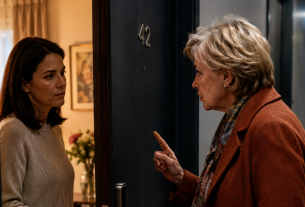
“Your apartment will become ours after the wedding,” her fiancé said. Anya took the documents to a lawyer.
Kostya was talking about a new kitchen and deciding where to put the coffee machine when Anya heard him mention the apartment. He said it casually, as though discussing a grocery delivery: after the wedding, the home would belong to both of them, so they should choose the renovations together. Anya had intended to make those choices together, too. But they had never discussed changing who owned the apartment.
Anya was 33. She lived in Tver and worked as an accountant for a small manufacturing company, earning 86,000 rubles a month. She had no children. She had bought her 48-square-meter, two-room apartment seven years earlier for 2.8 million rubles. She had paid 900,000 from her savings and taken out a mortgage for the remaining 1.9 million. She paid off the loan in six years, before she met Kostya. The purchase agreement, bank statements, and confirmation that the mortgage had been repaid were all in one folder.
Kostya was 35. He maintained equipment in shopping centers and earned about 105,000 rubles a month. He regularly sent 23,000 rubles in child support for his eight-year-old son from a previous marriage. After his divorce, Kostya had rented an apartment for 26,000 rubles a month, but he had spent the past four months living with Anya. They both contributed to groceries and everyday expenses and split the 7,000-ruble utility bill equally. Their wedding was set for two months later, with no large restaurant reception or lengthy guest list.
The fronts of Anya’s kitchen cabinets were worn around the handles, but the cabinets themselves were sturdy. She wanted to replace the countertop, sink, and a few cabinet doors. Kostya suggested ordering an entirely new kitchen, including appliances. A showroom had given them an initial estimate of 390,000 rubles.
That was a lot for Anya. Of her 420,000 rubles in savings, she planned to spend 170,000 on the renovation and 80,000 on her share of the wedding, leaving 170,000 for emergencies. Kostya had promised to contribute 120,000 toward the kitchen, though they had not agreed on a final budget.
The apartment documents had their own folder
Anya asked Kostya to go back to what he had said about ownership. At first, he did not understand what worried her. Wouldn’t they have shared property once they were married? He assumed the apartment would automatically fall into the same category as furniture they bought together. Anya said she had purchased the apartment long before they met and paid for it herself, so she wanted to check how the rules worked.
“You’re about to get married, and you’re already thinking about divorce?” Kostya asked. “I’m going to put money into this place.”
“We haven’t even ordered the kitchen. I want to understand what you’re proposing and on what terms.”
Kostya said he was not proposing any terms. He simply did not want to feel like a guest in his wife’s apartment. He had fixed a cabinet door, replaced a leaking faucet, and set up Anya’s computer. To him, it seemed natural that they were now making a home together. Anya remembered and appreciated everything he had done. She had never asked him to pay rent or forbidden him from rearranging things. But she could not see how installing a new faucet gave him a claim to the apartment.
The next day, Kostya sent her a link to a kitchen showroom. His mother had found a cheaper kitchen for 340,000 rubles, he wrote, and advised them not to delay ordering it. Anya checked what was included. There was no dishwasher, delivery cost extra, and the measurements were only preliminary. She suggested working out the full cost first. She also made an appointment with a lawyer who handled housing and family matters.
After work that evening, she gathered her documents: the purchase agreement, old payment records, proof of ownership, and the bank’s letter confirming the loan had been repaid. Among the papers was a receipt for the first armchair she had bought after moving in, when the rest of her furniture was still at her parents’ home. The receipt was not needed for the appointment, but for some reason she did not want to throw it away.
Her mother called once the folder was ready. When she heard about the lawyer, she urged Anya not to begin married life with suspicions. Kostya seemed dependable to her: he helped carry heavy bags and got along calmly with Anya’s father. In her mother’s view, a man like that did not move into someone else’s apartment just to get his hands on it. Anya explained that she was not trying to judge Kostya’s intentions. She wanted an answer to a specific question about the documents and their future expenses.
Her mother still suggested yielding on small things. Anya agreed that the coffee machine’s location was a small thing, but asked her mother not to say the same about an apartment that had taken years of spare income to pay for. They ended the call without arguing. Later, her mother sent a photo of some tiles she liked, and Anya said she would look at a sample in the store.
The lawyer asked when the mortgage had been paid off
The consultation cost 4,000 rubles. The lawyer, Marina Sergeyevna, began by reviewing the documents. She asked whether Anya had bought the apartment before marriage, when she had finished paying the mortgage, and whether Kostya had invested anything in the property. Anya gave her the dates from her statements and mentioned the faucet separately. Kostya had contributed nothing toward buying the apartment or repaying the loan, and Anya was the only owner named in the documents.
Marina Sergeyevna opened Article 36 of the Russian Family Code and explained that, as a general rule, property owned by one spouse before marriage remains that person’s property. Getting married does not, by itself, turn such an apartment into jointly owned property. In Anya’s case, both the purchase and the mortgage repayment had taken place before the marriage. Their plan to replace the kitchen had not even become a paid order yet.
But the lawyer did not stop there. She showed Anya Article 37: under certain circumstances, separately owned property can be recognized as joint property if investments made during the marriage significantly increase its value. The nature of the work, the source of the money, and the evidence would matter. Buying furniture or helping around the home would not, on its own, automatically transfer half the apartment. Marina Sergeyevna would not promise how a hypothetical dispute might turn out.
Anya asked how they should arrange a renovation if they both wanted to use the kitchen but the apartment remained hers. The lawyer suggested separating appliance purchases from work done to the property, agreeing on who would pay how much, and keeping the records. If the couple wanted different property arrangements, they could discuss a marital agreement and its terms with a notary. She did not recommend signing one merely to prove their love.
Anya did not ask the lawyer to draft anything. Instead, she wrote down the questions they still needed to settle: whether a major renovation was necessary now, where the remaining money would come from, and what Kostya expected in return for his contribution. They did not need to predict a divorce. They needed an agreement before they paid a contractor.
On her way home, Anya stopped at the kitchen showroom. A salesperson said she could prepare an exact quote for replacing the countertop and cabinet fronts without buying new cabinets after taking measurements. The initial estimate was 148,000 rubles for materials and labor. Anya set aside another 22,000 for the sink, faucet, and delivery. That fit her 170,000-ruble budget, although she had not placed an order.
Kostya greeted her by asking what the lawyer had said about the apartment. Without any note of triumph, Anya told him it would not automatically become joint property. She also explained the exception concerning substantial investments, so he would hear the whole answer rather than only the part that suited her. Then she put the two kitchen estimates beside each other and asked to discuss what they actually planned to buy.
Kostya listened closely until she mentioned separate ownership. Then he grew irritated. Lawyers made money from people’s fears, he said; she could simply have asked whether he intended to sue her. When Anya reminded him that the question had come from his own words, he admitted he had been wrong. But he added that he still disliked living somewhere he could be asked to leave at any moment.
The kitchen budget contained money they did not yet have
Anya had previously taken his reaction as resentment of her caution. Now she asked what he was afraid of. After his divorce, Kostya had spent months moving between rented apartments, paying deposits, and keeping his tools in his car. He had not wanted to stay in his former wife’s home or argue over belongings. At Anya’s place, his work bag finally had a permanent spot. He had grown used to thinking he would not have to pack everything in a single evening again.
She understood why having a home mattered to him. But he was not offering to buy a share of the apartment for a 120,000-ruble contribution to the kitchen, and he had never proposed such an exchange. Anya said she was not planning to end their relationship or put his bags outside the door. Still, she would not give him a share of the apartment simply to ease his anxiety. For the first time, he asked directly what he would get for paying toward the renovation.
“If you’re expecting a share of the apartment, we shouldn’t call this buying a kitchen,” Anya replied. “I’m not willing to make that agreement.”
Kostya shuffled through the estimates for a while. Then he admitted he did not yet have the full 120,000 rubles he had promised. He had 70,000 in his account and expected to get the other 50,000 from his next few paychecks. The wedding would use up almost all his savings. He had looked at a consumer loan offer but had not applied because he wanted to know when the kitchen would be installed first.
Anya removed the money he had not yet earned from their budget. The 390,000-ruble kitchen was beyond their current means unless they reduced their emergency savings or took on new debt. Even the supposedly cheaper 340,000-ruble option had unanswered questions and additional costs. She suggested returning to her original 170,000-ruble plan, which she could pay for herself. Kostya could buy the coffee machine if he still wanted it and found one he could afford.
He said that meant everything in the kitchen would belong to Anya again. She asked whether he wanted new furniture or a say in what happened to the apartment. Kostya could not answer immediately. Their evening ended earlier than usual: he went for a walk, while Anya put the estimates into separate files and did not confirm the order with the salesperson.
The next morning, Kostya suggested that they go to another legal consultation together. Anya agreed, asking only that they not look for someone who would promise a convenient answer without examining the documents. They made an appointment with the same lawyer. The meeting was five days away. In the meantime, they spoke cautiously about the wedding. Neither canceled the booking, but they spent less time discussing flowers and the photographer.
With Anya present, Kostya called his mother and corrected what he had told her before. The apartment would not become joint property merely because they married, and they had not decided to pay for a costly renovation. His mother asked why he would marry a woman who did not trust him. Kostya asked her not to speak about Anya that way and said he was the one who had misunderstood the rule. To Anya, that conversation meant more than another promise that he would never claim the apartment.
They confirmed the order after the measurements
At the second consultation, Kostya asked about purchases they might make together in the future and what would happen to appliances he owned. The lawyer explained possible agreements without promising that any of them could prevent every dispute. They did not try to map out their entire marriage that day. They agreed to discuss major expenses in advance and to check the terms and paperwork separately before any work that could significantly change the apartment.
They postponed the major renovation. After taking measurements, the showroom gave Anya a final quote of 148,000 rubles for the cabinet fronts, countertop, and labor. The sink and other expenses used the remaining 22,000. She paid from her own account and kept the contract. Kostya chose a coffee machine for 27,000 rubles, bought it with his own money before the wedding, and filed the receipt with the documents for his appliances.
Anya’s mother asked whether they would have to sign a document for every cup now. Anya said they already had cups and invited her parents to come see a countertop sample. Kostya did not join in the argument, though he once would probably have played along with the joke. Instead, he took out a tape measure and checked with Anya’s father whether the box containing the sink would fit in the elevator.
The wedding took place as planned. They invited their closest friends and family to a café, picked up Kostya’s son after the ceremony, and took a few photographs together. The apartment documents remained in Anya’s folder. They signed no special agreement transferring a share to Kostya. They decided to talk about a future home when they had a real plan to buy one, rather than tying the question to kitchen cabinets.
The kitchen arrived three weeks after the wedding. While the installer fitted the countertop, Kostya arranged his coffee supplies on the living room table. Anya asked him to leave room for the dish rack on the right. He moved the grinder and checked the length of its cord. That evening, they put the dishes back in the cabinets together, and Kostya placed the coffee machine’s box on the pantry’s top shelf.
In the free novel We’ve Been Divorced Before, Yulia and Pasha find themselves living under the same roof again six years after their divorce. Behind them are fifteen years of marriage; ahead lie the sale of their house and their nineteen-year-old daughter’s wedding. The novel is being published chapter by chapter on Litnet.