“You see, we’re currently reviewing our staffing schedule. Optimization. The certification requirements have changed, you know,” they told her as she was let go after 38 years at the kindergarten.
Her pockets were never empty. Not with money—but with things like a button, a hair tie, a stub of blue crayon, a chestnut, a candy wrapper folded into a tiny boat. The kids all knew: if you felt sad, just walk up and stand quietly beside her. Her hand would reach into her pocket and pull out something special.
Iryna Serafymivna Haievska spent thirty-eight years working in the kindergarten. First in the nursery group, then the middle group, and for the last twelve years—the “Bees.” Long ago, a little girl named Olenka couldn’t pronounce “Serafymivna,” so she came up with her own name for her: “Fymivna.” It stuck for good. Now, even the parents—who once attended the kindergarten themselves—bring their little ones and call her “Fymivna” too, awkward but affectionately, like a memory from childhood.
She never had children of her own. That’s just how life happened: first there was no one to share it with, then there was no time, and finally, there was no point in starting. She never talked about it. But over the years, she had one hundred and ninety other people’s kids, and she knew every one by name.
* * *
The new manager’s name was Vadym Ihorovych. Young, about thirty-five, wearing a sweater over his shirt. On his desk sat a mug with “Best Manager” written on it—probably a gift from a former job.
“Iryna Serafymivna, please sit.”
She sat down. He shuffled papers from one side of the desk to the other, then back again.
“You see, we’re currently reviewing our staffing schedule. Optimization. The certification requirements have changed, you know.”
“I know.”
“And there’s a need for young specialists who are skilled in modern methods. It’s not my personal decision, it’s overall policy.”
Fymivna looked at the mug. There was still a little tea left, with a wilted mint leaf floating on the surface.
“Vadym Ihorovych, just say it plainly.”
He finally looked up at her.
“At the end of the month, you’re being let go. Two weeks’ notice.”
“I’m sixty-three.”
“It’s not about age,” he said a bit too quickly.
They were both silent. They both understood everything.
“And who will be with the ‘Bees?’ Tymofyik has a milk allergy, it’s not written anywhere; his mom told me in person. And Daryna won’t fall asleep without her pillow from home.”
“We’ll make sure to pass all the information along,” Vadym Ihorovych replied, burying himself in his papers again.
* * *
Her friend Nina spent two evenings fired up about the situation and finally dragged her to a legal consultation—she said there were violations, years of service, reasons to fight. The young guy in the tiny office above the pharmacy listened carefully, wrote some things down, and said there was a chance but it would take a long time and more nerves than it was worth.
Fymivna thanked him and decided she wouldn’t bother.
Sue the kindergarten she had brought flowers to every first of September for thirty-eight years? The building where she herself, with her own hands, painted the veranda because the repairs had been postponed for a third year in a row?
“Nina, I taught kids there to share,” she said on the phone. “How can I go fight over things now?”
* * *
Her last day was a Friday.
The children drew her a card. Mostly Daryna did the drawing, and the rest each made a dot on it, proud as could be. On the card was a sun, a tree, and something blue that was supposed to be Fymivna.
She packed her things into a shopping bag: a tin of buttons, a felt hedgehog—whose nose she sewed back on every year, scissors with green handles. Thirty-eight years—one bag. Not too heavy.
As she reached the door, Matviyko caught up to her.
“Fymivna, will you come tomorrow?”
“No, sweetheart. Tomorrow is Saturday. You’ll be home.”
“And the day after?”
She squatted down—her knees hated it now, but she did it anyway.
“The day after, a new lady will come to you. She’s nice. You’ll be friends.”
“I don’t want anyone else.”
“Just try. You know how it goes? You think you don’t want something, and then it turns out you really do.”
He thought about it for three seconds and gave his four-year-old answer:
“No.”
She walked home, all four bus stops, and her bag with the buttons bumped against her leg.
* * *
The hardest part started after.
Her body woke up at 6:40, just out of habit—thirty-eight years in a row. She’d lie there staring at the ceiling, where the upstairs neighbors’ leak once stained it, wondering who she should boil the kettle for now.
The apartment was deafeningly quiet. She realized she didn’t know how to do anything in the silence. Turned the radio on—it annoyed her. Turned it off—that was worse.
A week later, the neighbors started renovating. The sound of the power drill at nine in the morning hit the wall, and for the first time in her life, Fymivna was glad; it gave her a reason to get dressed and go out.
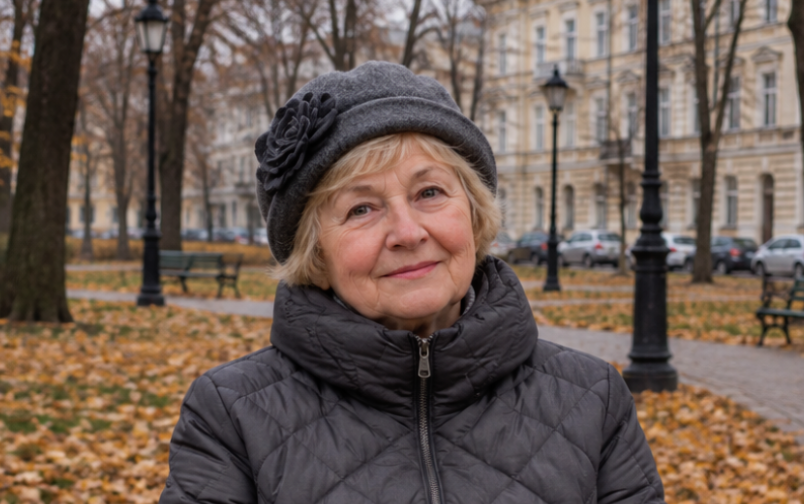
She started visiting the small park two blocks away. Not to the kindergarten—she always made sure to avoid that street. Just to the park, to the birch trees and the green benches with wrought-iron sides. She sat in her gray coat and the felt hat her mother once gave her, and watched the leaves stick to the frozen ground.
That November was dry and gray. The grass had faded to hay color, and still there was no snow.
* * *
She saw them on a Tuesday…
Her pockets were never empty. Not of money, but of little treasures— a button, a hair tie, a stub of blue pencil, a chestnut, a candy wrapper folded into a tiny boat. The children knew the rule: if you felt sad, you just had to stand silently next to her. Her hand would slip into her pocket and pull something out for you.
Iryna Serafymivna Hayevska worked at the kindergarten for thirty-eight years. She started in the infant group, then the middle group, and for the last twelve years— with the «Bees». Long ago, little Olenka struggled with the long «Se-ra-fy-my-vna» and came up with her own version: «Fymivna». It stuck for good. Now even the parents, bringing their own children here, called her «Fymivna»— shyly and warmly, just like in their own childhoods.
She never had children of her own. That’s just how life went: first there was no one to have them with, then there was never time, and then it was simply too late to even start. She never talked about it. Over the years, she had looked after a hundred and ninety other people’s children and could recall each one by name.
* * *
The new director was named Vadym Ihorovych. He was young, about thirty-five, wearing a sweater over his shirt. On his desk was a mug with the words «Best Boss»— most likely a gift from his previous job.
«Iryna Serafymivna, please have a seat.»
She sat down. He moved his papers from one side of the desk to the other, then back again.
«You understand, we’re reviewing our staffing right now. Optimization. The requirements for certification have changed, as you know.»
«I know.»
«And we need young specialists who are trained in modern methods. This isn’t my personal decision, it’s a general policy.»
Fymivna looked at the mug. There was still a little tea left in it, with a wilted mint leaf floating on the surface.
«Vadym Ihorovych, please just say it straight.»
He finally looked up.
«You’ll be let go at the end of the month. You’ll have two weeks’ notice.»
«I’m sixty-three.»
«It’s not about age,» he replied, a little too quickly.
They both fell silent. They both understood everything.
«And who will be with the ‘Bees’? Tymofiyko is allergic to dairy— it’s not written anywhere, his mother just told me verbally. And Daryna can’t fall asleep without her special pillow, they bring it from home.»
«We’ll make sure that’s all passed on,» said Vadym Ihorovych, turning back to his papers.
* * *
Her friend Nina fumed for two nights in a row and finally dragged her to a legal consultation— insisting there were violations, that she had the years, and solid grounds to fight it. A young guy in a tiny office above the pharmacy listened attentively, took some notes, and said there was a chance, but it would drag on and take more energy and nerves than it was worth.
Fymivna thanked him and didn’t pursue it.
Sue the kindergarten she’d brought flowers to every first of September for thirty-eight years? The same building where she had painted the veranda herself because the renovation had been postponed for a third year in a row?
«Nina, I taught the kids there to share,» she told her friend over the phone. «How can I go in there now and start dividing things up?»
* * *
Her last day fell on a Friday.
The children made her a card. Mostly Daryna drew it, while the others each made a dot on the card and were very proud of their contribution. On the card was a sun, a tree, and something blue that was supposed to be Fymivna.
She packed her things into a simple tote bag: a tin full of buttons, a little felt hedgehog whose nose she had sewn back on every year, and a pair of scissors with green handles. Thirty-eight years— all in one bag. It wasn’t very heavy.
Matviyko caught up with her at the door.
«Fymivna, will you come tomorrow?»
«No, sweetheart. Tomorrow is Saturday, so you’ll be home.»
«What about the day after tomorrow?»
She bent down to him—her knees didn’t like this much anymore, but she crouched down all the same.
«The day after tomorrow, a different lady will come to see you. She’s very nice. You’ll be friends.»
«I don’t want someone else.»
«Give her a chance. You know how it goes? Sometimes you think you won’t like something, but then it turns out you do, very much.»
He pondered that for a good three seconds and then delivered his four-year-old verdict:
«No.»
She walked home on foot, all four stops, with her bag of buttons thumping against her leg.
* * *
The hardest part came afterwards.
Her body would wake up at 6:40 a.m., just out of habit, like it had for the past thirty-eight years. She would lie there, staring at the ceiling, tracing the old water stain from the neighbors upstairs, and wonder who she was even boiling tea for anymore.
The apartment felt deafeningly silent. She realized she didn’t know how to do anything in the quiet. Turning on the radio irritated her. Turning it off was somehow even worse.
A week later, her neighbors started renovations. A hammer drill pounded on the wall beginning at nine each morning, and for the first time in her life Fymivna was glad: it was a reason to get dressed and leave the house.
She began going to the little park two blocks away. Not near the kindergarten—she always skirted that street. It was just the park, among the birch trees, sitting on green benches with wrought-iron sides. She’d wear her gray jacket and the felt hat her mother once gave her, watching the leaves grow frosty and cling to the ground.
That November was dry and gray. The grass had faded to the color of straw, and the snow simply wouldn’t come.
* * *
She saw them on a Tuesday.
A young woman in an unzipped jacket was trying to pull a hat onto a little boy of about four. The boy arched his back and screamed so loudly that the crows flew from the trees.
«Sashko! Sashko, we’re going to be late! Please, I’m begging you!»
The cause of his wailing lay under the next bench: a little yellow toy car had rolled into the damp leaves, out of anyone’s reach—the mother wore heeled boots, the child was mid-meltdown.
Fymivna didn’t get up. She simply spoke out to the side, as if just talking to herself, but loud enough to be heard:
«Look at that. She didn’t just drive over there for no reason.»
The wailing paused for just a moment.
«She’s probably planning to stay there for the night,» Fymivna continued, still looking at the bench. «It’s warm under the leaves. Toy cars love the warmth, you know.»
The boy looked at her with tearful eyes. His hat had slipped sideways, half falling off one ear.
«It’s my car.»
«Of course it’s yours. She just doesn’t know you’re coming to get her. We need to rescue her before she falls asleep. We need a stick—a long one. Can you find one?»
He hesitated just a second longer, then dashed off to the birch trees, his hat askew. His mother watched after him, blinking.
«I… I’m sorry. He’s been like this a lot lately.»
«He’s just fine,» Fymivna assured her. «At this age, they don’t need a ‘stop.’ They need a ‘help.'»
Sashko brought back a stick as thick as his arm. On the third try, the car was fished out, and it felt like such a victory that no one even mentioned the hat anymore.
* * *
The next day, they met again.
Fymivna came to the same bench at the usual hour—and for some reason, as she was leaving home, she slipped a paper boat into her pocket. She’d folded it that morning, not really knowing why. Her hands just remembered how.
The paper boat went to Sashko. The young woman’s name was Viktoria—Vika.
The third time, they finally started talking.
Vika was renting a two-room apartment in Levady—the price of her own place was so high she spoke about it like someone who had long ago given up dreaming. Her husband had been working near Lviv for three months, coming home for just three days each month. Meanwhile, she did bookkeeping for two small firms right from her kitchen, working on her laptop.
«We went to kindergarten,» Vika said. «For two months. Well, really, we went for two weeks, and the rest of the time he was sick. And then he just started standing in the doorway, refusing to go in. He’d just stand there, holding the handle. I couldn’t even pull him away.»
«He didn’t settle in.»
«He didn’t settle in at all. And I just don’t know how to work anymore. He’s always here, right next to me. I’m trying to add up numbers, and he’s under the table, growling with his toy cars. Yesterday I sent a client’s report out with a mistake.»
Fymivna watched as Sashko drove his yellow toy car along the back of the bench and quietly explained something to it.
«He’s a good boy. He knows how to listen, and that’s rare.»
Vika paused. Then she spoke quickly, in an unfamiliar voice:
«Iryna Serafymivna. I want to ask you something. But please, don’t be offended, alright?»
«Go ahead.»
«Would you be able to stay with him… not just watch him, but take him outside, do things with him? Maybe about four hours, three times a week to start. I’ll pay you, of course—this isn’t a favor I’m asking for free.»
Fymivna felt something hot stir in her chest and then immediately settle back in, frightened.
«Viktoria, you hardly know me.»
«I’ve seen you three times.»
«Three times is nothing.»
«But I’ve seen how he listens to you,» Vika said. «He doesn’t listen to me like that. I can shout at him for an hour, but one word from you about the toy car—and that’s it.»
«It’s not just a word. It’s thirty-eight years of experience.»
«Exactly.»
Fymivna spent a long time smoothing out a wrinkle in her jacket. There wasn’t really any wrinkle to fix—the jacket was lying perfectly flat already.
«I got fired,» she finally said. «You probably think I’m retired by choice. But I was let go. They said they needed younger people, with modern methods.»
Vika looked at her.
«I don’t need modern methods. I just need my child not to cry.»
* * *
She showed up on Monday at nine. She stood at the door and was suddenly more nervous than she’d ever been at any certification exam.
Sashko opened the door. All by himself, both hands, bursting through.
«Mom! Mom, the lady’s here!»
«They used to call me Fymivna at the kindergarten,» she said as she unzipped her jacket.
He thought for about three seconds—the exact three seconds in which four-year-olds make decisions that last forever.
«Fymivna,» he repeated. «Fymivna, my car is broken. The wheel.»
«Let’s take a look.»
She fixed the wheel with tape—it held until spring. Then they did crafts, then read stories, then Sashko fell asleep on the sofa in just his socks, and Fymivna sat beside him, afraid to move.
For the first time in three months, Vika was able to calmly finish her quarterly report in the kitchen. And that evening, back home and undressing in the hallway, Iryna Serafymivna absentmindedly put her hands in her jacket pockets.
Inside, she found a button. A small stone. And half of a blue pencil.
Her pockets were full again.