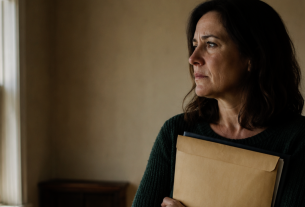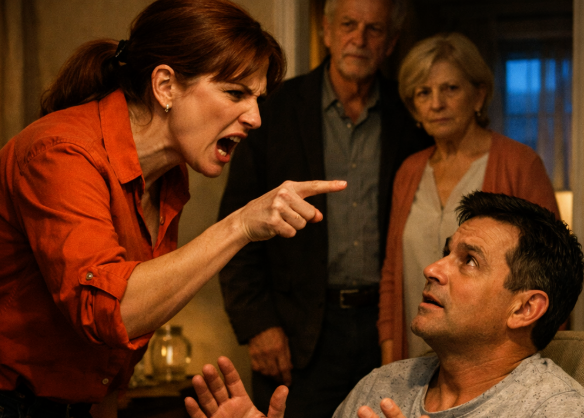
“I didn’t invite them, and I don’t want to see them. Especially not on the holidays! Choose—your family or me,” Galya gave her husband an ultimatum.
Galya found out about it by accident, as unpleasant news so often is.
She was making dinner in the kitchen and, out of the corner of her ear, could hear Seryozha talking on the phone in the next room. At first, his voice was обычный—calm, slightly condescending, the way he always spoke to his mother. Then his tone changed. It became more animated, with that particular faintly boastful note that appeared whenever he was talking about something he was proud of.
“Yes, seriously. We redid everything there. We paneled the veranda, replaced the fence, fixed up the bathhouse. Galka even sewed the curtains herself, can you imagine? Well, come by and see it. On the eighth?” His voice caught for a second, but then, apparently, he gave in. “Well… the eighth will do.”
Galya set the spoon down on its rest. Slowly. Very slowly, because if you do things quickly, you might break something. Or say something that will be hard to take back later.
She waited until her husband finished the call. Waited until he came into the kitchen wearing that light, almost carefree look of someone who still had not realized what he had done.
“Who was that?” Galya asked evenly.
“Mom.” Seryozha reached for the kettle. “She was congratulating us in advance, and, well…”
“And you invited them to the dacha for March 8.”
He turned around. In his eyes flickered that expression Galya knew well—a mix of guilt and hope that somehow it would all just blow over on its own.
“Well, they’d been asking for a long time to see what we’d done there. And Mom says Svetka and her family want to—”
“Seryozha,” Galya interrupted. Calmly, without raising her voice. “We had an agreement. Remember? We specifically agreed not to tell anyone.”
He was silent for a moment.
“Well, it just sort of happened…”
“It just sort of happened,” Galya repeated. “I see.”
She took off her apron, folded it neatly, and hung it on the hook. Then she left the kitchen. Seryozha stood there for a bit, then followed her.
And the dacha really was a sore subject—in the good sense of the phrase. Sore because they had poured so much effort, money, and nerves into it that it had become almost a living thing. Something you believed in and protected.
Galya had inherited the dacha from her grandmother—an old plot at the edge of the village, with a leaning little house, a leaky roof, and a vegetable garden long overgrown with who-knew-what. For the first few years, they barely went there—there was always something else, something more urgent. Then one long winter evening, Galya pulled out the photos she had taken there as a child, spread them out on the table, and she and Seryozha sat over them until deep into the night.
“Let’s do it,” Seryozha had said then. “Let’s do it properly. For ourselves.”
And they did. Not all at once—gradually, bit by bit, coming every weekend and tinkering, fastening, painting, re-laying. Seryozha learned how to lay tile—crookedly at first, then better and better. Galya discovered in herself a passion for painting walls and, it seemed, went through every possible shade before finding the one she liked. They argued over the color of the curtains, then over where to put the swing, then over whether they needed a summer kitchen or if a grill was enough.
They spent the whole summer repairing the bathhouse. Seryozha worked on it alone on Saturdays, coming home with scraped-up hands—and with the look of someone doing something important.
By autumn, the dacha was ready. Not glossy or showy, not something out of a magazine, but alive, warm, and cozy.
And that same autumn, on one of those last warm evenings when they sat on the new veranda drinking tea, Galya said, “Seryozha, let’s not tell anyone. For now.”
“Why?” he asked, surprised.
“Because the moment we do, it’ll start. Your mother, Svetka with the kids, Kolyan with his ‘crowd’… We won’t even have time to enjoy it ourselves before this place turns into a revolving door. You know how it goes.”
Seryozha did know. His mother, Tamara Nikolaevna, was an energetic woman and not at all inclined to ask permission. If someone told her there was a dacha, she came. If they said the bathhouse was ready, she came—with company. His sister Svetlana was a little quieter, but her husband Kolyan knew how to turn any peaceful отдых into a noisy affair, complete with arguments over “who drank more” and a guitar on which he played the same chords over and over.
“All right,” Seryozha had agreed then. “We won’t tell anyone.”
And now he had.
Galya sat on the couch in the room, staring at the wall. Not because she was upset—well, not only because of that. She was thinking. Seryozha came in, sat down beside her, and was silent for a while.
“Galya, what’s so terrible about it?” he began cautiously. “They’ll come once, have a look around. Mom’s never even been there, she’d be hurt if—”
“Seryozha,” Galya said. “We had an agreement.”
“Yeah, but—”
“Wait. Let me speak.” She turned to him. “We had an agreement. That was our agreement. I understand that it’s hard for you to tell your mother ‘no.’ I do understand that. But you did this without me. You didn’t ask. You just went ahead and invited them to our holiday—on March 8, Seryozha—without asking whether I even wanted to see them that day.”
He said nothing.
“I didn’t invite them,” Galya continued, and there was no hysteria in her voice, no tears—only tired firmness. “And I don’t want to see them. Especially not on the holidays. So now you choose: either you call them and explain that you didn’t consult me and that we’re not ready to host them. Or…” She paused. “You meet them there by yourself.”
“Galya…”
“Choose. Your family or me.”
Seryozha stood up. Walked around the room. Sat back down. Stood up again.
“Do you realize how that’s going to sound? Mom will be offended. Svetka will be offended. They’ll say that you…”
“That I what?” Galya looked at him without malice, simply waiting.
“That you’re against our family.”
“I’m against not being asked. Those are slightly different things.” She stood up. “Seryozha, I’m not joking. Decide.”
And she went back into the kitchen—to finish cooking the soup that had been sitting there waiting all this time.
Seryozha paced around the apartment for another forty minutes. Galya could hear his footsteps—back and forth, from the room to the kitchen, from the kitchen to the hallway. She went about her business and didn’t interfere with his thinking. It was his decision, and she was not going to push him one way or the other.
At last, he stopped in the kitchen doorway.
“All right,” he said. His voice was gloomy.
“All right meaning what?”
“It means I’ll call.” He rubbed his face with his hand. “I’ll say I acted too hastily. That I didn’t clear it with you.”
Galya nodded.
“Good.”
“They’ll be offended.”
“Possibly.”
“Mom will…” He didn’t finish.
“Seryozha.” Galya walked over to him and took his hand. “I’m not asking you to fight with your mother. I’m asking you to tell the truth: that you rushed things and didn’t coordinate it with me. That’s not an insult. It’s a fact.”
He sighed.
“You’re right.”
“I know. Go call.”
The call to his mother lasted a long time. Galya could hear fragments of words drifting from the room—“didn’t discuss it,” “other plans,” “don’t be upset,” “later, definitely.” Then there was a pause, then Seryozha’s voice again—quieter now, calmer, with that tone he used when his mother went on the offensive and he had to hold his ground…
“Continuation is a little lower in the first comment.”
Galya found out about it by accident, as often happens with unpleasant news.
She was making dinner in the kitchen and, with half an ear, could hear Seryozha talking on the phone in the next room. At first his voice was ordinary—calm, slightly condescending, the way he always spoke to his mother. Then his tone changed. It grew livelier, with that particular, faintly boastful note that appeared whenever her husband talked about something he was proud of.
“Yes, seriously. We redid everything there. We paneled the veranda, replaced the fence, fixed up the little bathhouse. Galka even sewed the curtains herself, can you imagine? Well, come and see. On the eighth?” His voice faltered for a second, but then, apparently, he gave in. “Well… yes, the eighth will do.”
Galya set the spoon down on its rest. Slowly. Very slowly, because if you do something too quickly, you might break it. Or say something that will be hard to take back later.
She waited until her husband finished the call. Waited until he came into the kitchen wearing that light, almost carefree expression of a man who still had no idea what he had done.
“Who was that?” Galya asked evenly.
“Mom.” Seryozha reached for the kettle. “She was congratulating us in advance, and, well…”
“And you invited them to the dacha for March eighth.”
He turned around. In his eyes flashed that expression Galya knew well—a mix of guilt and hope that somehow it would all just blow over on its own.
“Well, they’ve been asking for a long time to see what we did there. And Mom says Svetka and her family want to come too…”
“Seryozha,” Galya interrupted. Calmly, without raising her voice. “We had an agreement. Remember? We specifically agreed not to tell anyone.”
He fell silent.
“It just sort of happened…”
“It just happened,” Galya repeated. “I see.”
She took off her apron, neatly folded it, and hung it on the hook. Then she left the kitchen. Seryozha stood there for a little while, then followed her.
And the dacha really was a sore subject—in the best sense of the phrase. Sore because they had poured so much effort, money, and nerves into it that it had become almost a living thing. Something you believe in and protect.
Galya had inherited it from her grandmother—an old plot at the edge of the settlement, with a crooked little house, a leaky roof, and a vegetable garden long overgrown with whatever had taken root there. For the first few years, they barely went there at all—there was always one thing or another, and they never quite got around to it. Then one long winter evening, Galya pulled out the photographs she had taken there as a child, spread them across the table, and she and Seryozha sat over them until late into the night.
“Let’s do it,” Seryozha had said then. “Let’s do it properly. For ourselves.”
And they did. Not all at once—gradually, bit by bit, coming every weekend and tinkering, fastening, painting, relaying. Seryozha learned how to lay tile—crookedly at first, then better and better. Galya discovered in herself a passion for painting walls and, it seemed, went through every shade imaginable before finding the one she truly liked. They argued over the color of the curtains, then over where to put the swing, then over whether they needed a summer kitchen or if a barbecue grill would be enough.
They repaired the bathhouse all summer. Seryozha worked on it alone on Saturdays, coming home with scraped hands—and with the look of a man doing something important.
By autumn, the dacha was ready. Not glossy and showy, not something out of a magazine, but alive, warm, and cozy.
And around that same time, on one of those last warm evenings when they were sitting on the new veranda drinking tea, Galya had said:
“Seryozha, let’s not tell anyone. For now.”
“Why?” he had asked, surprised.
“Because the moment we do, it’ll start. Your mother, Svetka with the kids, Kolyan with his ‘crowd’… We won’t even get a chance to enjoy it ourselves before it turns into a revolving door. You know how it goes.”
Seryozha did know. His mother, Tamara Nikolayevna, was an energetic woman not at all inclined to ask permission. If she was told there was a dacha, she showed up. If she was told the bathhouse was ready, she showed up with company. His sister Svetlana was a little quieter, but her husband Kolyan had a talent for turning any peaceful outing into a noisy affair, complete with an inevitable contest over “who drank more” and a guitar on which he played the same few chords over and over.
“All right,” Seryozha had agreed then. “We won’t tell anyone.”
And now he had told them.
Galya sat on the couch in the living room, staring at the wall. Not because she was offended—well, not only because of that. She was thinking. Seryozha came in, sat beside her, and was silent for a while.
“Galya, what’s so terrible about it?” he began cautiously. “They’ll come once, look around. Mom’s never even been there, she’d feel hurt…”
“Seryozha,” Galya said. “We had an agreement.”
“Yeah, but…”
“Wait. Let me speak.” She turned to him. “We had an agreement. That was our agreement. I understand that it’s hard for you to tell your mother no. I do understand that. But you did this without me. You didn’t ask. You just went ahead and invited them to our holiday—on March eighth, Seryozha—without asking whether I wanted to see them that day.”
He said nothing.
“I didn’t invite them,” Galya continued, and there was no hysteria or tears in her voice—only tired firmness. “And I do not want to see them. Especially on a holiday. So now you choose: either you call them and explain that you didn’t consult me and that we are not ready to host them. Or…” She paused. “You meet them there by yourself.”
“Galya…”
“Choose. Your family or me.”
Seryozha stood up. Walked across the room. Sat down again. Then stood once more.
“Do you understand how that will sound? Mom will be offended. Svetka will be offended. They’ll say that you…”
“That I what?” Galya looked at him without malice, simply waiting.
“That you’re against our family.”
“I’m against not being asked. Those are two very different things.” She got up. “Seryozha, I’m not joking. Decide.”
And she went back to the kitchen to finish cooking the soup that had been standing there waiting all this time.
Seryozha paced around the apartment for another forty minutes. Galya could hear his footsteps—back and forth, from the room to the kitchen, from the kitchen to the hallway. She went about her business and did not interfere with his thinking. This was his decision, and she was not going to push him one way or the other.
At last he stopped in the kitchen doorway.
“All right,” he said. His voice was unhappy.
“All right means what?”
“It means I’ll call them.” He rubbed his face with his palm. “I’ll say I got carried away. That I didn’t clear it with you.”
Galya nodded.
“Good.”
“They’ll be offended.”
“Possibly.”
“Mom will…” He trailed off.
“Seryozha.” Galya came over to him and took his hand. “I’m not asking you to fight with your mother. I’m asking you to tell the truth: that you were too hasty and didn’t check with me. That is not an insult. It’s a fact.”
He sighed.
“You’re right.”
“I know. Go call.”
The call to his mother lasted a long time. Galya could hear individual words drifting in from the room—“didn’t clear it,” “other plans,” “don’t be upset,” “some other time for sure.” Then there was a pause, and then Seryozha’s voice again—quieter now, calmer, with that tone he used when his mother went on the offensive and he had to hold his ground. Then he called Svetka. That conversation was shorter, but judging by the way he came out afterward, it was no easier.
“Well?” Galya asked.
“Mom said it was strange, and that apparently you weren’t happy to see them.” He looked at his wife. “I said that wasn’t it, just that I rushed into it. She didn’t really believe me.”
“I see.”
“Svetka was silent. But Kolyan managed to say something—I didn’t catch it, but the tone was… well, you know.”
Galya knew.
“So what now?”
“Now they’re not coming.” Seryozha sat down on the couch. He looked like a man who had just gone through something unpleasant, but had, on the whole, survived it. “They’re offended. Mom said that if we’re not happy to have guests, she won’t force herself on us.”
“She always forces herself on people,” Galya remarked quietly. “Usually nobody tells her no.”
Seryozha was silent for a moment.
“Yes.”
Galya came over and sat beside him.
“Seryozha. I understand that you feel bad right now. And I’m not gloating. But you have to see this yourself: if you always say yes because you’re afraid to offend people, that isn’t respect for them. It’s just fear. And sooner or later it will still end badly.”
“You’re getting philosophical,” he said with a crooked little smile.
“A little.”
He was quiet again. Then he said:
“Did you invite Mashka and Dimka?”
“Yes. And Olya with Petrovich. And Katka by herself—this time she’s without Gennady.”
“Good company.”
“Normal company. People we invited ourselves,” Galya уточнила.
March eighth turned out unexpectedly warm for that time of year. One of those early spring days when the sun is already real—not decorative, but alive, with warmth—and the ground is still frozen while the air is not.
They went to the dacha the evening before—to heat it up, air it out, get everything ready. Seryozha fussed with the grill, Galya unpacked the bags and put everything in its place. The house smelled of wood and a little of paint—cozy, homelike.
“It’s nice here,” Seryozha said, standing on the veranda and looking out over the yard.
“It is,” Galya agreed.
“It’s a pity Mom won’t see it.”
“She will. Someday. When we decide we want to invite her.”
He turned to her.
“Promise?”
“I promise. I’m not against your mother, Seryozha. I’m against decisions being made without me.”
He nodded. Slowly, but sincerely.
The guests arrived in the morning. Mashka and Dimka brought flowers and a cake—not store-bought, but one of Mashka’s own, with cream she made from her grandmother’s recipe and that came out a little differently every time, but always well. Olya and Petrovich brought wine and Petrovich’s signature infused liqueur, of which he was especially proud. Katka came carrying an armful of tulips and looking as though she had finally let go of something heavy—without Gena, she was clearly breathing easier.
Seryozha grilled the meat. Galya sat in a lounge chair—for the first time that season—and squinted into the sunlight. Beside her stood a glass of hot tea, Mashka was telling something funny, Katka was laughing loudly, and Petrovich was arguing with Dimka about something completely unimportant with the air of a man to whom the process itself mattered.
“Galya,” Seryozha called from the grill. “About twenty more minutes.”
“All right,” she called back.
“How does it feel to breathe?” Mashka asked, nodding somewhere off to the side—not geographically, but in the sense of, “So how are things overall?”
“Fine,” Galya said. And she thought that this word, which usually means “nothing special,” now meant something different. Fine was when things were good, and you knew it, and you did not have to prove or explain anything. “Actually, better than fine.”
Mashka smiled in understanding.
After lunch they walked around the property—Galya showed what they had managed to do. Olya admired the bathhouse. Petrovich touched the fence boards and clicked his tongue approvingly—he understood such things and did not hand out praise lightly. Dimka found some old hockey sticks in the shed—nobody knew where they had come from—and for a while pretended to be a hockey player, to everyone’s amusement.
“You’ve done well here,” Petrovich said quietly to Seryozha while they stood by the bathhouse. “Solid work.”
“We tried,” Seryozha replied.
“It shows.” Petrovich paused. “The main thing is not to let it go afterward. It’s like with people: as long as you keep investing, it lives. Stop, and it starts to fall apart.”
Seryozha looked over at Galya, who at that moment was explaining something to Mashka, pointing toward the garden beds, and smiling at some thought of her own.
“I won’t let it go,” he said.
Later that evening, after the guests had left and they were clearing the table, Seryozha suddenly said:
“You know, I’m glad.”
“About what?”
“That it turned out this way. That it was them, and not…” He did not finish.
“Not your mother and Kolyan with his guitar,” Galya finished for him.
He laughed.
“Yeah.” He was silent for a moment. “Though I still feel a little guilty.”
“It’ll pass,” Galya said.
“You sound so sure.”
“When you get used to saying no when it’s necessary, it’ll pass. It doesn’t mean you don’t love them. It just means distance.” She folded the napkins and looked at him. “You did the right thing by calling. It wasn’t easy.”
“I’ll say.”
“And I appreciate it. Truly.”
He came up behind her and wrapped his arms around her while she stood at the table.
“Happy holiday,” he said into the top of her head.
“Thank you,” she replied. “A little late.”
“The feeling is what matters.”
Outside, it was getting dark. The yard was quiet, a little bluish in the evening light, and somewhere far away, in the neighboring settlement, a dog barked—lazily, without alarm, just because. Galya looked out the window and thought that this, perhaps, was exactly it—when everything is right. Not perfect. Not without difficulties. But right.
Seryozha’s mother called a few days later. Her voice was level, a little formal—the way she always spoke when she felt offended but did not want to show it directly.
“I hope you celebrated well,” she said.
“Thank you, Tamara Nikolayevna,” said Galya, who had answered the phone. “We did.”
“Well, that’s excellent.” A pause. “Is Seryozha home?”
“He is, I’ll pass him the phone.”
They spoke with her son—Galya did not listen, she went into the other room. That was their conversation. She held no grudge against Tamara Nikolayevna—she was who she was, and that was unlikely to change. But Galya had no intention of bending to her expectations either.
After a while, Seryozha came out.
“Mom wants to know if she can come for the May holidays.”
Galya lifted her head from her book.
“Tell her to call in advance. We’ll think about it.”
Seryozha was quiet for a moment, then nodded.
“All right. That’s what I’ll say.”
He went back to the phone. Galya opened her book again, though she was not reading—just holding it and thinking that the word “we’ll think about it” was probably the best possible one. Not “no.” Not “of course, come.” But “we’ll think about it”—meaning both of us will think about it, together, and decide together.
It was a small phrase. But it held something important.
The dacha stood quietly all spring, waiting for them. Every weekend they came—sometimes with someone, more often just the two of them—and did something: planted, painted, repaired, or simply sat on the veranda with coffee, in no hurry to be anywhere.
Seryozha learned to say, “We’re not ready”—not every time, and not without effort, but he learned. Tamara Nikolayevna grumbled, but eventually accepted it—or pretended to, which in practical terms was the same thing. Svetka and Kolyan called rarely and, on the whole, did not insist.
And the dacha lived. And that was enough.