“He said my food wasn’t ‘like his mother’s.’ From that day on, I stopped cooking.”
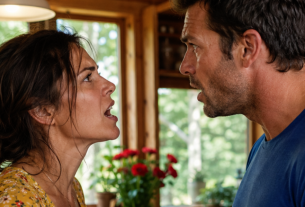
“Tanya, honestly, you overcooked them again.” Igor pushed away the plate with the cutlet as if there were something inedible on it. He hooked the edge of the browned crust with his fork and grimaced in disgust. “My mom’s are always juicy, they practically melt in your mouth. But these… you chew them like shoe leather.”
Tatyana froze, a dish towel in her hands. The kitchen clock was ticking too loudly, measuring out the last seconds of her patience. She had just come back from a twelve-hour shift in the treatment room. Her legs were aching, the line of coughing patients still lingered before her eyes, and her back throbbed from bending over examination couches all day. She had spent forty minutes of her precious rest frying these damned cutlets from fresh ground meat she had bought on the way home.
“If you don’t like it, don’t eat it,” she said quietly but firmly. “There are dumplings in the fridge.”
“There you go again,” Igor said, rolling his eyes as he reached for some bread. “I’m not saying it to be mean. I just want you to learn. Mom even offered to show you how she makes them. She has a secret: she adds a little ice-cold water to the meat and beats it against the table for five minutes. Then the protein changes structure and the juices stay inside. Elementary physics, Tanya.”
Tatyana slowly put the towel down on the table. Something inside her clicked. Not loudly, not hysterically, but dully, like an old light bulb burning out in a stairwell. This was not the first remark. The borscht had been “not rich enough,” the shirts were “ironed wrong,” and the floors had been “washed without following the proper technique.” The shadow of Galina Petrovna, his mother, was always invisibly present in their two-room apartment, commenting on every move the daughter-in-law made through the mouth of her forty-year-old son.
“You know what, Igoryok,” Tatyana said, sitting down across from him and looking straight at the bridge of his nose, “since your mother is such an unmatched cook and I’m hopeless, let’s restore justice. From this day on, I’m not cooking anymore. At all. We eat separately. I’ll take care of myself and Anton. And you—you do whatever you want. Or go eat at your mother’s.”
“Don’t be ridiculous,” Igor smirked, biting into the cutlet he had been criticizing a minute earlier. “You had your little tantrum, that’s enough. Pour me some tea.”
But Tatyana did not get up. She picked up her phone and left the kitchen, leaving her husband alone with the dirty dishes.
The first three days passed in a state of cold war. Igor demonstratively finished off the leftover soup, banged pots around, and sighed heavily whenever he walked past Tatyana. She, on the other hand, came home from work and quickly made a light dinner for herself and her twelve-year-old son Anton from her first marriage. Oatmeal with fruit, cottage cheese, steamed chicken breast—quick, healthy, and with no pretensions of haute cuisine.
“Mom, isn’t Uncle Igor going to eat?” Antoshka asked on the third evening, stirring his buckwheat with a spoon.
“Uncle Igor is on a diet,” Tatyana said shortly, stroking her son’s tousled hair. “Don’t worry, eat.”
On the fourth day, Igor snapped.
“Tanya, this isn’t funny anymore. There’s nothing in the fridge. My gastritis is going to flare up—you’re a medical worker, you should understand that!”
Tatyana looked up from her book. She had not read in ages; all her time used to go into housework.
“As a medical worker, I’ll tell you this: in ninety percent of cases, gastritis is caused by Helicobacter pylori bacteria, not by a lack of borscht,” she replied calmly. “And it gets worse from stress and bile. So get less angry, dear. And by the way, the dumplings are still in the freezer.”
Igor turned crimson, grabbed his jacket, and stormed out of the apartment, slamming the door so hard that plaster crumbled from the wall. Tatyana knew exactly where he had gone: to the headquarters of the culinary commander-in-chief—to Galina Petrovna.
On Saturday morning, a key scraped in the door lock. Igor had not come back alone. Galina Petrovna floated into the hallway like the Lenin icebreaker. In her hands she carried bulging bags, with green onion tops and the edges of plastic containers sticking out of them.
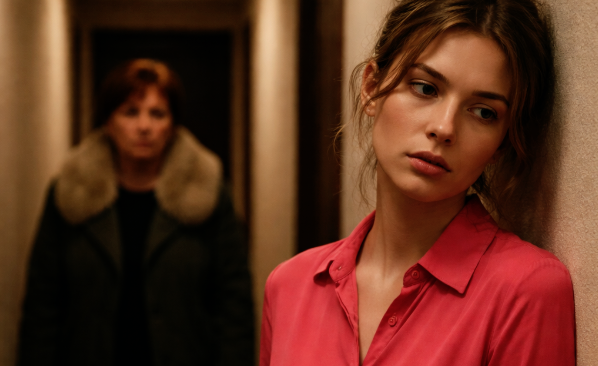
“Tanechka, hello!” her mother-in-law sang in a syrupy voice, walking straight into the kitchen without even taking off her shoes. “Igoryok complained that you’ve got absolutely nothing here. I decided to feed the family, because a man works hard—he needs his strength.”
Tatyana stepped into the hallway, arms crossed over her chest. The apartment belonged to her—it was her grandmother’s inheritance—but her mother-in-law always behaved there like an inspector.
“Hello, Galina Petrovna. You really shouldn’t have bothered.”
“Oh, but of course I should have!” her mother-in-law was already unloading jars of pickles, trays of aspic, and a heap of pirozhki covered with a towel onto the table. The kitchen filled with the smell of yeast dough and fried oil. “You work, you get tired, you have no time for your husband. And a man loves care. The stomach is a man’s second heart.”
Hearing the smell of baked goods, Anton peeked out of his room. The boy was shy by nature; his relationship with his stepfather was strained but polite. He was afraid of his step-grandmother.
“Oh, pirozhki!” the child’s eyes lit up. He timidly came up to the table. “May I have one? With cabbage?”
Anton reached for a rosy, golden pie lying at the edge.
In the very same second, Galina Petrovna sharply seized his wrist like a cobra. Her face, which had been radiating kindness just moments before, twisted into a disgusted grimace.
“Where do you think you’re putting your hands?” she hissed, yanking the boy’s hand away. “Probably didn’t even wash them. And anyway, I brought these for my son. For Igor. He works hard, he earns money. Let your real father feed you, or your mother, if she can be bothered to go near the stove.”
Anton recoiled, clutching his hand to his chest. Big tears welled up in his eyes at once. He had not expected a blow—not a physical one, but that vicious, rejecting snap. He was only twelve years old, and he had simply wanted a pie.
“Grandma Galya, I just…” he whispered.
“What kind of grandma am I to you?” she snorted, wiping her hands on the apron she had brought with her. “I’ll have a grandson when Igor starts a proper family. And you—you’re just baggage.”
Silence fell over the kitchen. Igor, standing by the window and chewing on a cucumber, pretended to be deeply fascinated by the view outside. He said nothing. He just chewed and stared out the window.
Tatyana stood in the doorway. She had seen everything. She saw her son shrink into himself, saw his lips tremble. She saw her husband’s indifferent back. In that moment, the veil finally fell from her eyes. There was no more exhaustion, no more doubt, no more fear of being alone. There was only the icy fury of a mother protecting her child.
She walked up to the table and picked up the very platter of pirozhki.
“Get out,” Tatyana said quietly.
Galina Petrovna froze, her mouth hanging open.
“What? How dare you speak to me like that, you rude little—? I came here with all my heart—”
“I said get out of my house,” Tatyana repeated, her voice growing stronger, hard as metal. “Take your pots, your pies, your ‘overworked’ son, and get out.”
“Igoresha!” the mother-in-law shrieked, looking for protection. “Do you hear what she’s saying?! … Continued just “Come on, Tanya, honestly, you’ve dried them out again.” Igor pushed his plate with the cutlet away as if there were something inedible on it. He hooked the edge of the browned crust with his fork and grimaced in disgust. “When my mom makes them, they’re always juicy, they practically melt in your mouth. But these… you chew them like shoe leather.”
Tatyana froze, a dish towel in her hands. The kitchen clock was ticking far too loudly, measuring out the last seconds of her patience. She had just come home from a twelve-hour shift in the treatment room. Her legs were throbbing, she could still see the line of coughing patients in front of her eyes, and her back ached from bending over exam couches all day. She had spent forty minutes of her precious rest time frying these damn cutlets from fresh ground meat she had bought on the way home.
“If you don’t like it, don’t eat it,” she said quietly but firmly. “There are dumplings in the fridge.”
“There you go again,” Igor said, rolling his eyes as he reached for the bread. “I’m not saying it to be mean. I just want you to learn. Mom even offered to show you how she makes them. She has a secret: she adds a little ice-cold water to the meat and slaps it against the table for five minutes. That changes the protein structure, and the juices stay inside. Elementary physics, Tanya.”
Tatyana slowly laid the dish towel on the table. Something inside her clicked. Not loudly, not hysterically, but dully, like an old bulb burning out in a hallway. This was not the first remark. The borscht had been “not rich enough,” the shirts were “ironed wrong,” and the floors were “washed incorrectly.” The shadow of Galina Petrovna, his mother, was always invisibly present in their two-room apartment, commenting on every move the daughter-in-law made through the mouth of her forty-year-old son.
“You know what, Igoryok,” Tatyana said, sitting down across from him and looking straight at the bridge of his nose, “since your mother is such an unmatched cook and I’m hopeless, let’s restore justice. Starting today, I’m not cooking anymore. At all. We eat separately. I’ll take care of myself and Anton. And you’re on your own. Or you can go eat at your mother’s.”
“Don’t be ridiculous,” Igor scoffed, taking a bite of the cutlet he had been criticizing a minute earlier. “You had your little fit, now enough. Pour me some tea.”
But Tatyana did not get up. She picked up her phone and walked out of the kitchen, leaving her husband alone with the dirty dishes.
The first three days passed in a state of cold war. Igor pointedly finished off the leftover soup, banged pots around, and sighed heavily whenever he walked past Tatyana. As for her, when she came home from work, she quickly made a light dinner for herself and her twelve-year-old son Anton from her first marriage. Oatmeal with fruit, cottage cheese, steamed chicken breast—fast, healthy, and with no pretensions of haute cuisine.
“Mom, isn’t Uncle Igor going to eat?” Anton asked on the third evening, stirring his buckwheat with a spoon.
“Uncle Igor is on a diet,” Tatyana cut him off, patting her son’s messy hair. “Don’t worry about it. Eat.”
On the fourth day, Igor snapped.
“Tanya, this isn’t funny anymore. The fridge is empty. My gastritis is going to flare up—you’re a medical professional, you should understand that!”
Tatyana looked up from her book. She had not had time to read in ages; all her time had gone into household chores.
“As a medical professional, I can tell you that in ninety percent of cases gastritis is caused by Helicobacter pylori bacteria, not by the absence of borscht,” she shot back calmly. “And it gets worse from stress and bile. So try being less angry, dear. And by the way, the dumplings are still in the freezer.”
Igor turned crimson, grabbed his jacket, and stormed out of the apartment, slamming the door so hard that plaster crumbled from the wall. Tatyana knew exactly where he was going. To the headquarters of the generalissimo of the culinary troops—Galina Petrovna.
On Saturday morning, a key scraped in the lock. Igor had not returned alone. Galina Petrovna sailed into the hallway like an icebreaker, carrying bulging bags with green onion tops and the edges of plastic containers sticking out of them.
“Tanechka, hello!” her mother-in-law sang out in a syrupy voice, not even taking off her shoes as she marched straight into the kitchen. “Igoryok complained that you’ve got nothing at all here. I decided to feed the family, otherwise the poor man works so hard, he needs his strength.”
Tatyana stepped into the hallway, arms crossed over her chest. The apartment belonged to her—it was her grandmother’s inheritance—but her mother-in-law had always behaved there like an inspector.
“Hello, Galina Petrovna. You really shouldn’t have bothered.”
“Oh, but of course I should have!” Her mother-in-law was already unloading jars of pickles, containers of aspic, and a mountain of pies covered with a dish towel onto the table. The kitchen filled with the smell of yeast dough and frying oil. “You work, you get tired, you have no time for your husband. But a man loves to be cared for. The stomach is a man’s second heart.”
Hearing the smell of pastries, Anton peeked out from his room. The boy was shy by nature, and his relationship with his stepfather was strained but polite. His grandmother-in-law frightened him a little.
“Oh, pies!” the child’s eyes lit up. He stepped timidly toward the table. “Can I have one? The cabbage one?”
Anton reached for a golden-brown pie lying at the edge.
In that same second, Galina Petrovna sharply grabbed his wrist like a cobra striking. Her face, which had just been radiating good nature, twisted into a disgusted grimace.
“Where do you think you’re putting those paws?” she hissed, jerking his hand away. “Bet you didn’t even wash them. And anyway, I brought these for my son. For Igor. He works and earns money. Let your real father feed you, or your mother, if she can be bothered to go near the stove.”
Anton recoiled, clutching his hand to his chest. Big tears welled up instantly in his eyes. He had not expected a blow—not a physical one, but this cruel, rejecting bark. He was only twelve years old, and he had simply wanted a pie.
“Grandma Galya, I just…” he whispered.
“What grandma?” she snorted, wiping her hands on the apron she had brought with her. “I’ll have a grandchild when Igor starts a proper family. You’re just baggage.”
Silence fell over the kitchen. Igor, standing by the window and chewing on a cucumber, pretended to be completely absorbed in the view outside. He said nothing. He just kept chewing and staring out the window.
Tatyana stood in the doorway. She had seen everything. She saw her son shrink into himself, saw his lips begin to tremble. She saw her husband’s indifferent back. In that moment, the veil fell from her eyes completely. There was no more exhaustion, no more doubt, no more fear of being alone. There was only the icy fury of a mother protecting her child.
She walked up to the table and picked up the dish of pies.
“Get out,” Tatyana said quietly.
Galina Petrovna froze with her mouth open.
“What? How dare you speak to me like that, you little bitch? I came here with all my heart…”
“I said get out of my house,” Tatyana repeated, her voice growing stronger, edged with steel. “Take your pots, your pies, your ‘overworked’ son, and get the hell out.”
“Igor!” her mother-in-law shrieked, looking for protection. “Do you hear what she’s saying?!”
Igor finally turned around, blinking in alarm.
“Tanya, what are you doing? Mom just… well, she snapped, এসব happens. Anton’s at fault too, he shouldn’t have been reaching with dirty hands.”
Tatyana looked at her husband as though she were seeing him for the first time. And what she saw was a weak, cowardly man who, in two years of marriage, had never once asked how Anton was doing at school, but every evening demanded a report on whether there was sour cream for the borscht.
“Antosha, go to your room and pack your schoolbag for tomorrow,” she said gently to her son. Sniffling, the boy ran off.
Then Tatyana turned back to the relatives.
“You have five minutes. If in five minutes you are not gone along with all of this”—she nodded at the pile of food—“I’m changing the locks. And on Monday I’m filing for divorce.”
“You have no right!” Igor shrieked. “This is our joint home, I’m registered here!”
“You’re only temporarily registered here,” Tatyana reminded him coldly, leaning on a legal fact she knew by heart. “The apartment was bought before the marriage. You have no ownership rights. And I can cancel your registration through the public services center as the owner. Learn the basics, Igoryok. Your time starts now.”
Red-faced, Galina Petrovna started grabbing her bags.
“Come on, son!” she shouted, rattling containers. “I told you she was crazy! A woman with baggage, and a hysteric on top of that! We’ll find you a good, domestic one!”
Igor darted back and forth between his mother and his wife, but his lifelong habit of obeying the stronger force won out. His mother was louder and scarier. He grabbed his jacket.
“You’ll regret this, Tanya. You’ll end up all alone—who needs a forty-year-old woman?” he threw over his shoulder from the hallway, trying to hit where it hurt most.
“Better alone than with a traitor who lets a child be insulted over a piece of dough,” Tatyana replied, and with immense satisfaction she slammed the door behind them.
The click of the lock sounded like the starter pistol for a new life.
Tatyana leaned back against the door and slowly exhaled. Her hands were shaking. But it was not the trembling of fear—it was adrenaline leaving her body. She walked into the kitchen. A greasy mark from the container of aspic was left on the table.
She picked up a rag and firmly wiped the stain away. Then she opened the window, letting in frosty fresh air to clear out the smell of чужой, heavy food and other people’s malice.
“Mom?” Anton stood in the doorway, still frightened. “Did they leave?”
“They left, sweetheart. For good.”
“And you’re not crying?”
Tatyana smiled, walked over to him, and hugged him tightly, breathing in the familiar scent of his shampoo.
“No. I only just realized that from now on, everything is finally going to taste good for us. Get ready, Antoshka. We’re going to a pizzeria. To celebrate.”
“Celebrate what?”
“Freedom, son. And the start of a new diet. Toxin-free.”
That evening they sat in a small cozy café, eating pizza with long strings of melted cheese and laughing over something silly. Tatyana’s phone was exploding with messages from Igor and her mother-in-law, but she did not see them. The phone lay at the bottom of her bag, both of them blocked, exactly where they belonged. Tatyana looked at her happy son and thought that not a single “proper” cutlet in the world was worth one child’s tear. And that was the most important recipe she had ever learned.