No one came to wish her a happy birthday.
Since early morning, Anna had been standing at the stove, preparing her children’s and grandchildren’s favorite dishes. She had even gone to the district center to buy exotic avocados and those strange dark sheets that smelled of the sea, from which she carefully rolled little bundles with rice and fish. Her grandchildren called them “rolls” and always ate them with pleasure.
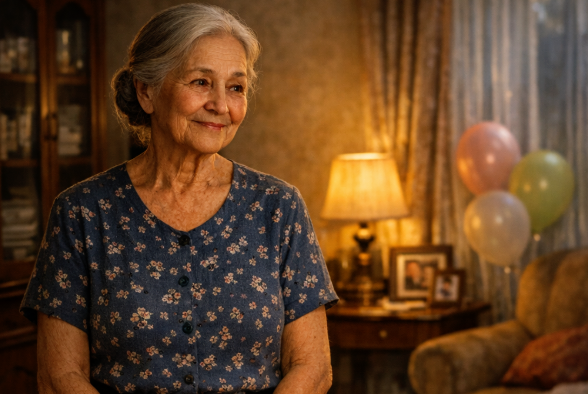
Today she was turning sixty — a milestone birthday. She was sure everyone would come.
Although over the past year quite a few grievances had built up in the family, Anna had called all her children in advance. And each of them had promised to come.
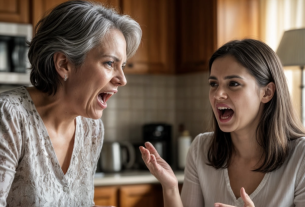
Her daughters had long been unhappy, believing that their mother helped their brother more.
But he was the youngest, just beginning to get on his feet, and his children were still very small: Sofiyka was seven, Petrik six.
Her daughters’ children, on the other hand, were already grown — no need to spoil them, let them earn their own way. Anna herself had worked hard all her life and had taught her children to do the same. But in her opinion, her daughters had turned out badly: one, at forty, had quit her job at the school and decided to become a singer; the other had recently married for the third time — and again to some older man. Couldn’t she find a younger one? Nowadays everyone, on the contrary, marries younger men.
There was no one she could talk to about any of this.
Once, Anna had close childhood friends: round-faced Tanya, tiny and fussy Nina, tall as a pole Alevtina, and the oldest of them all — Varvara, quiet as a dandelion. But they had not spoken for ten years.
And it was all because of her husband.
At one time, he had decided to go into business and persuaded Anna to convince her friends to invest money in a “profitable venture.” He described the prospects so beautifully that Anna believed him… and convinced the others too.
And then he simply disappeared.
He left. For good. As it turned out, he had found himself a younger woman. The business collapsed, and he declared bankruptcy. Her friends were left with nothing.
Maybe they would have forgiven Anna — after all, she herself had been abandoned in her later years. But then they found out that her husband had, after all, paid her back.
And that was when the real resentment began.
They thought she should have shared the money among all of them.
And Anna herself couldn’t hold back either — she said such awful things back then that she was ashamed even to remember them: that Tanya supposedly stole other people’s seedlings at night, which was why everything grew better in her garden than anyone else’s; that Alevtina had always been an old maid and had remained one; that Nina was a cuckoo, having handed her child over to her mother and shown no interest in him; and that Varvara had even been carrying on with Tanya’s husband…
That was when they drifted apart.
Anna did not want to leave the village. Her whole life had passed there — where was she supposed to go now?
Her children sometimes invited her to live with them, but she understood: what they really needed was a babysitter for the grandchildren.
She loved her grandchildren, but not enough to start living someone else’s life again.
The evening descended slowly.
A cousin from Uzhhorod sent her an electronic greeting card. Imagine that — even she had remembered, though she had long since not been quite herself. But her own children… they had not even remembered.
The refrigerator could not hold everything she had prepared. Anna sighed tiredly, wandered around the kitchen for a bit, and then went into her room — to cry.
It hurt terribly: she had tried so hard, and it had all been for nothing. She might as well throw the food away.
True, she had not kept pigs for a long time now — only chickens. She bought milk from the only neighbor who did not hold a grudge against her — the woman had moved there after that whole story with the money.
Anna’s health was not what it used to be either.
And her children had not only failed to come — they had not even called.
Suddenly there was a light tap on the window, as if a bird had pecked at the glass.
Anna’s heart leapt: could it be they had come?
She quickly wiped away her tears, smoothed her hair, and hurried to the door.
On the doorstep stood… her friends.
The very ones she had not spoken to for ten years.
Round-faced Tanya — still as neat as ever, the one whose flowers bloomed all year round; little Nina, shrunken even more with age, with fluffy bleached hair; tall, gaunt Alevtina with her stern gaze; and Varvara — gentle, kind-hearted, already seeing a little poorly.
They stood there silently.
And only looked at her.
None of her family had shown up for her anniversary.
Anna had been on her feet since early morning, hardly leaving the stove. She tried her best, preparing her children’s and grandchildren’s favorite dishes. She had even gone to the district center to buy exotic avocados and those dark sheets that smelled of the sea. From them, she carefully rolled little bundles of rice and fish — her grandchildren called them “rolls” and always asked for seconds.
She was turning sixty — a milestone birthday — and she was sure that everyone would come today. Even though the family had managed to quarrel a lot over the past year, Anna had called each of them in advance. Everyone had promised to be there.
Her daughters were offended — they believed their mother helped their brother more. But he was the youngest, only just starting to get on his feet, and his children were still tiny: Sofiyka was seven, Petrik was six. The daughters’ children, on the other hand, were already grown — let them manage on their own, there was no need to spoil them. Anna had worked all her life and had taught her children to work as well. But, as it seemed to her, her daughters had not turned out especially fortunate: one had dropped out of school at forty to pursue a singing career, the other had gotten married for the third time — and once again unsuccessfully, to some odd man. “What, couldn’t she find someone younger?” Anna grumbled, thinking about how fashionable it had become nowadays to marry younger men.
There was no one to talk to about it. Once, she had close friends: round-faced Tanya, petite Nina, tall as a pole Alevtina, and the oldest one, Varvara — quiet as a dandelion. But they had not spoken for ten years.
Everything had fallen apart because of her husband. He had decided to get into a “profitable business” and persuaded Anna to convince her friends to invest. He painted colorful pictures of how quickly they would all get rich. Anna believed him — and persuaded the others.
Then he simply disappeared. With the money. Later it turned out he had found a younger woman, the business had collapsed, and he had declared bankruptcy. The friends lost everything.
Maybe they would have forgiven Anna — after all, she herself had been betrayed. But then they learned that her husband had returned part of the money to her. And they were hurt. They believed she should have shared it. And Anna, in response to the pain, said too much: she accused Tanya of stealing seedlings at night, Alevtina of remaining alone all her life, Nina of leaving her child after the divorce, and Varvara of outright betrayal. One word led to another, and the friendship came to an end.
Anna did not want to leave her native village. Her whole life had passed there. The children sometimes invited her to live with them, but she understood well enough: they did not need her as a mother, but as a free babysitter.
She loved her grandchildren… but not so much that she wanted to live someone else’s life again.
Evening crept up unnoticed. Her cousin from Uzhhorod sent her an electronic greeting card. “Well, imagine that, she remembers,” Anna thought. But the children — they did not.
The food would not fit in the refrigerator. She walked tiredly around the kitchen, yawned, and went into her room to cry. It hurt terribly: so much effort, all for nothing. She might as well throw it all to the livestock… though she had not kept livestock for a long time now, only chickens. She bought milk from the neighbor, who had moved in after all that history and held no grudge against her.
Her health was already beginning to fail her. And the children had not only failed to come — they had not even called.
And then — a quiet knock at the window. As if a bird had brushed against it with its wing.
Anna’s heart leapt: “They came!”
She quickly wiped away her tears, smoothed her hair, and ran to open the door.
On the doorstep stood… her friends.
The very same friends with whom she had not even exchanged greetings for ten years. Tanya was holding a bouquet of lush peonies, Nina was struggling with a huge vase, Alevtina was carrying a large painting of a black panther, and Varvara had already bitten into a candy from a gift box.
“Happy birthday!” they said in chorus.
Anna glanced at the clock — the hands were creeping toward midnight. “You’re a bit late…” she wanted to say, but the words stuck in her throat along with her tears.
“What are you standing there for?” Alevtina muttered. “My arm’s about to fall off from holding this painting. Are you going to let us in or not?”
Nina was the first to break — she threw her arms around Anna’s neck and burst into tears. The others immediately joined in, nearly dropping the vase.
Together, in a noisy crowd, they all went into the kitchen. At first it was awkward — after all, ten years of silence. But after a couple of shots, the tension disappeared, the conversation began to flow naturally, laughter grew louder, and they started reminiscing about their youth.
“Call Petr the accordion player!” Tanya suddenly suggested.
“He’s probably asleep,” Nina doubted.
“We’ll wake him up!” Alevtina laughed with a ringing, almost girlish laugh.
By morning the house was buzzing: the rolls had vanished, Varvara had eaten the cake down to the last crumb, and they even had to fetch the pickles from the cellar.
Anna was glowing — she had not had such a celebration in a long time.
Because of the sound of the accordion, no one heard the cars pull up. Only the slam of a door made Anna alert.
“Mom, what’s all this noise?” her son’s voice rang out.
Anna jumped. “They came after all!”
She went out wearing a deliberately offended look. Her daughters immediately hugged her, while the grandchildren clustered by the door.
“Happy birthday, Mommy!”
“A little late to remember,” Anna grumbled. “I waited for you yesterday. I made so much food… and now it’s all been eaten.”
“Yesterday?” the children asked in surprise. “Did you get mixed up? Today’s only the fifth!”
“It’s already the sixth,” Anna answered stubbornly.
“Grandma, today is the fifth!” Petrik broke in, pulling out his phone. “Look!”
But without her glasses, she could not make anything out.
“I drew you a card,” he added, handing her a folded sheet of paper.
“All right, everybody out!” Alevtina said in a commanding tone. “Anna’s children have arrived, we’ll continue later. And you, my friend, need to take some vitamins — your memory’s failing you.”
When the guests had left and her daughters started washing dishes and gathering the empty bottles, Anna suddenly realized that she herself had torn off an extra page of the calendar.
She was so ashamed she could have cried.
Her son was laughing, the grandchildren were laughing too, and the daughters exchanged glances. There was nothing left to treat them to — and that made it sting even more.
“Mom, let us cook everything ourselves,” her son said. “You rest, we’ll manage.”
Anna looked at them and suddenly smiled warmly.
“I did raise good children after all,” she thought.
And the vitamins… she would definitely start taking them.