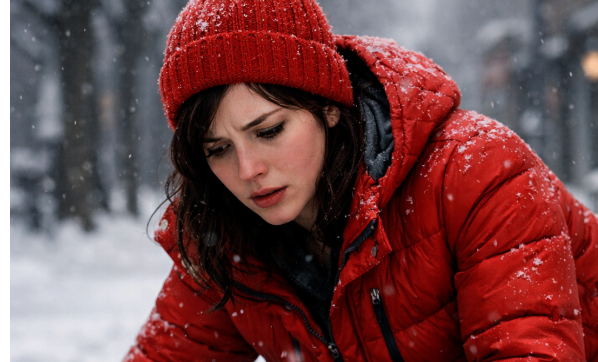
A severe frost struck just on the eve of New Year’s. Before setting off, Marina glanced at the thermometer: minus twenty. But it felt far colder than that.
“What a holiday… It would’ve been better if it had snowed,” she muttered, loading bags of groceries into the trunk.
The old Niva was her husband Nikolai’s pride and joy. He категорically refused to replace the car, even though financially they had long been able to afford something more modern. Marina dreamed of comfort, but he always gave the same answer:
“A Niva handles rough roads better than any foreign car.”
There was no point arguing about it anymore. It seemed they would still be driving that same car in old age.
They were both already past sixty, but Marina did not feel old. They were still energetic and had no serious illnesses. Despite her age, Nikolai’s mother had invited them to celebrate New Year’s at her place. As usual, getting ready took longer than expected—first the children came in the morning with holiday greetings, then they brought the grandchildren over.
Nikolai grumbled that they were leaving too late. But how could they go without treats? His mother loved good food, especially on holidays. At the last minute Marina was rushing around the supermarket, and the clock was already showing nearly nine in the evening.
“Can you feel how the frost is getting stronger?” she said, closing the trunk.
“And time is flying! We still have a two-hour drive ahead of us! What are you even thinking about, Marina?” her husband snapped irritably.
“And what was I supposed to do? Someone had to hint to our son that we weren’t babysitters today!”
She was grumbling more out of habit than anything else. In truth, even if Nikolai had refused, she herself would have insisted on keeping the grandchildren. For her, that was sacred.
They set off, still hoping they would make it by midnight.
The highway was almost empty. Usually Marina worried about his speed, but this time she stayed silent, only occasionally glancing at the speedometer. She understood that if they were late, she would be the one blamed. Nikolai kept his eyes fixed on the road, adjusting his glasses from time to time. His eyesight was the only thing that troubled him—in every other way, he still felt strong.
But suddenly Marina noticed that he had begun rubbing his chest and breathing heavily.
“Kolya, what’s wrong? Are you feeling sick?” she asked anxiously.
“It’s nothing… Just some pressure on the left side,” he replied.
“That’s your heart! Let’s stop!”
“Marina, don’t exaggerate. We’ll be there soon.”
A few kilometers later, they saw a woman frantically waving her arms beside a red foreign car.
“Looks like she’s in trouble,” Nikolai said, slowing down.
“Don’t stop, Kolya! We’re already running late!” Marina said nervously.
But he stopped anyway.
The woman, around forty years old, was trembling from the cold. She was wearing only a thin coat.
“My tire’s flat… I don’t know what to do. Do you have a spare?” she asked.
“Yes. Do you have any tools?” Nikolai asked.
“No… And I don’t know how to change it myself…”
Marina could not hold back:
“How can you drive alone and not know anything? And in a coat like that, too!”
The woman apologetically explained that she had been standing there for over an hour.
Despite his wife’s irritation, Nikolai calmly began changing the tire.
“Kolya, we’re not going to make it in time!” Marina kept complaining.
“Go sit in the car,” he said sharply. “I’ll take care of it.”
The job did not take long, but it became clear—they definitely would not make it by midnight now.
Nikolai got back behind the wheel, rubbed his hands together, and drove on.
“So, did you help her? Then why isn’t she driving off?” Marina continued.
“She will… let the engine warm up.”
He fell silent. Again he started clutching his chest, breathing harder and harder.
The lights of the city had already appeared ahead when suddenly the car skidded. Nikolai barely managed to regain control and stop.
“I feel very bad, Marina…” he whispered, and helplessly collapsed onto the steering wheel.
A bitter frost struck right on the eve of New Year’s. Before leaving, Marina glanced at the thermometer: minus twenty. But it felt much colder.
“What a holiday… It would be better if it snowed instead,” she muttered as she loaded bags of groceries into the trunk.
The old Niva was a source of pride for her husband, Nikolai. He flatly refused to replace the car, even though they had long since been able to afford something more modern. Marina dreamed of comfort, but he stubbornly repeated:
“The Niva has better off-road capability than any foreign car.”
Arguing with him was pointless—it seemed they would still be driving it in their old age.
They were both already past sixty, but Marina did not feel old. Both were in good shape, with no serious health problems. Nikolai’s mother, despite her age, had invited them to celebrate New Year’s at her place. As usual, getting ready took too long—since morning, the children had been coming by with greetings, then the grandchildren were brought over.
Nikolai grumbled that they were leaving too late. But how could they go without treats? His mother loved good food, especially on holidays. At the last moment Marina was rushing around the store, and the clock was already showing almost nine in the evening.
“Do you feel how cold it is? It seems even worse now,” she said.
“And time is flying! We still have a two-hour drive ahead of us! What are you even thinking about, Marina?” her husband answered раздражённо.
“And what could I do? Someone had to hint to our son that today we are not babysitters!”
Marina was grumbling more for show than anything else. In truth, even if Nikolai had insisted, she would have been the first to refuse—her grandchildren meant everything to her.
They set off, hoping to make it before midnight.
The road was almost empty. Usually Marina was afraid of speed, but now she said nothing, only glancing at the speedometer from time to time. She understood that if they were late, she would be the one blamed. Nikolai watched the road carefully, adjusting his glasses now and then. His eyesight was the only thing that worried him—in every other way he still felt strong.
Then Marina suddenly noticed that he was rubbing his chest and breathing with difficulty.
“Kolia, what’s wrong with you? Are you feeling bad?” she asked anxiously.
“It’s nothing… Just a tightness on the left side,” he replied.
“That’s your heart! Let’s stop!”
“Marina, don’t work yourself up. We’ll get there, and everything will be fine.”
A few kilometers later, they saw a woman desperately waving her arms beside a red car.
“Looks like she’s in trouble,” Nikolai said, beginning to brake.
“Don’t stop, Kolia! We’ll be late!” Marina said nervously.
But he stopped anyway.
The woman, about forty years old, was shivering from the cold. She was wearing only a thin coat.
“My tire’s flat… I don’t know what to do. Do you have a spare?” she asked.
“I do. Do you have any tools?” Nikolai asked.
“No… and I don’t know how to change it…”
Marina could not hold back:
“How can you drive alone and not know anything? And in a coat like that too!”
The woman guiltily explained that she had already been standing there for more than an hour. Nikolai, ignoring his wife’s displeasure, started changing the wheel.
“Kolia, we won’t make it in time!” she kept saying.
“Go sit in the car,” he replied sharply. “I’ll finish this, and then we’ll go.”
He managed the job quickly, but it was already clear that they would not make it by midnight.
Nikolai got behind the wheel, rubbed his hands together, and drove off.
“Well, did you help her? And why isn’t she driving?” Marina would not let up.
“She will… let the engine warm up.”
He fell silent. Again, he was holding his chest, breathing more and more heavily.
The lights of the town were already visible ahead when suddenly the car skidded. Nikolai managed to stop it.
“I feel very bad, Marina…” he whispered and collapsed onto the steering wheel.
In panic, Marina rushed to him.
“Kolia! Can you hear me?!”
He was not breathing. She threw open the door and started shaking him. At that moment, the same red car stopped beside them.
“What happened?” the woman ran up.
“He was breathing heavily… It’s his heart…” Marina answered, confused.
The woman quickly pulled out her phone and checked his breathing.
“He’s not breathing. We need to get him out and lay him on the ground. Help me!”
“What?! He’ll freeze!” Marina cried out, but she was already helping.
They laid Nikolai right on the snow.
“Call an ambulance!” the woman shouted.
With trembling hands, Marina dialed the number, while the woman was already unzipping Nikolai’s jacket and starting chest compressions and rescue breathing.
“Do you know what you’re doing? Are you a doctor?” Marina whispered.
“I’m a resuscitation specialist. I’ll pull him through. It’s New Year’s Eve, after all… a miracle has to happen tonight!”
The ambulance arrived quickly. Once inside, it became clear that Nikolai had started breathing again.
“Everything was done correctly. You saved him,” said the paramedic.
“I knew what I was doing. I’m from the First City Hospital. Take him there—I’ll follow behind.”
On January first, Marina sat in the hospital room beside her husband. During the night she had not moved away from the intensive care unit doors. In the morning they told her the danger had passed. Nikolai had regained consciousness.
“Kolia, are you allowed to eat anything?” she fussed.
“Wait… Did it just seem to me, or did that woman come in here? In a white coat?”
“Yes, it was her. Irina Viktorovna, the doctor. She saved you. You weren’t breathing… Kolia, it was terrifying. Thank God she didn’t drive away before we did. She’s your guardian angel.”
Nikolai looked at her quietly.
“And what if I hadn’t stopped? Like you wanted?”
“Don’t say that, Kolia… It’s frightening even to think how it all might have ended…” Marina whispered.