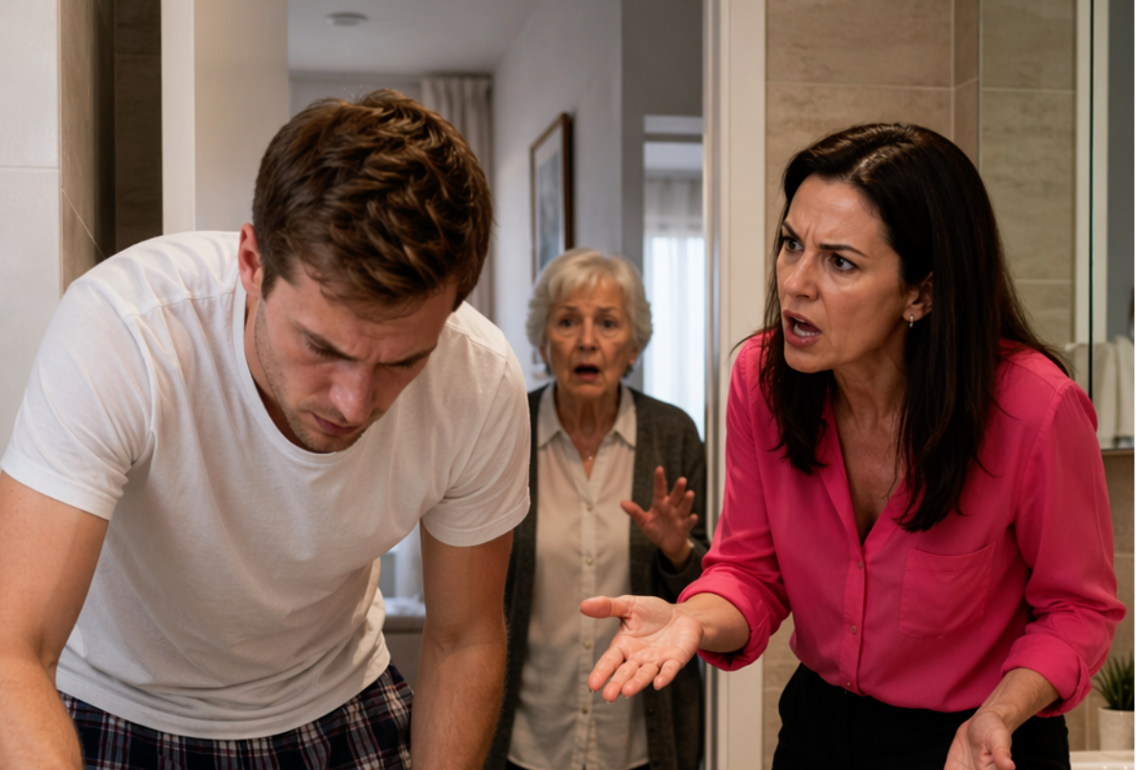
— Your mother is nothing to me, and I’m not going to clean her place! If you want to, go there yourself and scrub her toilet!
Marina wiped her hands on the kitchen towel and looked at her phone. Friday, six in the evening. In fifteen minutes Dima would come home from work, and she already knew what he would say. She knew it with the same certainty with which she knew the sun would rise tomorrow.
“Mom called. She says she’s feeling really bad. Maybe we should go over tomorrow?”
Marina closed her eyes and took a deep breath. Four weekends in a row. Four Saturdays when they had gotten up at eight in the morning, driven across the entire city to Galina Petrovna’s place, and Marina had scrubbed her three-room apartment until evening while her mother-in-law sat on the sofa and gave orders.
“Marinochka, did you wash the corners? And behind the fridge? When was the last time you cleaned the windows?”
The previous Saturday had been especially difficult. Galina Petrovna had met them at the door, leaning against the doorframe, her face theatrically pale.
“Dimochka, my son, I feel so awful. My blood pressure keeps jumping, my heart is pounding. I’m afraid it might be something serious.”
Dima immediately rushed to his mother, sat her down on the sofa, brought her water and pills.
“Mom, did you call the doctor?”
“I did. He said to come in for an appointment on Monday. But I don’t know if I’ll live that long…” Galina Petrovna pressed a hand to her heart and looked mournfully at her son.
Marina stood in the hallway, watching the scene. Two months ago, she would have panicked too and rushed to help. But over those two months, she had learned to notice details. How her mother-in-law “forgot” about her ailments whenever she began excitedly telling her son the latest gossip about the neighbors. How her voice suddenly grew stronger when she commanded, “Marinochka, go wash the toilet for now, and do it properly, with Domestos.”
Marina noticed how color returned to Galina Petrovna’s cheeks when she watched her daughter-in-law on her knees scrubbing the floor. How pleased she smiled when Dima asked, “Mom, do you need anything else? We can stay longer.”
That Saturday, Marina cleaned for almost five hours. Five hours of scrubbing, wiping, polishing, while Dima sat beside his mother and held her hand. While Galina Petrovna told her son how lonely she was, how hard it was to be alone, how important it was to have help from loved ones.
When they finally left, it was already seven in the evening. Marina felt squeezed dry, her back ached, and her hands smelled of bleach. In the car, she tried to talk to Dima.
“Listen, why don’t we hire your mom a cleaner next time? Just someone to come once every two weeks, a proper cleaning service…”
“Marina, are you serious? Mom would be embarrassed to let strangers into her home. And besides, it’s a waste of money. Her pension isn’t big.”
“We can pay for it.”
“Why? We can help ourselves. She’s my mother.”
Your mother, Marina thought then, but said nothing.
The sound of a key in the lock brought her back to the present. Dima came in, kissed her on the cheek, and walked into the kitchen.
“How was your day?” he asked, taking juice from the fridge.
“Fine. Yours?”
“I’m exhausted. By the way…” He took a sip and looked at her. “Mom called.”
Marina felt it. Here it was.
“And what did she say?”
“She says her blood pressure went up again. I’m worried, Marina. Maybe we should go tomorrow and check on her?”
“Dima, we’ve gone to see her every weekend this entire month.”
“So what? She’s my mother. She’s not well.”
“She is well!” Marina burst out. She herself was surprised by the sharpness in her voice.
Dima frowned.
“What do you mean?”
“I mean your mother feels perfectly fine. She’s manipulating you.”
“Marina!” Dima’s voice hardened. “What are you talking about? She has blood pressure problems!”
“She always has something wrong with her right before the weekend. Convenient, isn’t it? On Monday, she miraculously recovers and goes walking in the park with her friends. I saw her on Thursday when I drove past her building. She looked more energetic than I do.”
Dima set the glass down on the table so sharply that juice spilled.
“Are you spying on my mother?”
“I’m not spying! I’ve simply opened my eyes. Dima, think about it. Two months ago she ‘felt bad’ and asked for help cleaning. Once. Then a second time. Now we come every Saturday, and I clean her apartment while she sits there ordering me around!”
“She’s sick, Marina! It’s hard for her to do it herself.”
“She’s healthier than both of us!” Marina’s voice rose. “Last Saturday, when you went to the store, I saw her get up from the sofa and walk perfectly normally, with no weakness at all. And when she heard your footsteps on the stairs, she sat back down and put on that suffering face again!”
“You’re exaggerating.”
“I’m not exaggerating! Dima, I’m tired. I work all week too, and I want to rest on the weekends. I haven’t seen my own parents in two months! It was my mother’s birthday, and I didn’t go because we were at your mother’s!”
Dima paced around the kitchen and ran a hand through his hair.
“Marina, I understand that it’s hard for you. But Mom is alone. She has no one but me.”
“She has friends, neighbors. She’s perfectly socially active!”
“That’s not the same. I’m her son. I have to take care of her.”
“Taking care of her is one thing. Using us as a free cleaning service is another.”
“She’s not using us! God, Marina, what are you even saying? This is basic help for parents!”
“Help is coming over, bringing groceries, sitting with her, talking. Not scrubbing a toilet for five hours!”
“No one is forcing you to scrub for five hours!”
“Oh really? And when I said I was tired and it was time to leave, your mother suddenly ‘felt terribly ill’ and asked us to stay longer. And of course, you agreed!”
A heavy silence fell. Dima looked at his wife, and Marina saw incomprehension in his eyes. He truly didn’t see the problem. To him, it was natural: helping his mother, coming over, doing whatever she asked.
“All right,” Dima finally said. “If it’s so hard for you, you don’t have to go. I’ll go alone.”
“Dima…”
“No, really. I don’t want you going against your will. I’ll go myself and do everything.”
Marina felt a pang of guilt, but immediately pulled herself together. No. She had a right to her weekends. To her life.
“Fine,” she said. “Go alone.”
On Saturday morning, Dima got up at eight, got dressed, and left, barely saying goodbye. Marina heard the front door slam and felt a strange mixture of relief and anxiety.
She made herself coffee and sat on the sofa with a book she hadn’t been able to finish for a month. But the lines blurred before her eyes. She thought about Dima, about his mother, about their relationship.
Galina Petrovna had never accepted her. Marina had felt it from the very first meeting. Polite smiles that clearly meant, You’re not good enough for my son. Constant advice on how to cook, how to dress, how to behave.
“Dimochka is used to homemade cutlets, not those pastas of yours.”
“Why do you need such a short skirt? You’re a married woman.”
Marina endured it. For Dima’s sake. Because she loved him and wanted them to have a good family. But now, as her mother-in-law began demanding more and more time, more and more attention, Marina’s patience had run out.
Her phone rang around one in the afternoon. Dima.
“Marina, I need your help.”
“What happened?”
“Mom is really unwell. Her temperature went up, she can barely get out of bed. I called the doctor, but he’ll only come in two hours. Can you come?”
Marina tightened her grip on the phone. A temperature. That was serious. What if she had really been wrong? What if Galina Petrovna truly was ill?
“I’m leaving now.”
She got there in half an hour. She climbed to the fourth floor and rang the doorbell. Dima opened it, his face worried.
“She’s in the bedroom. Lying down.”
Marina entered the apartment. Everything looked the same as it had the week before — clean and tidy. She looked into the bedroom. Galina Petrovna was lying in bed, covered with a blanket.
“Marinochka,” she said weakly. “You came.”
“How are you feeling?”
“Bad, dear. Very bad.”
Marina came closer. Her mother-in-law really did look pale. But…
“Dima said you had a fever?”
“I did. In the morning. Now it seems to have gone down.”
“Let’s take your temperature.”
Galina Petrovna hesitated strangely.
“Oh, never mind, why bother? I can feel it’s gone down.”
“Let’s check anyway.”
Marina brought a thermometer from the medicine cabinet. Galina Petrovna reluctantly took it and put it under her arm. Five minutes later, Marina checked it: thirty-six point six. Normal temperature.
“See, it went down,” her mother-in-law said. “But I’m so weak I can’t get up.”
Marina looked at her carefully. On the nightstand stood a half-finished cup of tea, and beside it lay a newspaper — open, with fresh crosswords, half-solved. Her mother-in-law noticed her gaze and quickly turned away… Continuation just below in the first comment.
Marina wiped her hands on a kitchen towel and glanced at her phone. Friday, six in the evening. In fifteen minutes Dima would come home from work, and she already knew what he would say. She knew it with the same certainty as she knew the sun would rise tomorrow.
“Mom called. Says she’s feeling really bad. Maybe we should go tomorrow?”
Marina closed her eyes and took a deep breath. Four weekends in a row. Four Saturdays when they woke up at eight in the morning, drove across the entire city to Galina Petrovna’s place, and Marina scrubbed her three-room apartment until evening while her mother-in-law sat on the couch giving instructions. “Marinushka, did you clean the corners? What about behind the fridge? When was the last time you wiped the windows?”
Last Saturday had been especially hard. Galina Petrovna met them at the door, leaning against the frame, her face theatrically pale.
“Dimочка, my son, I feel so unwell. My blood pressure is all over the place, my heart is racing. I’m afraid it’s something serious.”
Dima immediately rushed to her, helped her onto the couch, brought water and pills.
“Mom, did you call the doctor?”
“I did. He said to come in on Monday. But I don’t know if I’ll make it…” she pressed a hand to her chest and looked sorrowfully at her son.
Marina stood in the hallway, watching. Two months ago, she would have panicked too, rushed to help. But in those two months, she had learned to notice details. How her mother-in-law would “forget” her ailments the moment she got carried away gossiping about neighbors. How her voice suddenly grew stronger when she commanded: “Marinushka, you can clean the toilet now—and do it properly, with bleach.”
Marina noticed the color returning to Galina Petrovna’s cheeks as she watched her daughter-in-law on her knees scrubbing the floor. Noticed the satisfied smile when Dima asked, “Mom, do you need anything else? We can stay longer.”
That Saturday, Marina cleaned for almost five hours. Five hours of scrubbing, wiping, polishing, while Dima sat beside his mother holding her hand. While Galina Petrovna told him how lonely she was, how hard it was to be alone, how important the help of loved ones was.
By the time they finally left, it was already seven in the evening. Marina was completely drained, her back aching, her hands smelling of chlorine. In the car, she tried to talk to Dima.
“Listen, maybe next time we could hire a cleaner for your mom? Just once every two weeks…”
“Marin, what are you talking about? Mom would be embarrassed to let strangers in. And it’s expensive—her pension is small.”
“We can pay for it.”
“Why? We can help ourselves. She’s my mom.”
Your mom, Marina had thought back then—but stayed silent.
The sound of a key in the lock pulled her back to the present. Dima came in, kissed her cheek, went to the kitchen.
“How was your day?” he asked, taking juice from the fridge.
“Fine. Yours?”
“Exhausting. By the way…” He took a sip and looked at her. “Mom called.”
Marina felt it—here it comes.
“And what did she say?”
“Says her blood pressure went up again. I’m worried, Marin. Maybe we should go tomorrow?”
“Dima, we’ve been going every weekend this entire month.”
“So what? She’s my mom. She’s not well.”
“She’s not unwell!” Marina blurted out, surprised by the sharpness of her own voice.
Dima frowned.
“What do you mean?”
“I mean your mom is perfectly fine. She’s manipulating you.”
“Marina!” his voice hardened. “What are you saying? She has high blood pressure!”
“She always has something right before the weekend. How convenient, right? And by Monday, she’s miraculously better and out walking with her friends. I saw her on Thursday when I drove past her house. She looked more energetic than I do.”
Dima slammed the glass onto the table, spilling juice.
“You’re spying on my mother?”
“I’m not spying! I just opened my eyes. Dima, think about it. Two months ago she felt ‘bad’ and asked for help cleaning. Once. Then again. Now we go every Saturday, and I clean while she sits there and orders me around!”
“She’s sick, Marina! It’s hard for her!”
“She’s healthier than both of us!” Marina’s voice rose. “Last Saturday, when you went to the store, I saw her get up and walk perfectly fine. And when she heard your steps on the stairs, she sat back down and made that suffering face again!”
“You’re exaggerating.”
“I’m not! Dima, I’m tired. I work all week. I want to rest on weekends too. I haven’t seen my parents in two months! My mom had a birthday, and I missed it because we were at your mother’s!”
…
The argument escalated, words cutting deeper and deeper until the air between them turned heavy.
“Fine,” Dima finally said. “If it’s that hard for you, don’t come. I’ll go alone.”
Marina felt a stab of guilt—but forced herself not to give in.
“Okay,” she said quietly. “Go alone.”
The next day everything seemed to confirm her suspicions—and yet shake them at the same time. The “fever” disappeared. The “weakness” didn’t match the steady hands solving crossword puzzles. The “illness” fell apart under the simplest checks.
And the truth exploded.
“She’s lying!” Marina said.
“She’s not!” Dima insisted.
But something had already cracked.
Days later, after separation, silence, and distance, came realization.
Dima showed up at Marina’s parents’ house.
“I’ve been thinking,” he said. “You were right… about some things.”
He told her how he had gone to visit his mother unexpectedly—and found her energetic, working in the garden, laughing.
“She’s not sick,” he admitted quietly. “She’s lonely. And she’s using me.”
Marina took his hand.
“I understand her,” he continued. “But that doesn’t mean I should sacrifice our life.”
He had set boundaries: visits once a month, a cleaning service instead of Marina, and—most importantly—a clear line between his role as a son and his role as a husband.
That evening, when Galina Petrovna called again with a trembling voice—
“Dimочка, I feel so bad…”
Dima didn’t give in.
“Mom, if you’re really unwell, call an ambulance. I can’t come today.”
“But I’m your mother!”
“I know. And I love you. But Marina is my family. You have to accept that.”
A long pause.
Then anger. Accusations. Ultimatums.
But this time, he didn’t bend.
Marina stood by the window, watching the city lights drift past.
She realized something simple, but hard-earned:
A marriage isn’t just love.
It’s boundaries.
It’s choices.
It’s learning to stand together—even when the pressure comes from the people who raised you.
And for the first time in months—
they were finally on the same side.