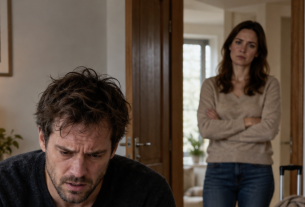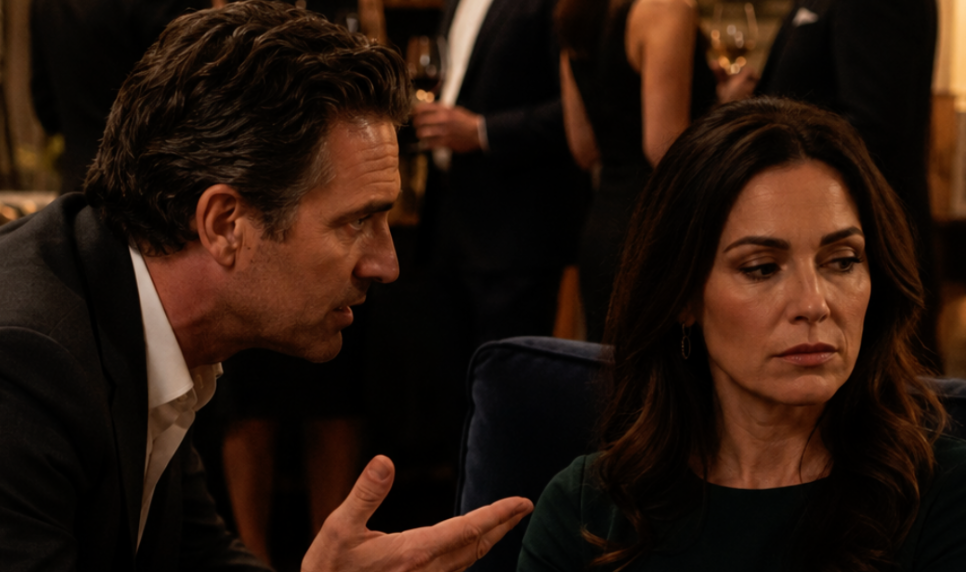
— You have exactly seven days to move out. Don’t forget: this apartment belonged to my father, — her husband said as he filed for divorce.
— If you want to hold a memorial, go ahead. But nobody is canceling my anniversary. I’m turning forty, and it’s my day.
Viktor stopped in the hallway without even unzipping his jacket. The autumn drizzle still clung to his shoulders—a fine rain had been falling all day while they saw his father off to the cemetery. In one hand he held a bag of food containers the neighbors had packed up after the memorial meal; in the other, a folded umbrella in its wet cover.
Svetlana was leaning against the doorframe. The screen of her laptop glowed on the kitchen table—apparently, she had been ordering something before he came home. She was wearing a new burgundy robe she had bought the week before, and the smell of nail polish drifted in from the room.
— We buried my father today, — Viktor said. — The fortieth-day memorial falls exactly on your birthday. November twenty-second.
— So what? — Svetlana shrugged. — The restaurant is booked, everyone has already been invited, and I’ve paid the deposit.
Viktor went into the kitchen, put the containers in the refrigerator, and sat down at the table. He still hadn’t taken off his jacket. He stared out the window at the streetlamp swaying in the wind and found himself thinking not about his father, but about how everything had begun.
Twenty years earlier, he had been twenty-three, working as an assistant engineer at a factory while finishing his degree through correspondence courses. At a friend’s birthday party, he met Svetlana. She was loud and self-assured, the kind of person who could fill an entire room with her presence. She told him she was twenty-five and worked in advertising.
A month later he discovered she was actually twenty-one, and there was no advertising job—she merely put up flyers from time to time for some company.
— Big deal, — she laughed. — It doesn’t matter.
Something else turned out to matter far more.
Four months later, Svetlana called and told him she was pregnant. Viktor proposed marriage. She refused and asked him for money instead. He borrowed from two coworkers and gave it to her.
Ten days later, her father showed up at his door—a stocky man in a leather jacket with a hard, unpleasant stare.
— So you abandoned my daughter? Pregnant?
It turned out Svetlana had given the money to her mother to pay off a debt. She had gone nowhere, and she had told her parents that Viktor had rejected her.
They married three weeks later. There was no celebration; the four of them simply went to the registry office.
After the ceremony, Viktor’s mother quietly asked him:
— Do you know what you’re doing?
Ilya was born. Two years later, Katya followed.
Viktor loved his children immediately and without reservation.
But life with Svetlana became more difficult with every passing year. Arguments could erupt over anything: he came home late from work, bought the wrong kind of cheese, answered a question in the wrong tone.
— I’m leaving, — he would say after evenings like that.
— Go ahead, — Svetlana would reply. — You’ll never see the children again. Not even through the courts. I know how to explain things.
So he stayed.
He stayed for Ilya and Katya, for the way they would run into his room on weekends carrying a tablet and ask him to explain a school problem.
Three days earlier, Svetlana had shown him an estimate on her phone.
— Here, look. I’ve approved the menu. Guests can choose fish or meat for the main course, plus appetizers. Forty people.
Viktor looked at the final amount.
Two hundred and ten thousand rubles.
— Are you serious? — He put the phone down. — Ilya has entrance exams in February. He’s been seeing a math tutor for three months. Katya needs a laptop for school—the old one barely works anymore.
— You’re always like this, — Svetlana said, taking the phone back. — Children, children, children. Am I not a person? You only turn forty once.
— We can celebrate at home. Properly. Without a restaurant.
— At home, — she repeated, in a tone that made it sound as though he had suggested something shameful. — Do you even understand what people will say about me? Last year Nadezhda rented a fifty-seat hall. Her husband made an effort. And what am I supposed to do—sit in the kitchen eating Olivier salad?
— Then take out a loan in your own name.
— I don’t have an official income. You know that. They’ll only approve it in your name.
— No.
— What do you mean, no? — Her voice rose. — I’ve spent twenty years running around like a squirrel in a wheel. Cooking, cleaning, dealing with the school.
Viktor said nothing.
The last time she had cooked a proper dinner was probably back in May. Usually they ate something from packets or ordered delivery.
— I said no, — he repeated. — If you want a party, find a way to pay for it yourself.
— What way? — Svetlana stood up, the chair scraping across the tile. — You were always the one saying the children were little and their mother needed to be there for them!
— Katya is sixteen. Ilya is eighteen.
Katya appeared in the kitchen doorway.
— Dad, are you going to eat? I fried some potatoes.
The night after that conversation, the phone rang at half past three in the morning.
Viktor had become a light sleeper lately. He couldn’t sleep any other way.
It was his father’s neighbor, Nina Pavlovna. She lived across the landing and occasionally checked in on the old man.
— Vitya, I called an ambulance, but you should come too. He’s not doing well.
His father died before the ambulance arrived.
A stroke.
Viktor didn’t make it in time.
The next three days became a blur: the morgue, documents, the death certificate, the funeral office on Rechnaya Street, where he had to sit in line for two hours because someone else’s paperwork was being corrected. A bus, a burial plot at the cemetery, the memorial meal at his aunt’s house.
During those three days, Svetlana barely came out of the bedroom.
When Viktor returned after dealing with the documents, she was sitting with her phone, scrolling through something.
— Sweetheart, write down the address, — she was saying into the phone. — The Almaz Restaurant, second hall. We’re starting at eight. You can dress up, but it’s not too formal.
On the dining table, among the black ribbons intended for the funeral wreaths, lay printed copies of different menu options.
Beside the photograph of Viktor’s father, which he had brought home to put into a mourning frame, there was a sheet showing hairstyle options for Svetlana’s birthday photo shoot.
— Mom, — Ilya stood in the doorway holding his formal jacket. — Do you even understand what’s happening?
“— If you want to hold a memorial, go ahead. But no one is canceling my anniversary. I’m turning forty, and it’s my day.”
Viktor stopped in the hallway without even unbuttoning his coat. The autumn drizzle still clung to his shoulders—a fine rain had fallen all day while they were seeing his father off at the cemetery. In one hand he held a bag of food containers the neighbors had packed up after the memorial meal; in the other, a folded umbrella in its wet cover.
Svetlana stood leaning against the doorframe. The laptop screen glowed on the kitchen table—apparently, she had been ordering something before he came home. She was wearing a new burgundy robe she had bought the week before, and the smell of nail polish drifted in from the room.
“We buried Dad today,” Viktor said. “The fortieth-day memorial falls exactly on your birthday. November twenty-second.”
“So what?” Svetlana shrugged. “The restaurant is booked, everyone has been notified. I already paid the deposit.”
Viktor went into the kitchen, put the food containers in the refrigerator, and sat down at the table. He still didn’t take off his coat. He stared through the window at the streetlight swaying in the wind and found himself thinking not about his father, but about how everything had begun.
Twenty years earlier, he had been twenty-three, working as an assistant engineer at a factory while finishing his degree through correspondence courses. At a friend’s birthday party, he met Svetlana. She was loud, self-assured, and had a way of filling every room with her presence. She told him she was twenty-five and worked in advertising.
A month later, he discovered she was actually twenty-one and had nothing to do with advertising—she merely put up flyers for a small company from time to time.
“What difference does it make?” she laughed. “It’s not important.”
Something else turned out to be much more important.
Four months later, Svetlana called and told him she was pregnant. Viktor proposed marriage, but she refused and asked for money instead. He borrowed from two coworkers and gave it to her.
Ten days later, her father rang Viktor’s doorbell—a stocky man in a leather jacket with a cold, unpleasant stare.
“So you abandoned my daughter? Pregnant?”
It turned out Svetlana had given the money to her mother to pay off a debt. She had never gone anywhere and had told her parents that Viktor had abandoned her.
Three weeks later, they registered their marriage. There was no celebration; the four of them simply went to the registry office.
After the ceremony, Viktor’s mother quietly asked him:
“Do you know what you’re doing?”
Ilya was born. Two years later, Katya followed.
Viktor loved the children immediately and without reservation.
Life with Svetlana, however, became more difficult with every passing year. Arguments erupted over anything: he came home late from work, bought the wrong kind of cheese, answered a question in the wrong tone.
“I’m leaving,” he would say after evenings like that.
“Go ahead,” Svetlana would reply. “You’ll never see the children again. Not even through the courts. I know how to explain things.”
And he stayed.
For Ilya and Katya. For the way they would run to him on weekends with a tablet in their hands and ask him to explain a school problem.
Three days earlier, Svetlana had shown him an estimate on her phone.
“Look. I’ve approved the menu. Main course—fish or meat, plus appetizers. Forty people.”
Viktor looked at the total.
Two hundred and ten thousand rubles.
“Are you serious?” He put the phone aside. “Ilya has entrance exams in February. He’s been seeing a math tutor for three months. Katya needs a laptop for school—the old one barely works.”
“You’re always like this.” Svetlana took the phone back. “The children, the children, the children. What about me? Am I not a person? You only turn forty once.”
“We can celebrate at home. Properly. Without a restaurant.”
“At home,” she repeated in a tone that made it sound as though he had suggested something indecent. “Do you even understand what people will say about me? Nadezhda rented a fifty-seat hall last year. Her husband made an effort. And what am I supposed to do—sit in the kitchen eating Olivier salad?”
“Then take out a loan in your own name.”
“I don’t have an official income. You know that. They’ll only approve it for you.”
“No.”
“What do you mean, no?” Her voice rose. “I’ve spent twenty years running around like a hamster in a wheel. Cooking, cleaning, dealing with school.”
Viktor said nothing.
The last time she had cooked a proper dinner had probably been in May. Usually, they ate something from packages or ordered delivery.
“I said no,” he repeated. “If you want a party, find a way to pay for it yourself.”
“What way?” Svetlana stood up, the chair scraping across the tile. “You were the one who always said the children were little and their mother needed to be around!”
“Katya is sixteen. Ilya is eighteen.”
Katya appeared in the kitchen doorway.
“Dad, are you going to eat? I fried some potatoes.”
The following night, after that conversation, Viktor’s phone rang at three-thirty in the morning.
He had become a light sleeper lately.
It was his father’s neighbor, Nina Pavlovna. She lived across the landing and occasionally checked on the old man.
“Vitya, I called an ambulance, but you should come too. Something’s wrong with him.”
His father died before the paramedics arrived.
A stroke.
Viktor didn’t make it in time.
The next three days were consumed by the morgue, paperwork, the death certificate, the funeral home on Rechnaya Street, where he had to sit for two hours because of someone else’s paperwork problem. Then there was the bus, the cemetery plot, and the memorial meal at his aunt’s house.
During those three days, Svetlana barely came out of the bedroom.
When Viktor returned after arranging the paperwork, she was sitting with her phone, scrolling through something.
“Sweetie, write down the address,” she was saying into the phone. “The Almaz restaurant, second hall. We start at eight. Dress nicely if you want; there’s no strict dress code.”
On the dining table, among black ribbons intended for the funeral wreaths, lay printed copies of possible restaurant menus.
Beside his father’s photograph, which Viktor had brought home to put into a mourning frame, was a sheet showing hairstyle options for Svetlana’s anniversary photo shoot.
“Mom,” Ilya said from the doorway, holding his formal jacket. “Do you even understand what’s happening?”
“I do. Grandpa died, and that’s a tragedy. But it has nothing to do with my celebration.”
On the third day, while sorting through his father’s documents, Viktor opened the calendar on his phone.
The fortieth-day memorial would be November twenty-second.
Svetlana’s birthday was also November twenty-second.
“You’ll have to move the anniversary party,” he told her that evening. “At least by a week. That day, we’re remembering my father.”
Svetlana didn’t look up from her phone.
“The deposit is nonrefundable. Guests have already bought tickets. Masha is flying in from Yekaterinburg.”
“Mom!” Katya raised her voice, something she rarely did. “It’s Grandpa. Dad’s father.”
“Katya, I understand you. But I’m not going to cancel something I’ve been preparing for six months just because the dates happen to coincide. Nothing can help the dead anymore.”
Ilya walked over to his father and stood beside him.
“Dad, Katya and I aren’t going to that party. It wouldn’t be right.”
“Then don’t come!” Svetlana threw her phone onto the sofa, then immediately picked it up again to check the screen. “I’ll manage without you.”
On the morning of November twenty-second, Viktor got up before everyone else.
He put the kettle on, took out some bread, and sliced cheese.
His mind felt unusually quiet. There was no wavering, no “what if,” only a calm understanding that the day had already been decided.
Svetlana came into the kitchen at around ten. Her hair was styled, her nails were freshly painted, and a shopping bag containing her shoes stood beside the coat rack.
“I booked a taxi for seven,” she announced while pouring herself coffee. “You don’t have to wait for me.”
“You’re sure you haven’t changed your mind?” Viktor asked.
“Oh God, you sound like a broken record. No, I haven’t.”
The children were sitting in the living room. Katya held a framed photograph of her grandfather. Ilya was packing a bag—kutya, pancakes, and a bottle of vodka their aunt had asked them to bring.
“Let’s go,” Viktor said.
At seven-thirty, the three of them were sitting around the table at Aunt Valentina’s.
Several other people had come: Viktor’s father’s cousin, Nina Pavlovna and her husband, and his father’s old friend, Uncle Gena.
They spoke quietly, remembering different things—how Viktor’s father had helped everyone repair their cars, how he had taught Ilya to hammer in nails, how every New Year he brought the children mandarins in a net bag.
Viktor’s phone vibrated several times.
He turned it face down.
“Dad.” Ilya nodded toward the phone.
“Later.”
Uncle Gena raised his glass.
“He was a good man. A real man.”
After midnight, when the guests had left, Viktor finally picked up his phone.
Four messages from Svetlana:
“Only twelve people out of forty showed up.”
“Masha didn’t come. Her flight was rescheduled.”
“Where are all of you?”
“You did this on purpose, didn’t you?”
He put the phone back in his pocket.
Katya was helping her aunt wash the dishes. Ilya was folding chairs.
In the morning, Viktor would file for divorce.
He already knew which public service office he needed to go to.
Svetlana called the next morning while Viktor was frying eggs for the three of them.
He put her on speakerphone. The children were already in the kitchen.
“You deliberately told the guests not to come! Half of them didn’t show up!” Her voice was hoarse. She clearly hadn’t slept.
“Svetlana, I’m filing for divorce. I already made an appointment at the public service center.”
There were about five seconds of silence.
“Have you completely lost your mind? I’ll take the children. And we’ll divide the apartment—I’m entitled to half.”
“The apartment passed to me through my father’s will,” Viktor said, taking the frying pan off the stove. “It’s inherited property. It isn’t divided in a divorce. You can ask any lawyer.”
“Mom, I’m staying with Dad,” Katya said. “I’m sixteen. I’m old enough to choose.”
“So am I,” Ilya added. “I’m already nineteen, in case you forgot.”
“He turned you against me!” Svetlana’s voice rose again.
“You have a month to pack your things,” Viktor said. “I’m not rushing you, but let’s do this without any scandals.”
She kept talking—about all the years they had spent together, about how unfair everything was, about how he owed her for everything.
Viktor pressed “End Call” and divided the eggs among the plates.
Then he looked at the photograph of his father that Katya had placed on the shelf the day before.
“Everything’s okay, Dad.”
The divorce proceedings lasted seven months.
Svetlana hired a lawyer and demanded a share of the apartment, the car, and monthly payments for her own support. In the lawsuit, the latter was described as “compensation for maintaining the household.”
At one of the hearings, she cried quite convincingly.
“I gave everything to this family. Twenty years. And they threw me away like I was nothing.”
The judge went through the documents.
The apartment had been inherited by Viktor: a notarized will, a certificate of inheritance, and an official property registry extract.
There was no realistic way to challenge it.
Katya submitted a statement saying she wanted to live with her father.
By then, Ilya had already rented a room near the college he had entered in September.
“You turned the children against their mother,” Svetlana told Viktor in the courthouse corridor.
Ilya zipped up his jacket.
“Mom, we saw everything ourselves. Nobody turned us against anyone.”
The court rejected Svetlana’s claims regarding the apartment and the car.
Instead, it ordered her to pay child support for Katya. The amount was small, but she still had to pay it.
Svetlana moved in with her mother in the Moscow region. At first, she complained endlessly to her friends. Then the phone calls became less frequent, and eventually they almost stopped altogether.
Viktor remained in his father’s apartment—now legally his own.
In the evenings, he and Katya cooked dinner together. Sometimes Ilya came over and brought something from the store.
One Sunday, the three of them went to the cemetery to clean the grave and replace the flowers.
“Dad,” Katya asked on the way home while they were riding the subway, “do you regret that everything turned out this way?”
Viktor looked at his daughter.
Then he looked at Ilya, who was scrolling through something on his phone while simultaneously eating a pastry he had bought at the station.
“I regret that Grandpa didn’t live longer,” he replied. “As for everything else—no.”
Sometimes the hardest decision turns out to be the only right one.
It simply takes something to finally push you toward it—and unfortunately, sometimes that something is a loss that can never be undone.