My husband’s family came “the way family should.” I acted “the way one should,” too!
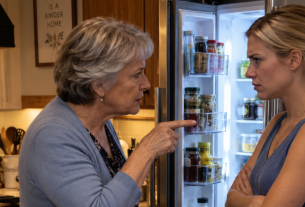
I froze with a tray in my hands, feeling a chill of foreboding run down my spine — the kind that warns of major trouble. In the doorway of the Panorama restaurant, where I worked as the senior shift manager, appeared a procession that looked like a traveling gypsy camp on the move, only instead of bears they had brought their arrogance. At the head of it, floating in her famous leopard-print fur coat, was my mother-in-law, Inga Sergeyevna. Behind her came my sister-in-law Lyusya, her face rosy from the cold, and my husband’s cousin Vityok — a thirty-year-old “businessman still searching for himself.”
They hadn’t come just to have dinner. They had come to visit “one of their own.” And that, as everyone knows, is worse than a tax audit.
“Polina!” Inga Sergeyevna barked across the entire dining room, ignoring the hostess. “We decided to surprise you! Pasha said you were working today, so we thought, why sit at home? We should come check on our daughter-in-law and, so to speak, assess the level of service.”
She shrugged off her coat into the hands of the cloakroom attendant who rushed over, without even glancing at him, and headed straight for the most expensive table by the panoramic window, the one with the “Reserved” sign on it.
“Inga Sergeyevna, that table is taken,” I said, walking over to them and trying to keep a straight face. “We’re fully booked. It’s Friday night.”
“Oh, stop it,” Lyusya waved me off, plopping down onto the velvet sofa. “You can move some fat cats around for family. We’re not strangers. Bring us the menus, and quickly — Vityusha is hungry.”
The conflict began immediately, sharply, without prelude. They didn’t ask — they took. I caught the administrator Artur’s eye. He raised an eyebrow, but I nodded: My problem, I’ll handle it.
“Fine,” I said through clenched teeth, removing the reserved sign — the clients still hadn’t confirmed the table anyway. “But just so you know, the kitchen is overloaded tonight. Hot dishes will take forty minutes.”
“That’s fine, we’ll wait with some wine,” Inga Sergeyevna said, sprawling in her chair and surveying the room like a Michelin inspector. “Bring us a bottle of something expensive, dear. And appetizers. The very best. We need to know what our Polina is poisoning guests with.”
She let out a snicker, and Vityok and Lyusya eagerly joined in.
I silently handed out the menus. The prices at Panorama bite, and I hoped the right-hand column with the numbers would cool their enthusiasm. But I had underestimated the power of the word free.
“I’ll have the ribeye steak, medium rare,” Vityok announced without even looking at the menu. “And the Kamchatka crab salad.”
“I’ll take the duck breast and this… fricassee,” Lyusya said, stabbing a finger at the menu. “And bring dessert right away too.”
“And I think I’ll have the grilled dorado and a bottle of Chianti,” my mother-in-law concluded.
I stood there with my order pad, feeling irritation start to boil inside me.
“Inga Sergeyevna,” I said quietly but firmly, “the Chianti Classico is eight thousand a bottle. Maybe I should bring the house wine instead? It’s excellent.”
My mother-in-law gave me a nasty look and rolled her eyes, drawing the attention of the neighboring table.
“Polina, are you counting our money now? Or do you think we can’t afford a cultured evening out?” She pursed her lips, playing the insulted aristocrat. “Don’t embarrass us. In decent society, people don’t talk about money. It’s mauvais ton.”
“Speaking of mauvais ton,” Inga Sergeyevna decided to show off her sophistication, loudly tapping her fork against her wineglass, “I read that real red wine should be served at room temperature, and you’ve got the air conditioners blasting in here. I hope you warmed it up? Otherwise the bouquet won’t open — any sommelier will tell you that.”
“Inga Sergeyevna, red wine is served at 16 to 18 degrees Celsius. The only thing people ‘warm up’ is mulled wine at a kiosk by the train station,” I replied calmly with an icy smile as I set out the cutlery.
My mother-in-law nearly choked on air, blotched red, and grabbed at her napkin in a panic, trying to hide her embarrassment. She looked like an inflated toad that had just been handed a French menu.
I went back to the kitchen to put the order through. The bill had already passed twenty thousand. Inside me, two feelings were at war: professionalism and the urge to dump a gravy boat over their heads. But I knew my husband well. Pavel couldn’t stand rudeness — even from his own mother. I pulled out my phone and quickly typed a message: They’re here. Table 5. Ordering like it’s the end of the world. Come over, the circus is starting.
The reply came instantly: I’ll be there in 20 minutes. Hang in there, love.
When I returned to the dining room, I saw that their level of audacity had risen. They already felt like masters of the universe. Lyusya was loudly discussing my appearance.
“I mean, just look at her,” she said, chewing on a breadstick. “Running around, fussing. She could’ve found a normal job, in an office. But no, she works like a servant: ‘What would you like, sir?’ I could never do that. I have my pride.”
“Lyusya, not everyone can be a cosmetics sales manager in chat groups,” I shot back, placing her plate in front of her. “Some people actually have to earn real money instead of collecting likes.”
Lyusya choked but said nothing. Then Inga Sergeyevna stepped in. The wine had gone to her head, and she decided it was time to start crossing boundaries.
“Hey, girl!” she shouted at me across half the dining room, snapping her fingers. Yes, actually snapping them, like at a dog. “We’re out of napkins! And pour more wine — what are you standing there for?”
Guests at the neighboring tables began to turn around. Heat flushed through me with shame, but not for myself — for them. It was a deliberate, nasty public humiliation. She wanted to show everyone who was in charge here. That I was nobody, just service staff, even if I was her son’s wife.
I walked over slowly, my back straight.
“Inga Sergeyevna,” I said in an icy tone, “people do not snap their fingers in a restaurant. This is not a racetrack, and you are not at the races.”
“Oh, look how delicate we are!” she snorted. “The customer is always right, remember that, sweetheart. And where is our hot food anyway? Vityusha has already eaten all the bread. Get moving, and tell the chef to make the portions bigger — after all, we’re family.”
Vityok, his mouth stuffed with free butter, decided to support his mother with some expert commentary:
“In proper establishments, they bring you a complimentary treat from the chef right away. Caviar or profiteroles or something. It’s the law of hospitality. I know business.”
“Vitya, the only business you ‘know’ is reselling grandma’s china on Avito. And a complimentary treat from the chef is something you earn — not beg for,” I replied with a smile, taking away the empty bread basket.
Vityok froze with his mouth open, a piece of roll falling out of it, and blinked helplessly, unable to think of a response. He looked like a hamster that had suddenly had its winter stash taken away.
Dinner was drawing to a close. The table was covered in empty plates. They had eaten everything. The dorado, the steaks, the salads, two desserts each. The bottle of Chianti was empty. I watched them sit there, full and satisfied, unbuttoning their clothes…
To be continued just below in the first comment.
I froze with a tray in my hands, feeling a chill of foreboding run down my spine. In the doorway of Panorama, the restaurant where I worked as shift supervisor, appeared a procession that looked like a traveling gypsy camp—only instead of bears, they had brought their arrogance. At the head of it, gliding along in her trademark leopard-print fur coat, was my mother-in-law, Inga Sergeyevna. Trailing behind her were my sister-in-law, Lyusya, her cheeks pink from the cold, and my husband’s cousin, Vitek—a thirty-year-old “businessman still searching for himself.”
They hadn’t come just to have dinner. They had come to see “one of their own.” And that, as everyone knows, is worse than a tax audit.
“Polina!” Inga Sergeyevna barked across the whole dining room, ignoring the hostess. “We decided to surprise you! Pasha said you were working today, so we thought, why sit at home? We should check on our dear daughter-in-law and, so to speak, assess the level of service.”
She shrugged off her coat into the hands of the rushing cloakroom attendant without even looking at him and headed straight for the most expensive table by the panoramic window, the one with the “Reserved” sign on it.
“Inga Sergeyevna, that table is taken,” I said, walking over and trying to keep a straight face. “We’re fully booked tonight. It’s Friday evening.”
“Oh, come on,” Lyusya waved me off, dropping onto the velvet sofa. “You can move some rich fat cats around for family. We’re not strangers. Bring us the menu—and quickly, Vityusha is hungry.”
The conflict started immediately—sharp, abrupt, without any prelude. They didn’t ask. They took. I caught the administrator Artur’s взгляд. He raised an eyebrow, but I nodded: My problem. I’ll handle it.
“Fine,” I said through clenched teeth, removing the reserved sign—the guests hadn’t confirmed the table anyway. “But I’m warning you, the kitchen is overloaded tonight. Hot dishes will take about forty minutes.”
“That’s all right, we’ll wait over some wine,” Inga Sergeyevna said, sprawling arrogantly in her chair and looking around the dining room like a Michelin inspector. “Bring us a bottle of something expensive, sweetheart. And appetizers. The best ones. We have to know what our Polina poisons her guests with.”
She let out a little cackle, and Vitek and Lyusya eagerly joined in.
I silently handed out the menus. Prices at Panorama were steep, and I hoped the right-hand column of numbers might cool their enthusiasm. But I had underestimated the power of the word free.
“I’ll have the ribeye steak, medium rare,” Vitek announced without even looking at the menu. “And the Kamchatka crab salad.”
“I’ll take the duck breast and this… fricassee,” Lyusya said, stabbing her finger at the page. “And bring dessert right away.”
“And I suppose I’ll have the grilled dorado and a bottle of Chianti,” my mother-in-law concluded.
I stood there with my notepad, feeling irritation boil inside me.
“Inga Sergeyevna,” I said quietly but firmly, “the Chianti Classico is eight thousand rubles a bottle. Maybe I should bring the house wine instead? It’s excellent.”
My mother-in-law gave me a malicious stare and rolled her eyes dramatically, making sure the neighboring table noticed.
“Polina, are you counting our money now? Or do you think we can’t afford a cultured evening out?” She pursed her lips, playing the insulted aristocrat. “Don’t embarrass us. In decent society, one does not talk about money. It’s mauvais ton.”
“Speaking of mauvais ton,” Inga Sergeyevna continued loudly, tapping her fork against her glass to show off her “education,” “I read that real red wine should be served at room temperature, and you’ve got the air conditioners blasting in here. I hope you warmed it up? Otherwise the bouquet won’t open. Any sommelier would tell you that.”
“Inga Sergeyevna, red wine is served at 16 to 18 degrees Celsius. The only thing people ‘warm up’ is mulled wine at a kiosk by the train station,” I replied calmly, with an icy smile, as I set the cutlery down.
She nearly choked on air, flushed in blotches, and grabbed at her napkin in a panic, trying to hide her embarrassment. She looked like a puffed-up toad that had suddenly been shown a French menu.
I went into the kitchen and rang up the order. The bill had already gone past twenty thousand rubles. Inside me, two feelings were fighting: professionalism and the urge to pour a gravy boat over their heads. But I knew my husband. Pavel couldn’t stand arrogance, not even from his own mother. I took out my phone and quickly typed: They’re here. Table 5. Ordering like it’s their last meal. Get here, the circus is starting.
His reply came instantly: I’ll be there in 20 minutes. Hang in there, love.
When I came back into the dining room, I saw that their level of audacity had risen even higher. They were already acting like they owned the place. Lyusya was loudly discussing my appearance.
“Honestly, just look at her,” she said, chewing on a breadstick. “Running around, fussing. She could’ve found a normal office job. Instead she’s basically a servant: ‘what would you like, sir?’ I could never do that. I have too much pride.”
“Lyusya, not everyone can be a cosmetics sales manager in chat groups,” I shot back, placing a plate in front of her. “Some people actually have to earn real money instead of collecting likes.”
Lyusya choked but kept quiet. Instead, Inga Sergeyevna stepped in. The wine had gone to her head, and she decided it was time to start crossing lines.
“Hey, girl!” she shouted across half the restaurant at me, snapping her fingers. Yes—actually snapping her fingers, like you would at a dog. “We’re out of napkins! And pour more wine, why are you standing there frozen?”
Guests at nearby tables started turning around. Heat rushed into my face with shame—but not for myself. For them. It was public humiliation, deliberate and nasty. She wanted to show everyone who was in charge. That I was nobody, just staff, even if I was her son’s wife.
I approached slowly, my back straight.
“Inga Sergeyevna,” I said in an icy tone, “people do not snap their fingers in a restaurant. This is not a racetrack, and you are not at the races.”
“Oh, look how delicate we are,” she snorted. “The customer is always right, remember that, sweetheart. And anyway, where’s our hot food? Vityusha has already eaten all the bread. Hurry up, and tell the chef to make the portions bigger—we’re family, after all.”
Vitek, his mouth full of complimentary butter, decided to support his mother with an “authoritative” opinion.
“In proper establishments, they bring a compliment from the chef right away. Caviar or profiteroles or something. It’s the law of hospitality. I know business.”
“Vitya, the only business you ‘know’ is reselling your grandmother’s china on Avito. And a compliment from the chef is something you earn, not something you beg for,” I said with a smile, removing the empty bread basket.
Vitek froze with his mouth hanging open, a piece of roll falling out, blinking in confusion because he couldn’t think of a comeback. He looked like a hamster that had suddenly had its winter stash taken away.
Dinner was drawing to a close. The table was covered in empty plates. They had eaten everything: dorado, steaks, salads, two desserts each. The bottle of Chianti was empty. I could see them sitting there, stuffed and satisfied, unbuttoning their clothes.
Then came the moment of truth. I printed the bill.
Total: 38,450 rubles.
I placed the leather bill folder on the edge of the table.
“Your check,” I said evenly.
Silence fell. Inga Sergeyevna stared at the folder as if it were a dead rat.
“What check, Polina?” she laughed in a shrill, nervous voice. “You’re joking, right? We came to see you! We’re family! Pasha knows!”
“Pasha knows that you came for dinner,” I nodded. “A restaurant is a business. Food costs money. Rent, electricity, chefs’ salaries.”
“You’re seriously going to squeeze money out of your own husband’s mother?” Lyusya shrieked, jumping to her feet. “Have you no shame at all? We thought you were treating us! Like family!”
“Treating you?” I raised an eyebrow. “I work here as a waitress, not as the owner. I do not have the right to hand out forty thousand rubles’ worth of food for free. Please pay. Card or cash?”
The scandal escalated instantly. Inga Sergeyevna turned crimson.
“I’m calling my son! He’ll deal with you! He invited us, so he can pay! You’re just greedy, petty little witch! Trying to profit off family!” she screamed, attracting the attention of the entire restaurant. “Get me the manager! I’m filing a complaint!”
At that very moment, the front door opened. Pavel stood in the doorway. Tall, handsome, in his best suit. He looked like a Hollywood hero who had come to save the world—or punish sinners.
“Pavlik!” Inga Sergeyevna wailed, rushing toward him. “Your wife has gone mad! She’s demanding money from her own mother-in-law for a piece of fish! Look at her! We just came to visit, and she’s shoving a bill at us!”
Pavel gently moved his mother aside. He came over to me, right there in front of all the guests and the stunned relatives, took my hand, and kissed my fingers.
“Hi, love. You’re as beautiful as ever, even when you’re working,” he said loudly enough for everyone to hear. Then he turned to his mother. The smile vanished from his face.
“Mom, I did not invite you to a free banquet. I said Polina was working, and that if you wanted a good meal, you could go to her restaurant.”
“But we’re family!” Vitek squeaked from behind his aunt.
“Exactly,” Pavel nodded. “Family is supposed to support each other. Polina has been on her feet since ten in the morning. She’s earning money for our household. And you came here to eat up her day’s revenue and humiliate her in front of everyone? I was standing by the entrance, Mom. I heard you snapping your fingers.”
A ringing silence filled the dining room. Guests had stopped chewing, watching the drama unfold.
“Pasha, we just don’t have that kind of money on us right now…” Lyusya whined, changing tactics and trying on the role of the poor relative. “We thought…”
“You thought you’d get away with it,” Pavel cut her off sharply. “You won’t. I am not paying for your rudeness. I have a principle: I only pay bills for people who respect my wife.”
“But son…” Inga Sergeyevna had gone pale. “I only have my credit card, and that money is set aside for a fur coat…”
“Excellent reason to reconsider your wardrobe,” Polina snapped. “Pay. Or I’ll ask Artur to call the police for refusal to pay a restaurant bill. That is, by the way, an offense.”
Inga Sergeyevna made one last desperate gamble.
“Oh, I feel faint! You’ve driven your own mother to this! My blood pressure! Water, quickly, I’m dying!”
“Mom, don’t overact,” Pavel said calmly, folding his arms.
She instantly straightened up, took her hand off her heart, and shot him a venomous glare. Her “attack” vanished as quickly as her hope of a free dinner.
Checkmate.
My mother-in-law pulled out her precious credit card with trembling hands. Lyusya scraped together crumpled banknotes with pure hatred on her face. Vitek pretended to look for a wallet he had never owned in his life.
They paid. Every last kopeck.
“My foot will never cross this place again!” Inga Sergeyevna hissed, throwing on her fur coat. “Pasha, you’re henpecked! And you…” she glared at me, “you’ll regret this!”
“All the best, come visit us again!” I called after her with a radiant smile. “We’ll have a new menu next week!”
When the door slammed behind them, the dining room… applauded. At first timidly, then louder. People had seen everything.
Pavel wrapped an arm around my waist.
“Sorry about that circus,” he whispered in my ear. “On the bright side, they won’t dare come near us for six months now. She practically ate her fur coat.”
“You’re the best,” I exhaled, feeling the tension finally drain away.
Inside the bill folder, besides the paid receipt, there was something else: a single five-thousand-ruble note. Pavel had slipped it in unnoticed while his mother was entering her PIN.
“That’s your tip,” he winked. “Hazard pay for dealing with difficult customers.”
I looked at my husband and understood: with a wall like him beside me, no hurricane in the form of meddling relatives could ever frighten me.