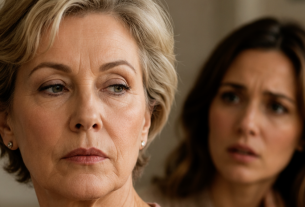
“I work and I have the right to relax! And you sit at home all day,” the husband reproached his wife.
“Mama…” little Varya burst into tears, frightened by her father’s shouting, and reached her tiny arms out to her mother. Elena scooped her daughter up, feeling everything inside her tighten.
The one-and-a-half-year-old girl still did not understand the meaning of her parents’ arguments, but she already felt the tension hanging in the air of their two-room apartment. Elena held her daughter close and closed her eyes. The kitchen had gone quiet—Dmitry had stormed off to the bedroom after yet another scandal over buying some cottage cheese for the child. Not imported, just the most ordinary kind. But even that had become a повод for reproach.
Elena sat down on a stool, settling Varya on her lap. The girl fiddled with the button on her mother’s blouse—the very same blouse that had caused an argument a week earlier. Five hundred rubles. Just five hundred rubles for the only new thing she had bought in the last six months.
It had all started so gradually that she barely noticed. The first months after Varya was born were hard, but happy. Back then Dmitry still helped—he got up at night, warmed bottles, even changed diapers without complaint. Elena was recovering from a difficult delivery, and he patiently fussed over the baby, humming songs to her in his low voice.
But when Varya turned three months old, something broke. The first warning sign came when Elena called a taxi to take the baby to the clinic. The girl had a fever and needed to see a doctor urgently. The bus only came once an hour, and even then it was packed. There was no way to squeeze in with a stroller.
“Two hundred and fifty rubles for a taxi?” Dmitry threw the receipt onto the table. “What, your legs fell off?”
“Dima, Varya was sick. Everyone on the bus is coughing and sneezing. She already had a fever.”
“You’re exaggerating, as always. We somehow grew up without taxis.”
Elena said nothing then. She decided her husband was simply tired from work—he had recently moved to a new company where they paid more, but demanded more too.
By autumn, the nitpicking had become daily. Dmitry started a special notebook where Elena had to write down every purchase. Milk—seventy rubles. Bread—thirty-five. Diapers—eight hundred. Every number was met with a disapproving click of his tongue.
“Why are the diapers so expensive? You could find cheaper ones.”
“Dima, the cheap ones irritate Varya’s skin. We tried them, remember?”
“It’s no big deal, she’ll put up with it. You just don’t want to save money.”
Elena looked at her husband and no longer recognized him. Where had the caring man gone, the one who carried her in his arms after their wedding three years ago? The one who swore he would protect and take care of her?
One day she decided to try an experiment. For an entire week she bought only the cheapest things. Discount pasta, milk close to its expiration date, marked-down vegetables. On Friday Dmitry opened the refrigerator and grimaced.
“What kind of garbage did you buy? This is impossible to eat!”
“You told me to save money. I’m saving money.”
“Don’t twist my words. You could at least find a middle ground.”
But there was no middle ground. Any expense made him unhappy.
That winter was especially hard. Varya had started walking and needed constant attention. Elena could not keep up with anything—not cleaning properly, not cooking anything more complicated than pasta with sausages. Dmitry was unhappy about that too.
“You sit at home all day and there’s still no order here!” he shouted, waving his arms. “I come home tired from work, and this place is a mess and there’s nothing to eat!”
“Dima, let’s switch places. You stay with Varya, and I’ll go back to work. I have a degree in economics, I’ll find something.”
“Are you out of your mind? I’m a man! It’s not my job to sit with a child and wipe noses!”
Elena bit her lip. She wanted to remind him how he himself used to say that children were a shared responsibility. But she stayed silent. She had learned to stay silent.
In February, there was the strawberry incident. Elena saw the first strawberries at the market—expensive, imported, but so fragrant. She bought one hundred grams to add to Varya’s yogurt. The little girl loved berries.
Dmitry put on a real performance.
“Strawberries in winter?! Have you lost it completely? Two hundred rubles for one hundred grams?”
“Dima, it’s for the child. She was so happy…”
“Happy! So I’m supposed to break my back at work so you two can sit here stuffing yourselves with strawberries?”
That evening Elena cried in front of her daughter for the first time. Varya stroked her cheek with her little hand and murmured, “Mama, no cry!”—she still could not pronounce it properly.
“Mom…” little Varya burst into tears, frightened by her father’s shouting, and reached her tiny arms out to her mother. Elena scooped her daughter up, feeling everything inside her tighten.
The one-and-a-half-year-old girl did not yet understand the meaning of her parents’ arguments, but she could already sense the tension hanging in the air of their two-room apartment. Elena held her daughter close and closed her eyes. The kitchen had fallen silent—Dmitry had gone into the bedroom after yet another scandal over the purchase of some baby curd cheese. Not imported, just the most ordinary kind. But even that had become a повод for reproach.
Elena sat down on a stool, settling Varya on her lap. The little girl was fiddling with a button on her mother’s cardigan—the very same cardigan that had caused a scandal a week earlier. Five hundred rubles. Just five hundred rubles for the only new thing Elena had bought for herself in the last six months.
It had all started so quietly. The first months after Varya’s birth had been difficult, but happy. Back then Dmitry still helped—he got up at night, warmed bottles, even changed diapers without complaint. Elena was recovering from a difficult delivery, and he patiently fussed over the baby, humming songs to her in his low voice.
But when Varya turned three months old, something broke. The first warning sign came when Elena called a taxi to take the baby to the clinic. The girl had a fever and needed to see a doctor urgently. The bus only came once an hour, and even then it was always packed. There was no way to squeeze on with a stroller.
“Two hundred and fifty rubles for a taxi?” Dmitry threw the receipt onto the table. “What, did your legs fall off?”
“Dima, Varya was sick. Everyone on the bus is coughing and sneezing. She already had a fever.”
“You always exaggerate. We somehow grew up just fine without taxis.”
Elena had kept silent then. She decided her husband was simply tired from work—he had recently changed to a new company where the pay was higher, but so were the demands.
By autumn, the criticism had become daily. Dmitry started a special notebook where Elena had to record every purchase. Milk—seventy rubles. Bread—thirty-five. Diapers—eight hundred. Every figure was met with an unhappy click of his tongue.
“Why are the diapers so expensive? You could find cheaper ones.”
“Dima, the cheap ones irritate Varya’s skin. We tried them, remember?”
“It’s nothing serious, she’ll put up with it. You just don’t want to save money.”
Elena looked at her husband and no longer recognized him. Where had the caring man gone, the one who had carried her in his arms after their wedding three years ago? The one who had sworn he would protect and take care of her?
One day she decided to try an experiment. For a whole week, she bought only the cheapest things. Discount pasta, milk close to its expiration date, marked-down vegetables. On Friday, Dmitry opened the fridge and grimaced.
“What is this garbage you bought? This is impossible to eat!”
“You told me to save money. So I’m saving money.”
“Don’t twist my words. There has to be a middle ground.”
But there was no middle ground. Any expense triggered his disapproval.
That winter was especially hard. Varya had started walking and demanded constant attention. Elena could barely keep up with anything—she had no time to clean properly or cook anything more complicated than pasta with sausages. Dmitry was unhappy about that too.
“You sit at home all day, and still there’s no order in this place!” he shouted, waving his arms. “I come home tired from work, and there’s a mess and nothing to eat!”
“Dima, let’s switch places. You stay with Varya, and I’ll go back to work. I have a degree in economics, I’ll find a job.”
“Are you out of your mind? I’m a man! It’s not my job to sit with a child and wipe her nose!”
Elena bit her lip. She wanted to remind him how he himself used to say that children were a shared responsibility. But she stayed silent. She had learned to stay silent.
In February, there was the strawberry incident. Elena saw the first strawberries of the season at the market—expensive, imported, but so fragrant. She bought a hundred grams to add to Varya’s yogurt. The little girl adored berries.
Dmitry put on a real performance.
“Strawberries in winter?! Have you lost your mind? Two hundred rubles for a hundred grams!”
“Dima, it was for the child. She was so happy…”
“Happy! So I’m supposed to break my back at work so you two can sit here stuffing yourselves with strawberries?”
That evening, Elena cried in front of her daughter for the first time. Varya stroked her cheek with her tiny palm and said, “Mama, no cwy!”—she still couldn’t pronounce “don’t cry” properly.
In spring, the child benefits ended. Now every ruble had to be begged for. Dmitry handed over money as though he were doing her a favor. He demanded receipts and studied them with the scrutiny of an investigator.
“Why are the apples ninety rubles? I saw some for seventy.”
“Those were bruised. Varya needs good ones.”
“You’re spoiling her. We ate wormy ones as kids and survived.”
Meanwhile, every Friday Dmitry bought himself beer. Not one bottle—a whole crate. Plus chips, crackers, smoked fish. He spent three or four thousand rubles on it. One day, Elena tried to hint at that contradiction.
“Don’t compare!” her husband exploded. “I work like a slave! I have the right to relax! And you sit at home all day!”
All day at home. Elena looked at her hands—cracked from constant washing and laundry. At the old robe she had been wearing for a third year. At Varya, who at that very moment was smearing porridge all over her highchair tray.
“I’m raising our child,” she said quietly.
“So what? Is that so hard? Millions of women manage and don’t whine about it!”
Summer brought a temporary calm. Dmitry got a bonus and relaxed a little. He even suggested they go to his parents’ dacha. Elena was happy—maybe out in nature her husband would calm down, get a rest from the stress of city life.
But even at the dacha, the reproaches continued. They had brought too much food. Why had they bought Varya a new swimsuit when last year’s was still fine? Why was the sunscreen so expensive?
Her mother-in-law, Galina Petrovna, watched it all with an unreadable expression. On the third day, she pulled Elena aside.
“Don’t pay attention. Dima takes after his father. He counted every kopek too. Just endure it, dear. Men are like that.”
“And how did you endure it?”
Galina Petrovna gave a sad smile. “In different ways. I kept secret stashes. Sometimes I lied about prices. Not very nice, of course, but otherwise there was no way.”
Elena looked at her mother-in-law with new eyes. A gray-haired, weary woman who had spent her whole life with a tyrannical husband. And now she was giving the same advice to her daughter-in-law.
“I don’t want to live like that,” Elena whispered.
“And where will you go with a child? Endure it. Endure it for Varyusha’s sake.”
Autumn came with new bills. Heating, electricity, preschool looming ahead. Dmitry grew darker by the day. Elena tried to save on herself—she bought no cosmetics, wore out her old clothes, cut her own hair in front of the mirror.
In October, Varya got sick. An ordinary cold turned into bronchitis. They needed expensive medicine, an inhaler, special food. Dmitry gave her the money, but with the air of a man granting a favor.
“Because of your antibiotics, I’ll be sitting without my bonus for a whole month now!”
Elena couldn’t take it anymore.
“Your daughter is sick! Yours! Or did you forget that?”
“Don’t shout at me! I’m already doing everything I can! All you know how to do is spend money!”
That evening, Elena made a decision. She began secretly putting money aside—fifty rubles here, a hundred there from the change. She hid it in an old recipe book Dmitry never opened. She searched job listings online while her husband was at work.
In November, she found part-time work—remote copywriting. The pay was small, but it was her money. Her first money of her own in two years. She worked at night, while Varya and Dmitry were asleep.
Her husband noticed nothing. By then, he no longer noticed anything except expenses and bills. Elena looked at him over dinner—hunched over his phone, chewing pasta with sausages—and understood that the love was gone. All that remained was exhaustion and disappointment.
In December, she submitted documents for daycare. Varya got on the waiting list, and they promised a place by spring. At the same time, Elena searched for a full-time job. She found one—in a small firm, as a bookkeeper. The salary was modest, but steady.
When she told Dmitry, he was taken aback at first.
“You’re serious?”
“Absolutely. Varya will go to daycare, and I’ll go to work. I’m going to earn my own money.”
“And then what?”
Elena looked him in the eyes.
“And then we’ll see. Maybe you’ll stop counting every kopek I spend. Maybe you’ll remember that we’re a family, not a boss and his subordinate. Or maybe…” She fell silent.
“Maybe what?”
“Maybe we’ll get divorced. Because I don’t want to live anymore with a man who sees me as nothing but an expense item.”
Dmitry said nothing. For the first time in many months, he had no words. Elena rose from the table and went to Varya. The girl was sleeping in her little bed, one tiny palm tucked under her cheek. So small. So defenseless.
“For your sake, I have to be strong,” Elena thought. “You must not grow up believing that a woman is a second-class person. That it is normal to humiliate yourself for a piece of bread. That love is measured in rubles.”
She heard footsteps behind her. Dmitry was standing in the doorway of the nursery.
“Lena, let’s talk.”
“Let’s. Just not here. Don’t wake the child.”
They went into the kitchen. Sat opposite each other. Like strangers.
“I never wanted it to turn out like this,” Dmitry began. “It’s just… things got hard. Responsibility, never enough money.”
“There is enough money, Dima. There’s enough for your beer. But not for my curd cheese.”
He grimaced.
“Don’t twist things.”
“I’m just saying it like it is. You chose this role yourself—the sole breadwinner who gets to decide everything. But you know what? I don’t want to keep playing the beggar who has to account for every tomato she buys.”
The conversation lasted until morning. They did not shout—they were too tired of shouting. They spoke quietly, calmly, like people who had already decided everything for themselves. By dawn, they reached a temporary truce. Elena would go back to work, and Dmitry would stop controlling every expense. They would try to start over.
But Elena knew there would be no starting over. Something had broken for good. Like those strawberries she had bought that time—beautiful on the outside, but tasteless inside. The form remained, but the substance was gone.