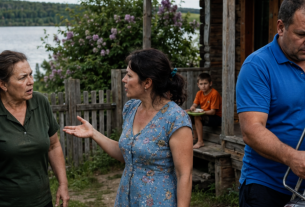
“I’m not obligated to support your family! If you want to help them, do it without involving me!” his wife snapped.
When Anna married Anton, she knew about his children. It wasn’t a surprise or something she had been forced to accept after the fact—he had told her about them as soon as they started dating. Kirill was twelve, and Yana was nine. They lived with their mother, Marina, and saw their father on weekends and during school holidays. Anton paid child support and also covered additional expenses—extracurricular activities, school supplies, and anything else they needed.
Anna took it calmly. Not because she was obligated to, but because she didn’t see it as a problem. An adult with children from a previous relationship was hardly unusual. She loved Anton and accepted him for who he was. His children were part of his life, which meant they were part of hers as well.
Anton earned good money. He managed a small construction division and had a stable, respectable salary. Anna worked at an advertising agency and was also financially comfortable. They maintained a joint household budget: the mortgage, utilities, and groceries were all split equally. Anton paid child support from his own money and covered the children’s additional expenses himself. Anna was perfectly happy with this arrangement.
Kirill and Yana came over on Fridays. Anna would cook something for everyone. She never deliberately left the house or pretended the children weren’t there. They were polite, well-behaved, and became comfortable around her fairly quickly. Sometimes she helped Yana with her homework. Sometimes Kirill asked her to watch something on television with him, and the three of them would sit together on the sofa while Anton busied himself in the kitchen.
Marina was civil. She and Anna hardly ever crossed paths because Anton picked up and dropped off the children himself. They encountered each other once outside the apartment building and exchanged greetings. Marina was calm and showed no open hostility. Anna appreciated that.
For the first year and a half, their financial arrangement worked well. Anton paid child support himself and covered the children’s extra expenses from his personal funds. Anna didn’t interfere, keep tabs on him, or count money that wasn’t hers. If Kirill needed new sneakers or Yana needed a bag for swimming lessons, Anton handled it himself. Life went on normally.
The first time Anton asked to use money from their joint account for the children was in September of their second year of marriage.
“My salary has been delayed,” he explained. “Marina is asking me to bring groceries for Kirill and Yana. I’ll put the money back at the end of the month.”
“How much?” Anna asked.
“About five or six thousand.”
She agreed. Salary delays happened. Helping out once wasn’t a problem. He returned the money just as he had promised, and Anna didn’t give it another thought.
The next request came in October.
This time, his salary hadn’t been delayed—he simply didn’t have enough money. Anton explained that the children needed winter jackets and that he had faced some unexpected work-related expenses that month. He would take the money from their joint account and repay it later.
Anna thought about it and agreed.
He didn’t repay it. It wasn’t that he deliberately forgot—the subject simply never came up again. The following month brought new expenses and other concerns. Anna reminded him once. Anton nodded and said, “Yes, yes,” but the money was never returned.
She didn’t want to turn it into an argument. The children needed winter jackets.
So she let it go.
In October, it happened again. This time, Anton explained that it was Yana’s birthday and he wanted to buy her a nicer present. If he took the money from their joint account, he promised to return it.
Anna agreed.
He didn’t return that money either.
In November, Anton announced that he and Marina had agreed to split the cost of braces for Kirill.
“I agreed to cover half,” he told Anna.
He didn’t ask her. He simply informed her.
“How much is it?”
“Twenty-five thousand. Can we take it from the joint account?”
Anna felt something she couldn’t immediately put into words. Then she understood: it wasn’t really a question. It was a notification. Anton had already made the promise and reached an agreement. Her opinion was needed only so she could give her approval.
“Anton, have you already promised her the money?”
“Well, yes. Kirill needs the braces. You understand that, don’t you?”
“I understand that Kirill needs braces. But you promised to pay without asking me first.”
“Don’t make such a big deal out of it. He isn’t some stranger’s child.”
She gave him the money, but the thought remained with her.
In December, they discussed their plans for the following year. Anna wanted to renovate the kitchen. They had been putting it off for a long time, and the old cabinets were falling apart. They calculated that if they saved a certain amount every month, they would have enough money by spring.
They agreed and began putting money aside…
The rest of the story is just below, in the first comment.
When Anna married Anton, she knew about his children. It wasn’t a surprise or something she had been forced to accept after the fact—he had told her immediately, back when they first started dating. Kirill was twelve, and Yana was nine. They lived with their mother, Marina, and saw their father on weekends and during school holidays. Anton paid child support and covered additional expenses when necessary—extracurricular activities, school supplies, and other things.
Anna took it calmly. Not because she was obligated to, but because she didn’t see it as a problem. An adult having children from a previous relationship was hardly unusual. She loved Anton and accepted him as he was. His children were part of his life, which meant they were part of hers too.
Anton earned good money. He managed a small construction division and had a stable, respectable salary. Anna worked at an advertising agency and also earned a comfortable income. They shared their household expenses: the mortgage, utilities, and groceries were split equally. Anton paid his child support and any additional expenses for the children from his own money. Anna was perfectly satisfied with that arrangement.
Kirill and Yana came over on Fridays. Anna cooked something for everyone, never deliberately left the house, and didn’t pretend the children weren’t there. They were polite and well-behaved, and they got used to her fairly quickly. Sometimes she helped Yana with her homework. Sometimes Kirill asked her to watch something with him on television, and the three of them would sit together on the sofa while Anton busied himself in the kitchen.
Marina was courteous. She and Anna rarely crossed paths because Anton picked up and dropped off the children himself. They ran into each other once outside the apartment building and exchanged greetings. Marina was calm and showed no open hostility. Anna appreciated that.
For the first year and a half, their financial arrangement worked well. Anton paid child support and covered the children’s additional expenses from his own money. Anna didn’t interfere, monitor him, or keep track of what he spent. If Kirill needed sneakers or Yana needed a bag for swimming lessons, Anton handled it himself. Life went on normally.
The first time Anton asked to use money from their joint account for the children was in September of their second year together.
“My salary has been delayed,” he said. “Marina asked me to bring groceries for Kirill and Yana. I’ll put the money back at the end of the month.”
“How much?” Anna asked.
“About five or six thousand.”
She agreed. Salaries were sometimes delayed. Helping once wasn’t a problem. He returned the money as promised, and Anna didn’t give it another thought.
In October, he asked again.
This time, his salary hadn’t been delayed. He simply didn’t have enough money. Anton explained that the children needed winter coats and that he had faced some unexpected work-related expenses that month. He would take the money from their joint account and replace it later.
Anna thought about it and agreed.
He didn’t replace it. It wasn’t that he deliberately forgot; somehow, they simply never returned to the subject. The following month brought new expenses and other concerns. Anna reminded him once. Anton nodded and said, “Yes, of course,” but the money never reappeared.
She didn’t make a scene. The children needed coats. Fine.
In October, it happened again. This time, Anton explained that it was Yana’s birthday and that he wanted to buy her a better present. He would borrow the money from their joint account and return it later. Anna agreed.
He didn’t return that money either.
In November, Anton announced that he and Marina had agreed to split the cost of braces for Kirill.
“I agreed to pay half,” he informed her.
He didn’t ask. He simply informed her.
“How much is it?”
“Twenty-five thousand. Can we take it from the joint account?”
Anna felt something she couldn’t immediately name. Then she understood: it wasn’t really a question. It was a notification. Anton had already promised the money and made the arrangements. He only needed her to approve what he had already decided.
“Anton, have you already promised to pay?”
“Well, yes. Kirill needs the braces. You understand that.”
“I understand that Kirill needs braces. But you promised the money without asking me.”
“Don’t make a big deal out of it. He isn’t some stranger’s child.”
She gave him the money, but the thought remained with her.
In December, they discussed their plans for the following year. Anna wanted to renovate the kitchen. They had been putting it off for a long time, and the old kitchen cabinets were falling apart. They calculated that if they saved a specific amount each month, they would have enough by spring.
They agreed and started saving.
In February, Anton came home and casually mentioned over dinner that he had enrolled Kirill and Yana in a summer camp. It was a good camp with an extensive program, and they would be staying for quite a while. It was expensive.
“Marina agreed, so I decided to do it,” he said. “The children have been asking for a long time.”
“With what money?” Anna asked.
“Well, we can use some of our savings. We’ve been putting money aside.”
“We’ve been saving for the kitchen.”
“The kitchen can wait. The children can’t. Summer is coming.”
Anna put down her fork.
“Anton, we agreed on what that money was for. You didn’t ask me before enrolling the children.”
“I couldn’t ask you first and then tell them. By the time we discussed everything, there might not have been any places left.”
“So you deliberately didn’t ask me?”
“Marina, don’t exaggerate.”
“My name is Anna.”
He either didn’t notice his mistake or pretended not to. Anna stood up from the table and left the kitchen. That conversation ended without a resolution—she said neither yes nor no. Anton apparently took her silence as agreement.
Anna looked at the kitchen cabinets: the peeling corner and the handle on the lower drawer that had been cracked for ages. She and Anton had discussed it back in October. They would endure it until spring, save enough money, and renovate the kitchen properly. Now that money was supposed to pay for summer camp.
She didn’t say anything. She simply remembered.
Anna understood that they needed to talk—not while she was irritated and not immediately after another incident, but calmly and directly.
She chose an evening when they were both home and in no hurry. Anton was eating dinner. She poured herself some tea and sat opposite him.
“I need to tell you something.”
“I’m listening.”
“I’ve noticed that over the past several months, expenses for Kirill and Yana have been charged to our joint account several times. Coats, groceries, and other things. Sometimes you took the money without warning me. Other times, you said you would pay it back, but you didn’t. I didn’t make a scene because every time, I thought these things happened. But when you add everything together, it becomes something different.”
Anton frowned.
“I didn’t take much. I didn’t realize you were keeping count.”
“I’m not keeping count in the sense of monitoring and recording everything. But I notice when something becomes a pattern. This has become a pattern.”
He was silent. Anna gave him time.
“So what do you want?”
“I want us to discuss how our finances should work so that we both understand the rules.”
Then she proposed a clear arrangement.
“I want us to establish some order,” she said. “Your expenses for Kirill and Yana—child support, additional purchases, extracurricular activities, or anything else—come from your part of the budget. Our joint money is for the mortgage, utilities, groceries, and the plans we make together. Nothing else.”
“That sounds harsh,” Anton said.
“It sounds clear. I don’t object to you helping your children. I object to my money being spent on them without my consent.”
“But the money is ours.”
“We agreed that certain expenses would be shared. Your obligations to Marina and the children weren’t included.”
“Do you object to me helping my children at all?” he asked.
It was a genuine question, not a rhetorical one.
“No,” Anna replied. “I don’t object. Only one thing matters to me: your decisions should be paid for with your money, and my decisions with mine. If you want to ask me to help with something, ask me beforehand—not after you’ve already made a promise.”
“I understand.”
Anna believed him.
Three weeks passed.
At the beginning of March, he took money from their joint account again. He later explained that Yana had fallen ill and needed medicine. It had been a Saturday, his banking app had frozen, and the card linked to his personal account had been left at work. There had been circumstances, in other words.
Anna said nothing. Medicine was medicine.
In the middle of March, Anton mentioned that he had promised Marina he would pay for a math tutor for Kirill. The school curriculum was difficult, and the boy was struggling. The tutor would come once a week.
“You’ll pay for it from your own money?” Anna clarified.
“Well, we’ll see. It isn’t expensive.”
“We’ll see” was not the same as “from my own money.”
“Anton, we already discussed this. Your expenses come from your money.”
“Yes, I understand. But it really isn’t expensive—about five thousand a month.”
Anna looked at him seriously.
“All right, all right,” he said, waving his hand to show that he agreed.
But Anna knew that gesture. It wasn’t an agreement. It was merely his way of ending the conversation.
Anna felt tired. She wasn’t angry yet, just tired of everything repeating itself. She would say one thing, he would agree, and then “circumstances” would arise and cancel the entire agreement. She had to remind him over and over about something they had already settled.
She said nothing more that evening. She postponed the conversation, not because she was afraid but because she didn’t want to speak out of exhaustion. She wanted to discuss it calmly and directly, without unnecessary emotion.
But a calm conversation proved impossible.
At the end of March, Anna received a generous quarterly bonus. Her company had completed a major project, and she had played an important role in it. The money arrived in her account on Friday, and she told Anton that evening.
“How much?” he asked.
She told him.
“Listen,” he said after a pause. “Maybe we could put it toward the summer camp? Most of it still hasn’t been paid.”
Anna looked at him and felt that familiar sensation again. It was the same feeling she had experienced several times before—when he said “maybe,” but really meant “let’s do it,” leaving her to recognize his true meaning and then explain why she didn’t want to agree.
“No,” she said. “I want to pay off part of the loan.”
“Anna, you have to understand. The camp is for the children. Kirill and Yana are looking forward to it.”
“It’s my bonus.”
“But we’re a family. When you have money, you share it. When I have money, I share it.”
“Anton, when you have money, you spend it on your children without asking me. But when I have money, you think it should also be spent on them. That isn’t sharing. It’s something else.”
“You knew I had children. You married me knowing that.”
“I did. And I don’t object to you helping them. I object to my salary and my bonus becoming part of your obligations to Marina without my involvement in the decision.”
“So you resent spending money on my children?”
“I’m not obligated to support your family!” Her voice rose on its own. She hadn’t planned it; too much had simply built up inside her. “If you want to help them, do it without involving me! Use your own money, make your own arrangements, and handle it yourself!”
Anton lost his temper in response.
“You knew about the children! You said yourself that you accepted them! So what now? Were those only words?”
“I accepted the arrangement we agreed upon. Not the one you invented later.”
“I didn’t invent anything! I’m simply asking you to help.”
“You aren’t asking. You’ve already promised Marina. You’ve already enrolled the children. Then you come to me and act as though my contribution should be taken for granted.”
“They’re my children!”
“I know. But that doesn’t make my money yours.”
He accused her of dividing the children into “hers” and “someone else’s.” He said he had thought she was different and that decent people didn’t behave this way.
Anna listened. Then she responded calmly—truly calmly now, although the words were difficult to say.
“I have never asked you to reduce your child support. I have never said the children shouldn’t come here. I have never interfered with you seeing them, visiting them, or buying them what they need. I have done everything I could. But you treated my money as though it belonged to you. You promised Marina things that I was expected to pay for without even knowing about them. This isn’t about the children. It’s about you making decisions for me.”
Anton fell silent.
“I’m not dividing the children,” she continued. “I’m separating our household budget from your obligations. Those are two different things.”
He went into another room. Their conversation was over for the evening.
The next day, Anna transferred her bonus into a separate personal account that belonged only to her. Then she waited.
Anton came home that evening, ate dinner, and sat in silence longer than usual. Eventually, he sat beside her on the sofa.
“I’ve been thinking about what you said.”
“And?”
“You’re right that I didn’t ask you.” He said it reluctantly, but he said it. “I was used to thinking that because we were together, all our money was shared. I didn’t realize it looked as though I was… deciding how to spend yours.”
“That’s exactly how it looked.”
“But the children… It’s important to me to help them.”
“I know. I’m not asking you to abandon your children. I’m asking you to spend my money only with my permission.”
Anton nodded and remained silent for a while.
“Are you angry with me?”
“I’m tired of having the same conversation repeatedly,” Anna said. “That isn’t the same thing as being angry.”
“All right.” He paused. “What exactly are we going to do, then?”
“Here is exactly how it will work. The mortgage, utilities, and groceries are shared expenses. If we save for something together, that money is also shared—but only for the purpose we agreed on. Everything else comes from our individual accounts. If you want to help the children, you use your money. If you want to ask me to contribute to something additional, you ask beforehand, and I say yes or no—not after you’ve already made a promise.”
“And what if I don’t have enough for the summer camp?”
“Then you take on some extra work, arrange an installment plan, or discuss it with Marina. Those are your decisions.”
He fell silent again.
“That’s harsh.”
“It’s honest,” Anna said. “Those are two different things.”
Anton remained tense for several days. He barely spoke, ate dinner in silence, and went to bed early. Anna gave him time—not because she was afraid, but because she understood that he needed to adjust. He wasn’t a bad person. He had simply become accustomed to blurred boundaries and hadn’t noticed when he crossed hers.
He paid for the summer camp himself. He took on extra shifts and came home late several times, tired, briefly saying it was because of work and never complaining. He arranged to pay the camp fees in two installments. He didn’t say a word to Anna about it. He simply handled it. That was his way of showing her that he understood.
Anna found out by accident when Kirill mentioned during dinner, “Dad said everything has already been paid.”
Anna didn’t say anything, but she remembered it. This time was different—not because he had asked for help and been refused, but because he had found a solution himself, without relying on her. That was how it should have been from the beginning.
Anna used her bonus to pay down the loan, just as she had planned. The amount she owed decreased significantly. It felt good.
In May, they finally renovated the kitchen. They saved the money themselves without borrowing anything extra. Anton chose the cabinets with her. They argued about the color of the fronts—he wanted something dark, while she insisted on something light. Eventually, they compromised on a neutral grayish beige. The cabinets were installed over the weekend, and Anton personally attached the handles to every drawer.
When Kirill and Yana came over the following Friday, they immediately noticed the new kitchen.
“Wow!” Kirill exclaimed. “Is everything new?”
“Everything,” Anna confirmed.
“I like it,” Yana said without moving from the chair she had immediately climbed onto. “Can we have pancakes?”
“Yes, we can.”
Their new financial arrangement gradually became established without any grand announcements. Anton stopped using the joint account without warning Anna. Whenever Marina sent another request—about a tutor, sneakers, or something else—he first looked at his own budget and thought about it. Sometimes he found the money himself. Sometimes he told Marina he couldn’t afford it that time.
Once, he asked Anna cautiously, explaining everything beforehand. Yana wanted to attend art school, and there was an enrollment fee. He was slightly short of the required amount. Could he borrow the difference from her?
“How much?” Anna asked.
“Three thousand.”
“Take it. Pay me back when you can.”
He returned it when he received his next salary. Nothing more needed to be said.
Several months passed. One evening, Anton casually asked—not during an argument, but simply while they were sitting in the kitchen:
“Do you regret how everything turned out? I mean, with the money and the rules?”
“No,” Anna said. “I feel calmer now.”
“So do I, honestly,” he admitted. “I just didn’t understand it immediately.”
Anna sometimes wondered whether they could have resolved everything earlier, without the argument. Perhaps if she had spoken up the very first time instead of agreeing, the situation wouldn’t have escalated so far. Perhaps. But she had spoken gently, and her gentleness had been mistaken for consent. Sometimes you had to speak directly before people would hear you.
In the end, it was easier than she had expected. She merely had to say aloud what should have been understood from the beginning—and endure the moment when those words caused an argument. She couldn’t run away, soften her position, or promise, “Fine, just this one last time.”
She simply had to stand her ground.
What do you think? Should a wife contribute to expenses for her husband’s children from his first marriage? Share your opinion in the comments—people usually have sharply divided views on this subject. Like this story if it resonated with you, and subscribe to read more.