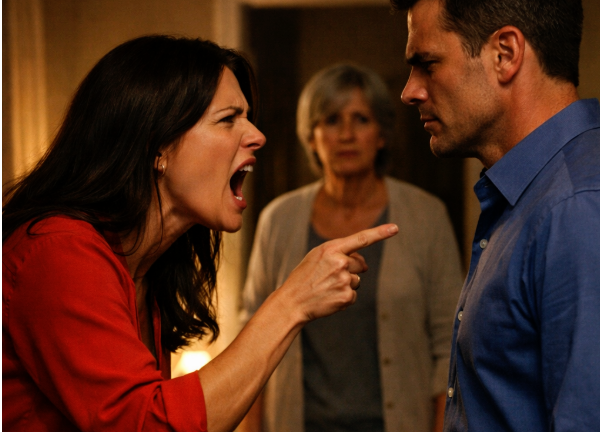
“Do I have to wait on your mother hand and foot and throw my career down the drain just because it’s more ‘convenient’ for you?!”
Vera remembered how, five years earlier, she and Volodya had stood in the rain outside the registry office—both in soaked shoes, both laughing, both convinced that rain on your wedding day was a sign of счастья. The photographer muttered under his breath, and Volodya’s mother held an umbrella over herself, lips pressed tight as she watched the newlyweds laugh instead of taking shelter under the awning. Back then, Vera had thought: it’s fine, we’ll adjust. A mother-in-law is never easy, but they’re all like that.
They had been “adjusting” for five years.
Nina Semyonovna lived in her own apartment on the other side of the city, and that distance was probably the main condition for peace in the family. She called often—almost never Vera, but Volodya every day, sometimes twice a day. Vera had learned to slip into the kitchen whenever her husband picked up the phone and began nodding into empty space: “Yes, Mom. Of course, Mom. I’ll tell her, Mom.” What exactly he was supposed to tell her, Vera would find out later—in the form of careful remarks Volodya delivered in a tone as though he were not speaking for himself, but reading out someone else’s verdict. Soup should be cooked differently. The wallpaper in the living room is too dark. Why spend so much time at work? The house won’t clean itself.
Vera worked as a marketer at an advertising agency. She had started as an assistant, when the ink on her diploma had barely dried, and in five years had worked her way up to department head. Those were five years of early mornings, late returns home, courses she took at night, failed campaigns from which she somehow managed to salvage something useful, and successful ones she was quietly proud of. She knew the value of every position she had held. She knew how many nerves every line on her résumé had cost her.
Volodya sold things—first software, then industrial equipment. He had a particular gift: he could convince a person to buy something they hadn’t even known they needed an hour earlier. Sometimes he used that same gift at home, and Vera had long since learned to recognize it. When Volodya began speaking gently, carefully, with pauses—it meant he was selling something. To himself, to her, or to circumstances.
In October, Nina Semyonovna was admitted to the hospital. A heart attack—a short word, but it falls heavily. Vera found out from a call from her husband right in the middle of a meeting. She stepped out into the hallway and stood by the window, listening to Volodya’s unsteady voice, thinking that no matter how she felt about her mother-in-law, she was still a living person. Volodya’s mother, whom she loved—or at least tried honestly to love.
The surgery went well. The surgeon came out to both of them—Vera had come straight from the office, still in her business blazer—and said that the worst was over, but recovery would take time and care. Nina Semyonovna, pale and somehow diminished, lay in the hospital room with an IV in her arm and looked at Vera with a gaze in which she could read neither gratitude nor reproach—only exhaustion. Vera took her hand. It was cold and dry.
“Everything will be fine, Nina Semyonovna,” she said.
Her mother-in-law closed her eyes.
The idea of moving in seemed to arise by itself—or at least that was how it seemed to Vera at first. First Volodya said, “She can’t be alone, the doctors said so.” Then: “Her apartment is too far away; we won’t make it in time if something happens.” Then: “She wants to be closer herself.” Each conversation was a separate pebble, and Vera did not immediately notice that together those pebbles were forming a foundation.
Nina Semyonovna moved in in November.
For the first week, Vera told herself: this is temporary. Her mother-in-law was still weak, she needed help, that was normal. Vera got up earlier to make breakfast for three, came home at lunchtime—the office was close by—and in the evenings cooked, cleaned, and looked after her mother-in-law. Nina Semyonovna accepted it all in silence, but in a way that made her silence feel nothing like gratitude. More like certainty that this was only proper.
In the second week, the remarks began. Not malicious ones—Nina Semyonovna was not the sort to make scenes. Her weapon was a different kind of tone: polite, faintly surprised, as though she were simply noting facts.
“Vera, you’re late again. Dinner is completely cold.”
“Vera, I can’t eat this grain, it upsets my stomach. You know that.”
“Vera, why did you open the window? I’m cold.”
Vera closed the window. Changed the grain. Apologized for being late. She came into the bedroom where Volodya was, lay down beside him, and stared at the ceiling while he scrolled on his phone.
“She’s just adjusting,” Volodya would say without looking up from the screen.
“So am I,” Vera replied.
It was Vera herself who brought up the subject of a caregiver—on a Sunday morning, while Nina Semyonovna was still asleep and they had half an hour of quiet. She said it carefully, like someone who knows she is stepping onto thin ice: a good caregiver, experienced, Nina Semyonovna would not be alone, and they would be able to work in peace.
Volodya set his cup down on the table.
“You know how she feels about that. She can’t stand strangers in the house.”
“Then she needs to learn to stand it,” Vera said, surprised herself by the firmness in her voice.
“Vera.”
“What do you mean, ‘Vera’? I can’t leave in the middle of the day to check whether she’s eaten. I have meetings, I have deadlines, I have—”
“I understand.”
“No, Vova. You don’t.”
He did understand—she could tell by the way he looked at her. But understanding something and being willing to do something about it are two different things.
The serious conversation happened on Wednesday.
Vera got home at half past eight—the client had dragged the presentation out, then there was discussion, then traffic. In the hallway she took off her boots and smelled something scorched—it turned out Nina Semyonovna had tried to heat up the soup herself, and something had gone wrong. Nothing terrible had happened: a pot, a burnt bottom, the windows thrown open. But her mother-in-law was sitting in the kitchen with the look of someone who had been wronged, and when Vera began cleaning up, she said:
“If you had been home, this wouldn’t have happened.”
Vera washed the pot. Closed the windows. Poured herself a glass of water and drank it standing up, staring at the wall.
Then Volodya came home. They went into the bedroom. Vera sat on the edge of the bed, Volodya opposite her in a chair, and she immediately felt it: he had prepared something. He had thought this conversation through. Rehearsed it.
“Listen,” he began in that very tone—gentle, deliberate, with pauses—“I’ve been thinking about this. Mom is going to need help for a long time. You heard what the doctors said—at least six months of a light regimen. She won’t accept a caregiver, you know that yourself. And I thought… maybe it would make sense for you, for a while…”
“For me to do what?” Vera asked… Continuation just below in the first comment.
Vera remembered how five years earlier she and Volodya had stood in the rain outside the registry office—both in soaked shoes, both laughing, both convinced that rain on your wedding day was a sign of good luck. The photographer muttered under his breath, while Volodya’s mother held an umbrella over herself and pressed her lips together, watching the newlyweds laugh instead of taking shelter under the awning. Back then, Vera had thought: it’s fine, we’ll adjust. Her mother-in-law is a difficult woman, but aren’t all mothers-in-law like that?
They had been “adjusting” for five years.
Nina Semyonovna lived in her own apartment on the other side of the city, and that distance was probably the main condition for peace in the family. She called often—almost never Vera, but Volodya every day, sometimes twice. Vera had learned to step into the kitchen whenever her husband picked up the phone and began nodding into empty space: “Yes, Mom. Of course, Mom. I’ll tell her, Mom.” What exactly he was supposed to tell her, Vera would find out later in the form of cautious remarks that Volodya delivered in a tone suggesting he was not speaking for himself, but reading out someone else’s verdict. Soup should be cooked differently. The wallpaper in the living room was too dark. Why spend so much time at work when the house wouldn’t clean itself?
Vera worked as a marketer at an advertising agency. She had started as an assistant when the ink on her diploma was barely dry, and in five years had worked her way up to department head. Those five years had meant early mornings, late returns home, courses she took at night, failed campaigns from which she still managed to salvage something useful, and successful ones she was quietly proud of. She knew the price of every position she had earned. She knew how many nerves had gone into every line on her résumé.
Volodya sold things—first software, then industrial equipment. He had a special gift: he could convince people to buy something they had not even known they needed an hour earlier. Sometimes he used that same talent at home, and Vera had long ago learned to recognize it. When Volodya began speaking softly, carefully, with pauses, it meant he was selling something. To himself, to her, or to the circumstances.
In October, Nina Semyonovna was hospitalized.
A heart attack—a short word, but it lands heavily. Vera learned about it from her husband’s call in the middle of a meeting. She stepped out into the corridor and stood by the window, listening to Volodya’s unsteady voice, thinking that whatever her feelings toward her mother-in-law, she was still a living person. The mother of the man Vera loved—or at least was trying honestly to love. The surgery went well. The surgeon came out to both of them—Vera had driven straight from the office, still in her business blazer—and said the worst was over, but recovery would take time and care. Nina Semyonovna, pale and seeming somehow smaller, lay in the hospital room with an IV in her hand and looked at Vera with a gaze in which Vera could read neither gratitude nor reproach—only exhaustion. Vera took her hand. It was cold and dry.
“Everything will be all right, Nina Semyonovna,” she said.
Her mother-in-law closed her eyes.
The idea of moving in seemed to arise on its own—or at least that was how it seemed to Vera at first. First Volodya said, “She can’t be alone, the doctors said so.” Then: “Her apartment is far away, we won’t make it in time if something happens.” Then: “She herself wants to be closer.” Each conversation was a separate pebble, and Vera did not notice at once that those pebbles were forming a foundation.
Nina Semyonovna moved in in November.
During the first week, Vera told herself it was temporary. Her mother-in-law was still weak, she needed help, that was normal. Vera got up earlier to make breakfast for three, came home at lunch—fortunately the office was nearby—and in the evening cooked, cleaned, and looked after her mother-in-law. Nina Semyonovna accepted it in silence, but in such a way that there was nothing in that silence resembling gratitude. More like a conviction that this was simply how things ought to be.
In the second week, the comments began. Not malicious ones—Nina Semyonovna was not the type to make scenes. Her weapon was a different sort of tone: polite, slightly surprised, as though she were merely observing facts.
“Vera, you’re late again. Dinner has gone completely cold.”
“Vera, I can’t eat this grain, it upsets my stomach. You know that.”
“Vera, why did you open the window? I’m cold.”
Vera closed the window. Changed the grain. Apologized for coming home late. Then she would go into the bedroom where Volodya was, lie down beside him, and stare at the ceiling while he scrolled on his phone.
“She’s just getting used to things,” Volodya would say without looking up from the screen.
“I’m getting used to things too,” Vera would reply.
It was Vera herself who brought up the subject of hiring a caregiver—on a Sunday morning, while Nina Semyonovna was still asleep and they had half an hour of quiet. She said it cautiously, like someone who knows she is stepping onto thin ice: a good caregiver, experienced, Nina Semyonovna would not be alone, and they would both be able to work in peace.
Volodya set his cup down on the table.
“You know how she feels about that. She can’t stand strangers in the house.”
“Then she’ll have to learn to stand it,” Vera said, and was surprised herself by the firmness in her voice.
“Vera.”
“What do you mean, ‘Vera’? I can’t leave work at lunchtime to check whether she’s eaten. I have meetings, deadlines, I have—”
“I understand.”
“No, Vova. You don’t.”
He did understand—she could see it in the way he looked at her. But understanding and being willing to do something about it were two different things.
The serious talk came on Wednesday. Vera got home at half past eight—the client had dragged out the presentation, then there had been discussion afterward, then traffic. In the entryway she took off her boots and smelled something burnt—it turned out Nina Semyonovna had tried to heat the soup herself and something had gone wrong. Nothing terrible had happened: a scorched pot, a burnt bottom, open windows. But her mother-in-law sat in the kitchen with the look of someone who had been wronged, and when Vera began cleaning up, she said:
“If you had been home, this wouldn’t have happened.”
Vera washed the pot. Closed the windows. Poured herself some water and drank it standing up, staring at the wall.
Then Volodya came in.
They went into the bedroom. Vera sat on the edge of the bed, Volodya opposite her in a chair, and she immediately felt it: he had prepared something. He had thought this conversation through. Rehearsed it.
“Listen,” he began in that voice of his—soft, measured, with pauses—“I’ve been thinking about it. Mom is going to need help for a long time. You heard what the doctors said—at least six months of a gentle routine. She won’t accept a caregiver, you know that yourself. And I thought… maybe it would make sense for you to…”
“For me to what?” Vera asked.
“Well, to take a pause. From work.”
The silence in the room became very dense.
“A pause?” she repeated.
“Temporarily. Until Mom gets stronger. You’ll find another job later. Or do freelance work, I don’t know. This way she’ll be looked after, there’ll be less stress, it’ll be easier for everyone.”
She stood up. Walked to the window. Outside, streetlights flashed and cars passed by, and life out there continued with perfect indifference.
“Vera, listen!”
“No, you listen.” She turned around. “You are asking me to quit my job.”
“I’m asking you to take a pause.”
“To quit, Vova. Call it what it is. To quit my job and cross out everything I’ve worked for over the last five years. To give up the department they trusted me with. And what exactly am I supposed to tell my boss? That this is more ‘convenient’ for me?”
“It’s not forever.”
“You don’t know that!” Her voice broke, and she did not bother catching it. “You say ‘six months,’ but you don’t know. She’ll recover and then find another reason why I need to stay home. And you’ll say: just a little longer, just a bit more, it’s more convenient for everyone! Vera, you’re being unfair.”
“I’m being unfair?!” She stepped toward him, and something inside her, held back for a long time, finally broke free. “I’m supposed to wait on your mother hand and foot and throw my career to the dogs just because it’s more ‘convenient’ for you?! That’s what you call fair?”
He was silent. He looked at her, and in his eyes she saw neither anger nor remorse, but something worse: incomprehension. He truly did not understand why she was reacting this way. He saw a problem and a solution. He had calculated the options.
“You earn less than I do,” he said at last, quietly, almost cautiously. “I didn’t want to bring that up, but if we look at it objectively—your salary is lower. So if one of us has to take a pause…”
Vera felt something inside her grow cold and very clear, the way it does when a decision you have been afraid to make suddenly stops feeling frightening.
“So that’s how you see it,” she said.
“I’m just saying.”
“No. What you just said is that my job is worth less, and therefore I am worth less. That my career, my department, my clients—those are the things that can be sacrificed because the math works out. I understand you now.”
“Vera, don’t do this.”
“I’m leaving, Vova.”
He did not understand at once. He asked again—where, now, in the middle of the night? She did not answer. She took a bag from the wardrobe—the one they had used on their honeymoon—and began packing without haste, methodically, like someone carrying out a plan long since made.
She called her friend from the taxi. Marina said, “I’ll put the kettle on,” and asked not a single unnecessary question, for which Vera mentally bowed to her.
The night city drifted past the taxi window—streetlights, shop windows, wet asphalt, a November sky without stars. Vera looked at it all and thought not about Volodya, not about her mother-in-law, not about what was broken or what was lost. She thought about the negotiations she had tomorrow with a new client—a major chain, a good budget, an interesting challenge. She thought about the presentation she had finished late the night before, while everyone else slept. She thought about what it felt like to wake up in the morning and know that the day ahead belonged to you.
She thought about children—children she did not yet have, but very much wanted. And she knew, with the strange clarity that sometimes comes at the worst possible moments: she wanted to come to them as a fulfilled person. Not as a woman who had sacrificed herself and now carried that sacrifice like a reproach. Not as a woman dependent on other people’s decisions about how much she was worth. She wanted to come to them as herself.
The taxi stopped outside Marina’s building.
Vera paid, got out, and stood for a second under the cold November sky with her bag in her hand.
There was no rain.
Then she pressed the intercom button and waited.
A month later, she rented her own apartment. It was small, on the top floor, with a view of the park. She bought herself a desk—good, sturdy, made of light wood—and placed it by the window. In the mornings she sat there with coffee, looking out at the park where the bare trees stood rimed with frost, preparing to meet the new day.
The client she had negotiated with that day signed the contract. It became one of the best contracts of her career.
She did not think about whether she had done the right thing. Right or wrong is not the kind of question life answers quickly. She thought about something else: that for the first time in a long while she felt solid ground under her feet. That when she came home, it was her home. That her time belonged to her.
Volodya called several times. At first he was confused, then hurt, and then—in one of their last conversations—he said something like, “I didn’t think you’d take it this way.” She answered calmly, “I know.” It was true. She was not angry. The anger had gone somewhere long ago—back that night in the taxi, dissolving into the November lights beyond the window. What remained was only understanding: they wanted different things. He wanted convenience. She wanted a life.
Those are not always the same thing.
Sometimes late in the evening, when the work was done and her apartment grew quiet, Vera thought about her future children. She imagined them vaguely, without faces, but with a feeling of warmth. She wanted many things for them—but above all one thing: that they would grow up beside a mother who knew her own worth.
Outside the window, it was gradually getting light.
Vera finished her coffee, opened her laptop, and began her new day.