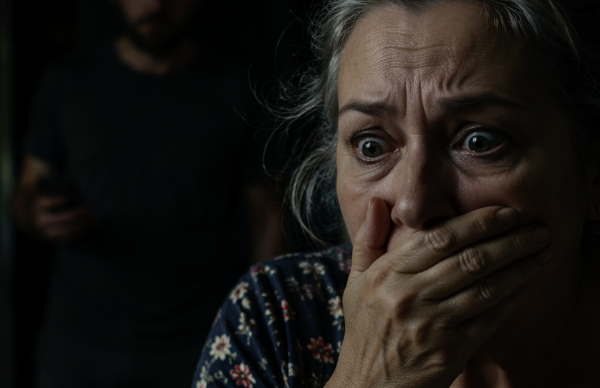
“My son, she’s poisoning me,” my mother-in-law lied. Then my husband turned on the hidden camera recording, and she went pale — but that was only the beginning.
Elena Sergeyevna pushed the deep bowl away from her as if it contained not homemade soup, but a chunk of tar.
She folded her arms across her chest and stared out the window, where the gray September rain was methodically drumming against the windowsill.
Katya felt that familiar sensation begin to boil inside her — the one that usually comes right before a major natural disaster.
“Katya, you know perfectly well about my pancreas,” her mother-in-law said in an unnaturally meek voice.
“Elena Sergeyevna, it’s vegetable broth without a drop of fat. I made it separately just for you,” Katya replied, trying not to raise her voice.
Oleg, sitting between them, chewed his bread nervously, shifting his eyes from his wife to his mother as if he were watching a dangerous chemistry experiment.
His mother let out a heavy sigh, and the sound filled the whole kitchen, driving out the last traces of the morning’s coziness.
She had moved in with the Solovyovs a week earlier under the pretext of having major repairs done in her one-room apartment, but she had brought so many belongings it looked as if she planned to wait out an ice age there.
By the second day, Katya’s lovingly arranged minimalist kitchen had already sprouted strange jars filled with suspicious roots and crocheted doilies.
“Olezha, just look at this color. Can a normal soup really be this transparent?” Elena Sergeyevna asked her son.
Oleg peered into the bowl, scratched the back of his head, and muttered something vague about the benefits of diet food.
Manipulation always starts with small things — with a barely noticeable distortion of reality that you begin to believe against your will.
Three days later, Elena Sergeyevna moved on to active measures, beginning to find “strange aftertastes” in the food.
She could spend half an hour holding a glass of water up to the light, squinting at it, then theatrically setting it aside.
“Katya, what was that powder I saw in your cupboard? That white, very fine one?” she asked casually over breakfast.
“It was powdered sugar, Elena Sergeyevna,” Katya answered, continuing to slice cheese without turning around.
“Strange. It seemed to me it smelled medicinal. Right after tea I got a stabbing pain in my side.”
Oleg, who had come into the kitchen to grab his keys, involuntarily slowed his step and listened to the exchange.
His mother had begun behaving like a prisoner in a secret laboratory, expecting treachery from her captors every minute.
She demonstratively washed fruit with laundry soap and locked her room whenever she went out to the store.
The worst part of the situation was not the mother’s behavior, but how quickly Oleg began to catch her suspiciousness.
Katya saw how, one evening, thinking his wife was asleep, he sneaked into the kitchen and began examining the spice labels.
He opened jars, sniffed them, and even tasted ordinary salt as if he were searching for some hidden threat in it.
The next morning Katya could not take it anymore and stopped him in the hallway, looking him straight in the eyes.
“Oleg, do you seriously think I’m putting something into your mother’s food?” Her voice sounded dull and exhausted.
“No, Katya, of course not. It’s just that Mom keeps complaining about a bitter taste in her mouth, so I decided to check. Maybe the food had gone bad.”
He looked away, and Katya understood: the seeds of doubt sown by Elena Sergeyevna had already produced their first poisonous shoots.
Meanwhile, her mother-in-law kept building on her success, beginning to imitate mild dizzy spells whenever the opportunity arose.
She could freeze in the middle of the hallway, lean against the wall, and breathe in short gasps until Oleg ran to her.
“It’s nothing, son, just weakness. I probably ate an extra spoonful of Katya’s stew yesterday,” she would whisper.
“Mom, the stew only had zucchini and carrots in it,” Oleg tried to defend himself, but his words no longer carried their former certainty.
Elena Sergeyevna would only smile sadly, patting his hand like someone consoling a person who had not yet grasped the full scale of the tragedy.
Instilling guilt is the most effective way to destroy a relationship without ever resorting to open conflict.
On the fifth day, Katya realized her life was turning into an endless TV drama about the scheming daughter-in-law.
She caught her mother-in-law in the act of moving Katya’s migraine pills from one package to another.
“Why are you doing that?” Katya entered the kitchen so quietly that Elena Sergeyevna flinched.
“Oh, sweetheart, I just wanted to check the ingredients. Maybe we have similar symptoms,” the older woman improvised quickly.
Her mother-in-law immediately hid her hands behind her back, but Katya managed to notice how her fingers convulsively squeezed some small paper packet.
That evening Oleg came home from work later than usual and sat down in the kitchen without even taking off his jacket.
“Katya, we need to talk. Mom said she saw you pouring something into her kefir today.”
Katya felt everything inside her turn to ice, but outwardly she remained perfectly calm.
“And you believe her?” she asked, slowly setting a mug in front of him, which he did not even touch.
“I don’t know whom to believe. Mom is crying. She says she’s afraid to come into the kitchen when you’re not around.”
Katya realized it was time for a decisive move. Otherwise, this absurdity would consume them both.
“Listen to me carefully. Tomorrow I’m going to my sister’s for the whole day, and you’ll stay here and watch everything yourself.”
“Mom won’t agree if she knows I’m home,” Oleg shook his head.
“Then tell her you’re leaving on a business trip, and hide in the bedroom or stay with Vadim upstairs.”
Katya knew Oleg was friends with the neighbor, and this plan was the only way to settle everything once and for all.
Saturday came — the day of the great performance that was meant to become either the end of their marriage or the end of the manipulation.
Katya demonstratively packed a bag, said goodbye loudly, and left the apartment, slamming the door behind her.
Oleg, following the plan, pretended to leave too, but ten minutes later he returned, opening the door with his key as quietly as possible.
He went into the bedroom and switched on the tablet, which was streaming footage from a tiny camera hidden behind a pot with a ficus.
Katya had bought the camera herself two days earlier and secretly installed it so that Oleg could see reality with his own eyes.
Sometimes the truth requires technical help, because human words lose all value in the face of skillful lies.
For the first half hour, nothing happened on the screen. A suspicious calm reigned in the apartment.
Then the door to Elena Sergeyevna’s room cracked open, and she peeked outside like a scout in enemy territory.
After making sure no one was in the hallway, the mother-in-law strode briskly straight to the kitchen.
Watching from the bedroom, Oleg nearly gave himself away with an involuntary gasp of surprise.
His mother, who had barely been dragging her feet that very morning, was now moving with the grace and speed of a professional athlete.
She opened the refrigerator, took out a pot of buckwheat, and set it on the table.
And then something began that Oleg could not have imagined even in his worst nightmare.
Elena Sergeyevna pulled from the pocket of her robe that same little paper packet Katya had noticed the day before.
She carefully unfolded it and poured a portion of gray powder into the pot, mixing it thoroughly with a spoon…
“Continuation just below in the first comment.”
Elena Sergeyevna pushed the deep bowl away from her with an expression as if it contained not homemade soup, but a chunk of tar.
She folded her arms across her chest and stared out the window, where the gray September rain was methodically beating against the windowsill.
Katya felt that familiar sensation begin to boil inside her, the one that usually comes right before a major natural disaster.
“Katya, you know perfectly well about my pancreas,” her mother-in-law said in an unnaturally meek voice.
“Elena Sergeyevna, it’s vegetable broth without a single drop of fat. I made it separately just for you,” Katya replied, trying not to raise her voice.
Oleg, sitting between them, chewed bread nervously, shifting his eyes from his wife to his mother as if he were watching a dangerous chemistry experiment.
Her mother-in-law let out a heavy sigh, and the sound filled the entire kitchen, pushing out the last remnants of the morning coziness.
She had moved in with the Solovyovs a week earlier under the pretext of a major renovation in her one-room apartment, but she had brought so many belongings that it looked as though she planned to wait out an ice age there.
By the second day, Katya’s kitchen, lovingly arranged in a minimalist style, had already sprouted strange little jars with suspicious roots and crocheted doilies.
“Olezha, just look at this color. Can a normal soup really be this transparent?” Elena Sergeyevna asked her son.
Oleg peered into the bowl, scratched the back of his head, and muttered something vague about the benefits of dietary food.
Manipulation always begins with small things, with a barely noticeable distortion of reality that you begin to believe against your will.
Three days later, Elena Sergeyevna moved on to more active measures, starting to find “strange aftertastes” in the food.
She could spend half an hour holding a glass of water up to the light, squinting at it, and then theatrically setting it aside.
“Katya, what was that powder in your cupboard, the white fine one?” she asked over breakfast as if casually.
“It was powdered sugar, Elena Sergeyevna,” Katya replied, continuing to slice cheese without turning around.
“Strange. It seemed to me it smelled like something medicinal. My side started aching right after tea.”
Oleg, who had come into the kitchen to grab his keys, involuntarily slowed down and listened to the exchange. His mother-in-law had begun acting like a prisoner in a secret laboratory who expected a trick from her captors at any moment.
She demonstratively washed fruit with laundry soap and locked her room whenever she went out to the store.
The most frightening part of the situation was not the mother’s behavior, but how quickly Oleg began to catch her suspiciousness.
Katya saw how, in the evening, thinking his wife was asleep, he crept into the kitchen and started studying the labels on the spices.
He opened jars, sniffed them, and even tasted ordinary salt as though he were looking for a hidden threat in it.
The next morning Katya could not take it anymore and approached him in the hallway, looking him straight in the eye.
“Oleg, do you seriously think I’m putting something in your mother’s food?” Her voice sounded dull and tired.
“No, Katya, of course not. Mom’s just complaining about a bitter taste in her mouth, so I decided to check. Maybe some of the food had gone bad.”
He looked away, and Katya understood: the seeds of doubt sown by Elena Sergeyevna had already produced their first poisonous shoots.
Meanwhile, her mother-in-law built on her success, beginning to imitate mild dizzy spells whenever the opportunity arose.
She could freeze in the middle of the hallway, lean against the wall, and breathe unevenly until Oleg ran to her.
“It’s nothing, sonny, just weakness, I suppose. I must have eaten an extra spoonful of that stew Katya made yesterday,” she would whisper.
“Mom, the stew only had zucchini and carrots in it,” Oleg tried to defend himself, but the old confidence was already gone from his words.
Elena Sergeyevna would only smile sadly, patting his hand as if he were someone who had not yet grasped the scale of the tragedy.
Instilling guilt is the most effective way to destroy relationships without resorting to open conflict.
By the fifth day Katya realized that her life was turning into an endless soap opera about the wicked daughter-in-law.
She caught her mother-in-law transferring Katya’s migraine pills from one package to another.
“Why are you doing that?” Katya entered the kitchen silently, making Elena Sergeyevna flinch.
“Oh, dear, I just wanted to look at the ingredients. Maybe we have similar symptoms,” she improvised quickly.
Her mother-in-law immediately hid her hands behind her back, but Katya had already noticed how her fingers convulsively clenched some kind of paper bundle.
That evening Oleg came home later than usual and sat down in the kitchen without even taking off his jacket.
“Katya, we need to talk. Mom said she saw you pouring something into her kefir today.”
Katya felt everything inside her turn to ice, but outwardly she remained completely calm.
“And you believe her?” she asked, slowly setting a mug in front of him, which he did not even touch.
“I don’t know who to believe. Mom’s crying. She says she’s afraid to go into the kitchen when you’re not around.”
Katya understood that the time had come for a decisive maneuver; otherwise this absurdity would swallow them both whole.
“Listen to me carefully. Tomorrow I’m going to my sister’s for the whole day, and you’ll stay here and watch everything yourself.”
“Mom won’t agree if she knows I’m home,” Oleg shook his head.
“Then tell her you’ve gone on a business trip, and hide in the bedroom or stay with Vadim upstairs.”
Katya knew Oleg was friends with the neighbor, and this plan was the only way to settle everything once and for all.
Saturday came, the day of the great performance that would become either the end of their marriage or the end of the manipulation.
Katya demonstratively packed a bag, said a loud goodbye, and left the apartment, slamming the door behind her.
Oleg, according to the plan, pretended to leave too, but ten minutes later returned, opening the door as quietly as possible with his own key.
He went into the bedroom and turned on the tablet, which was streaming footage from a small camera hidden behind a pot with a ficus plant.
Katya had bought the camera herself two days earlier and secretly installed it so Oleg could see reality with his own eyes.
Sometimes truth requires technical assistance, because a human word loses its value in the face of skillful lies.
For the first half hour nothing happened on the screen; the apartment was filled with suspicious calm.
Then the door of Elena Sergeyevna’s room opened slightly, and she peeked out like a scout in hostile territory.
After making sure no one was in the hallway, her mother-in-law headed briskly straight for the kitchen.
Watching this from the bedroom, Oleg nearly gave himself away with an involuntary exclamation of surprise.
His mother, who that very morning had barely been able to drag her feet, was now moving with the grace and speed of a professional athlete.
She opened the refrigerator, took out the pot of buckwheat, and set it on the table.
Then something began that Oleg could not have imagined even in his worst nightmare.
Elena Sergeyevna pulled that same paper bundle from the pocket of her robe, the one Katya had noticed the day before.
She carefully unwrapped it and poured a portion of gray powder into the pot, stirring it thoroughly with a spoon.
Then she took Katya’s favorite sauce boat from the cupboard and generously added salt from a shaker she had brought with her.
She did all this with a focused face, sometimes pausing to listen to sounds in the stairwell.
There was not the slightest trace of illness or fear in her movements, only a cold, calculated plan to discredit her daughter-in-law.
Once she had finished her “cooking,” Elena Sergeyevna put everything back in place and returned to her room.
Oleg sat on the bed, feeling everything inside him turn over from the sheer injustice of it.
An hour later he heard Katya return home, and the time came for the climax of this drawn-out farce.
“Katya, you’re back already?” his mother-in-law’s voice once again turned weak and quavering. “I decided to eat some buckwheat, but it has such a strange smell.”
Oleg stepped out of the bedroom just as his mother had started her usual tirade about feeling unwell.
“Sonny, I’m so glad you came back early. I feel bad again, my heart is just pounding.”
She clutched her side and began sliding down the doorframe, expecting her son to rush to save her.
Katya stood in the doorway without taking off her coat and simply looked at her husband, waiting for his reaction.
Oleg walked over to the table, picked up the tablet, turned the screen toward his mother, and pressed play.
“Son, she’s poisoning me!” Elena Sergeyevna cried out, not yet understanding that her time was up.
Oleg did not say a word. He simply turned up the brightness of the screen, where his mother was clearly shown enthusiastically “seasoning” the buckwheat with gray powder.
His mother-in-law froze mid-sentence, and all the color instantly drained from her face, turning it into a pale mask.
“It’s… it’s just medicine, Olezha. I wanted you both to get healthier too,” she muttered, trying to get up.
“Mom, yesterday you said you were afraid to eat here, and yet you’re the one sprinkling charcoal and God knows what else into our food.” Oleg’s voice was quiet, but there was steel in it.
He looked at her as if he were seeing a completely unfamiliar person before him, someone bitter, cruel, and infinitely lonely in her malice.
“You were spying on your own mother? You believed that hussy more than your own mother?!” Elena Sergeyevna suddenly transformed.
All her feigned weakness disappeared. She straightened up, and an ugly fire flared in her eyes.
“Yes, I wanted you to come back home, because this is no place for you. She’s ruined you!”
Family ties do not give anyone the right to destroy other people’s lives, even if it is done under the guise of “good intentions.”
Oleg silently took her bag from the cupboard and began stuffing into it those same doilies and jars of roots.
“Your things will be packed in half an hour. I’ll call a taxi to take you home.”
“You wouldn’t dare! I’m your mother! My apartment is under renovation!” she shouted, darting around the kitchen.
“The ceiling was whitewashed three days ago. I called the neighbors,” Oleg replied, methodically continuing to pack up her junk.
Elena Sergeyevna realized her strongest card had been beaten, and she moved on to her last resort: tears.
But those tears no longer had any effect on Oleg; he had developed a strong immunity to her acting.
Katya remained silent the entire time, understanding that the most important conversation of her husband’s life was happening now.
Forty minutes later a taxi was waiting outside, and Oleg personally carried the suitcases downstairs without looking back at his mother’s lamentations.
When the door finally closed behind her, the apartment suddenly became easier to breathe in, as if all the excess carbon dioxide had been pumped out of it.
Oleg returned to the kitchen, sat down on a stool, and buried his face in his hands, trying to comprehend the scale of what had happened.
Katya came up behind him and placed her hands on his shoulders, feeling the tension gradually leave him.
“Forgive me,” he said dully, without lifting his head.
“The important thing is that you saw it all yourself, Oleg. I would never have been able to prove it to you with words.”
She picked up the pot of “enhanced” buckwheat and, without regret, dumped its contents into the trash.
Daily life is not only about clean floors, but also about the purity of the intentions of those who live under one roof.
Katya took fresh vegetables from the refrigerator and began preparing a new dinner, one that really would be peaceful this time.
Oleg stood up, went to the window, and opened the vent, letting the cool evening air into the room.
“You know, tomorrow I’m changing the locks,” he said, looking out at the empty street.
“I think that would be the right decision for our peace of mind,” Katya nodded.
They had dinner together, enjoying the absence of theatrical sighs and suspicious glances cast into their plates.
Epilogue
A month passed, and the Solovyovs’ life had finally settled into a peaceful routine without extra witnesses.
Elena Sergeyevna called her son from time to time, but now her complaints about her health were met only with a polite suggestion to call a medical team.
Oleg learned to distinguish real care from manipulation, and Katya restored her kitchen to its original order.
Sometimes, glancing at the spot where the ficus with the hidden camera had stood, they would exchange looks and smile at each other.
This story became a harsh but necessary lesson for them about how important it is to protect their boundaries.
Because a real home is a place where you can eat an ordinary meatball without fearing that someone has hidden in it a desire to destroy you.
The evening sun touched the edge of the table, illuminating the clean plates and the calm faces of two people who had chosen each other.